




I. Introduction
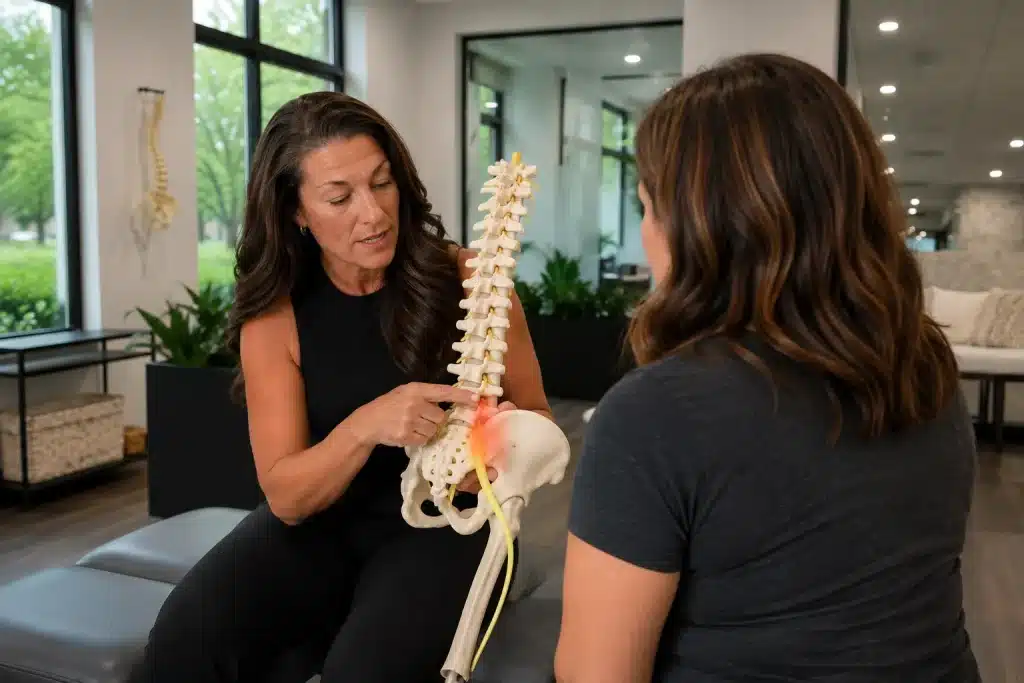
Sciatic pain—commonly called sciatica—is one of the most frequent causes of lower back and leg pain. It typically presents as a sharp, burning, or radiating pain that travels from the lower back down through the hip and leg. One of the most common underlying causes of sciatica is a herniated disc in the spine.
Understanding the relationship between sciatic pain and herniated discs can help you recognize symptoms early and seek appropriate care. In this guide, we’ll explain how sciatica develops, what a herniated disc is, how they are connected, and which treatment options can help you find lasting relief.
II. The Anatomy of Sciatica and Herniated Discs

Understanding the Sciatic Nerve
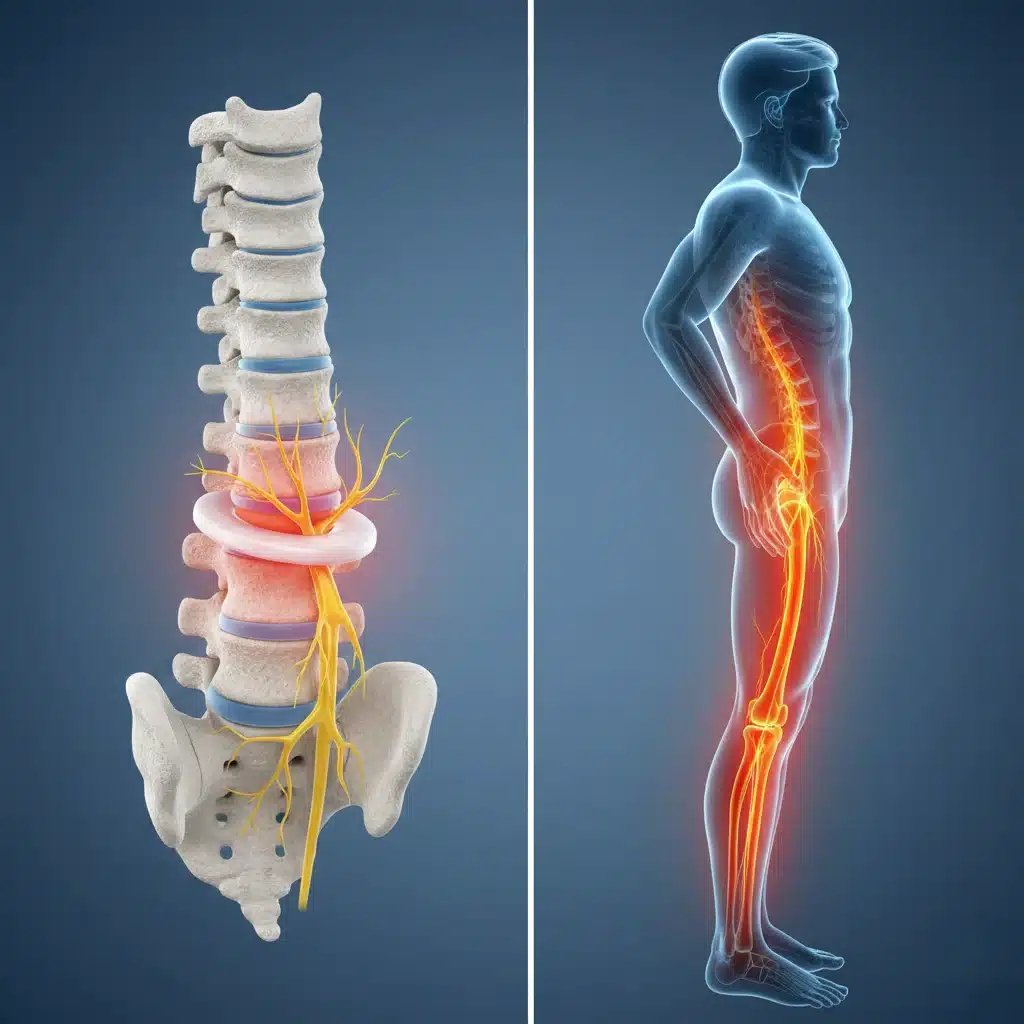
The sciatic nerve is the largest nerve in the human body. It originates in the lower spine (lumbar and sacral nerve roots), passes through the hips and buttocks, and travels down each leg. This nerve is responsible for controlling muscles in the lower leg and providing sensation to the back of the thigh, calf, and foot.
When the sciatic nerve becomes compressed or irritated, it can result in pain, numbness, tingling, or weakness—symptoms collectively referred to as sciatica.
What Is a Herniated Disc?
Between each vertebra in your spine are soft, cushion-like structures called intervertebral discs. These discs act as shock absorbers and allow flexibility in your spine. Each disc has a soft, gel-like center (nucleus pulposus) and a tougher outer layer (annulus fibrosus).
A herniated disc occurs when the inner gel pushes through a tear in the outer layer. This bulging or leaking disc material can press against nearby nerves, causing inflammation and pain.
You can learn more about herniated discs from Johns Hopkins Medicine:
The Link: How a Herniated Disc Causes Sciatica
When a herniated disc occurs in the lower back (lumbar spine), it can compress or irritate the roots of the sciatic nerve. This pressure disrupts normal nerve signaling, resulting in pain that radiates along the nerve’s pathway—down the buttock, leg, and sometimes into the foot.
In simple terms:
Herniated disc → nerve compression → sciatic pain.
III. Recognizing Sciatic Pain
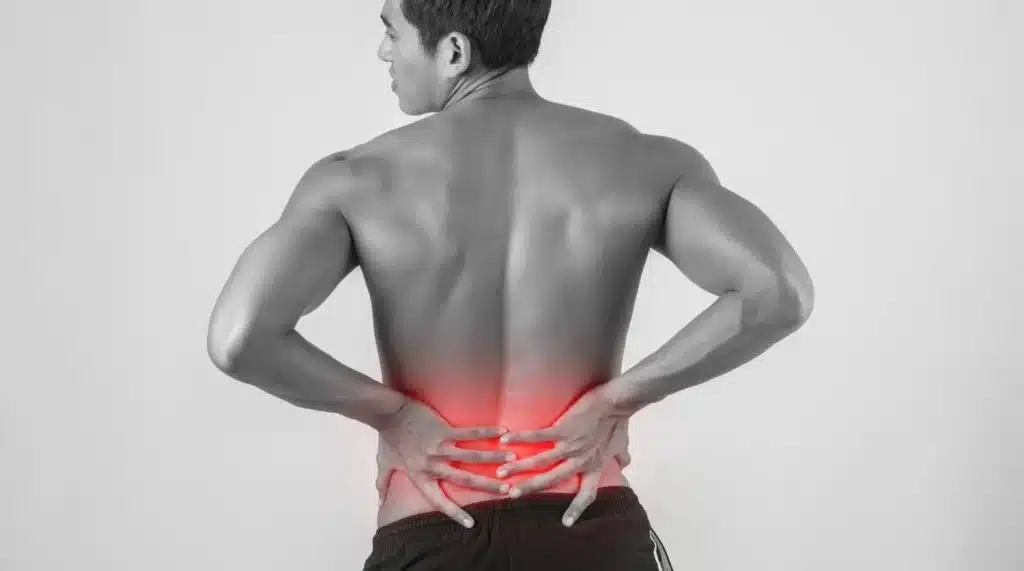
Common Symptoms of Sciatica
Sciatica symptoms vary in intensity and duration, but commonly include:
- Sharp or burning pain radiating from the lower back to the leg
- Numbness or tingling in the buttock, leg, or foot
- Muscle weakness in the affected leg
- Pain that worsens when sitting, bending, or lifting
- Electric-shock-like sensations down one side of the body
If your pain travels below the knee or affects daily activities, it may indicate nerve involvement from a herniated disc rather than simple muscle strain.
IV. Diagnosis and Identification

When to See a Doctor
You should seek medical attention if:
- Pain persists for more than a few weeks
- Symptoms worsen over time
- You experience weakness or loss of coordination
- You have difficulty controlling bowel or bladder function (this is a medical emergency)
Early diagnosis can prevent long-term nerve damage and speed up recovery.
Diagnostic Tools
Healthcare providers may use the following tools to diagnose herniated disc-related sciatica:
- Physical examination to test reflexes, strength, and mobility
- MRI scans to visualize disc herniation and nerve compression
- CT scans or X-rays to rule out fractures or spinal abnormalities
- Nerve conduction studies in complex cases
V. Treatment Options for Herniated Disc Sciatica
Conservative (Non-Surgical) Approaches
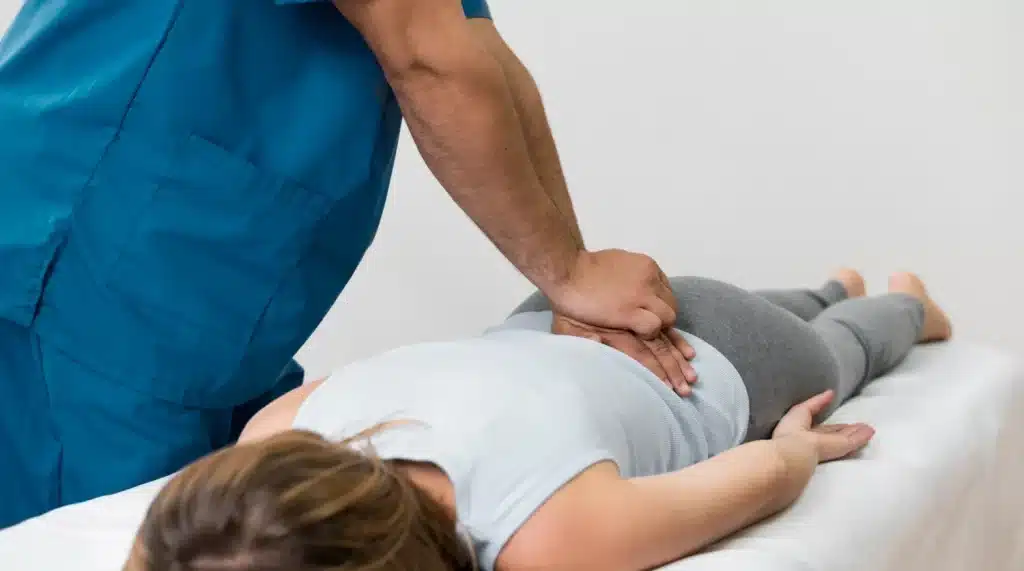
Most cases of sciatica caused by a herniated disc improve with non-surgical care, including:
- Physical therapy to strengthen core muscles and improve posture
- Anti-inflammatory medications to reduce swelling and pain
- Heat and cold therapy for symptom relief
- Activity modification to avoid movements that worsen pain
- Targeted exercises to improve spinal stability
Many patients experience improvement within weeks when following a structured rehabilitation plan.
Learn more about our non-surgical spine care services here: Non-Surgical Spinal Decompression Wellness Offer
Surgical Interventions
Surgery is usually considered only when conservative treatments fail or when severe nerve compression causes significant weakness or loss of function. Common surgical procedures include:
- Microdiscectomy – removing part of the herniated disc
- Laminectomy – creating space to relieve nerve pressure
According to the National Institute of Neurological Disorders and Stroke, surgery is highly effective for carefully selected patients:
VI. Prevention and Lifestyle Tips

Maintaining a Healthy Spine
You can reduce your risk of herniated discs and sciatica by:
- Maintaining proper posture when sitting and standing
- Using ergonomic chairs and lumbar support
- Lifting heavy objects correctly (bend at the knees, not the waist)
- Staying physically active with low-impact exercise
- Maintaining a healthy weight to reduce spinal stress
VII. Conclusion
Sciatic pain caused by a herniated disc can be disruptive, painful, and emotionally draining—but it is highly treatable. By understanding the connection between disc injuries and nerve compression, you can take proactive steps toward proper diagnosis, effective treatment, and long-term prevention.
If you’re experiencing ongoing sciatic pain, early evaluation and targeted care can make all the difference in restoring comfort, mobility, and quality of life.
Book Your New Patient Exam For $97
Frequently Asked Questions (FAQ)
Can a herniated disc heal on its own?
Yes, many herniated discs improve over time with conservative care. The body can gradually reabsorb disc material, reducing pressure on the nerve. Non-surgical treatments such as chiropractic care, physical therapy, and guided exercises can help speed recovery and manage pain during the healing process.
How long does sciatic pain from a herniated disc last?
Sciatic pain can last anywhere from a few days to several weeks. In many cases, symptoms improve within 4–6 weeks with proper care and activity modification. Chronic or recurring pain may indicate ongoing nerve compression and should be evaluated by a healthcare professional.
Is walking good for sciatica?
Yes, gentle walking is often beneficial for sciatica. Movement helps improve circulation, reduce inflammation, and prevent stiffness. However, avoid activities that worsen your pain. If walking increases discomfort, it’s best to consult a professional for a personalized movement plan.
Can chiropractic care help with sciatica caused by a herniated disc?
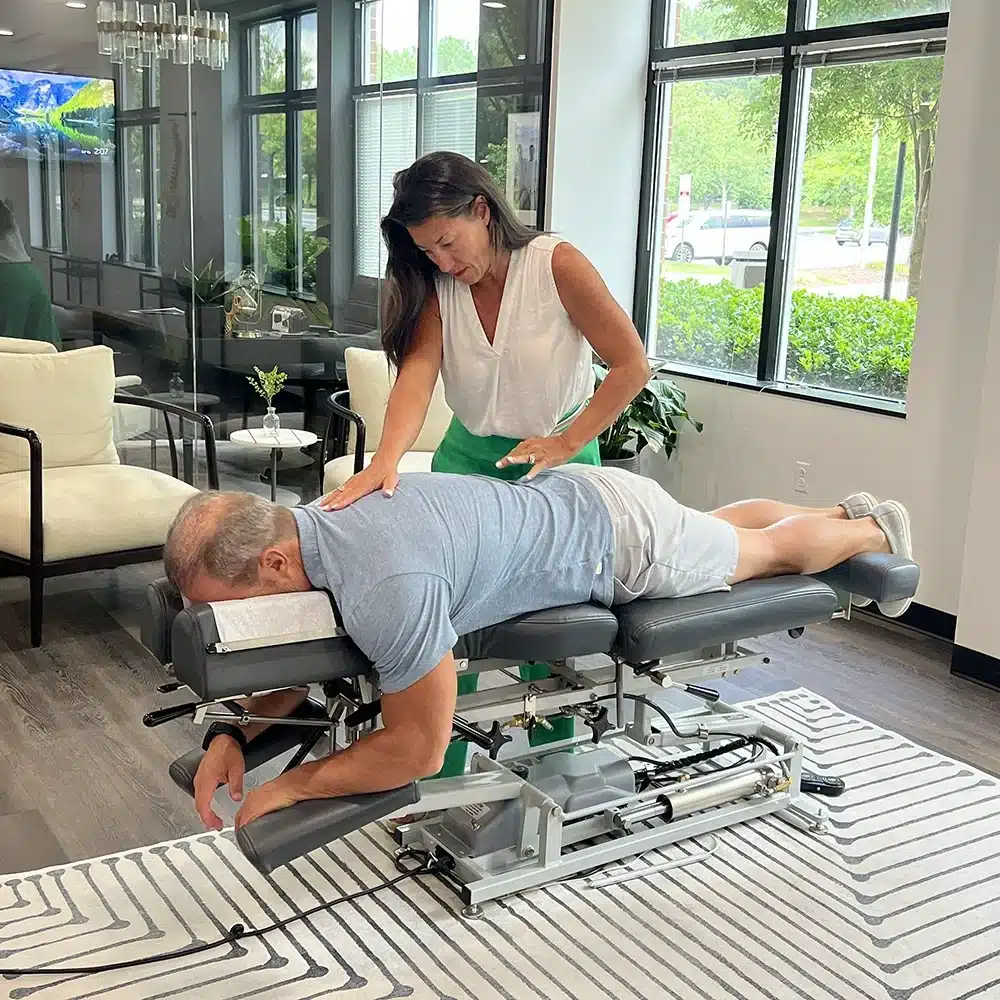
Chiropractic care may help relieve sciatic pain by improving spinal alignment, reducing nerve pressure, and supporting mobility. Many patients find relief through non-invasive chiropractic techniques combined with therapeutic exercises and lifestyle guidance.
What activities should I avoid if I have sciatica?
It’s best to avoid heavy lifting, sudden twisting motions, prolonged sitting, and high-impact activities that put strain on the lower back. Maintaining good posture and taking frequent movement breaks can help prevent flare-ups while your body heals.