





I. Introduction
Sciatica pain can be incredibly debilitating. The sharp, shooting pain down your leg, the tingling in your foot, and the constant discomfort that makes sitting, standing, or sleeping difficult can quickly take over your daily life. When sciatica flares up, even simple movements can feel overwhelming.
The good news is that relief doesn’t always require intense exercises or complicated routines. In many cases, one simple, gentle stretch can help reduce tension around the sciatic nerve and provide noticeable relief. In this article, you’ll learn about The Gentle Stretch—a safe, effective technique you can start using today to help calm sciatic pain and support recovery.
II. Understanding the Problem
What Exactly Is Sciatica Pain?
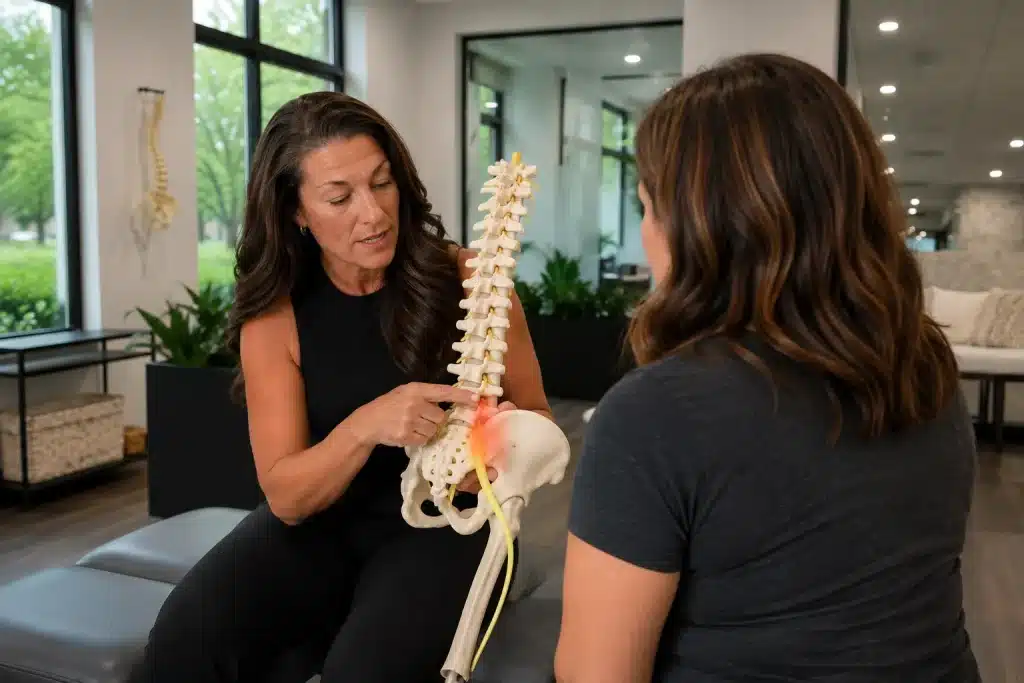
Sciatica refers to pain caused by irritation or compression of the sciatic nerve, the longest nerve in the body. This nerve runs from your lower back, through your hips and buttocks, and down each leg. When it becomes irritated, pain can travel along this entire pathway.
Common Symptoms and Sensations
People experience sciatica differently, but common symptoms include:
- Shooting or burning pain down one leg
- Tingling or “pins and needles” sensations
- Numbness in the calf, foot, or toes
- Weakness in the affected leg
- Pain that worsens with sitting or bending
Where Does the Pain Come From?
Sciatic pain usually originates from compression or irritation of the nerve near the lower spine or deep within the hip. Common contributors include:
- A herniated or bulging disc in the lower back
- Tight or inflamed muscles, especially the piriformis
- Prolonged sitting or poor posture
- Repetitive strain on the lower back
Why Harsh Stretches Can Make It Worse
When pain strikes, many people try aggressive stretching to “force” relief. Unfortunately, this approach can backfire.
The Risk of Aggravating Nerve Compression
The sciatic nerve is sensitive. Forceful stretching, bouncing, or deep twisting can increase inflammation around the nerve and worsen compression. Instead of calming the nerve, aggressive movements may prolong pain and delay healing. Gentle, controlled movements are far more effective for reducing irritation and supporting recovery.
III. The Core Solution: The Gentle Stretch
Introducing “The Gentle Stretch” for Sciatica Relief
One of the safest and most effective stretches for sciatica is the Supine Knee-to-Opposite-Shoulder Stretch (a gentle variation of the piriformis stretch). This movement helps reduce tension around the sciatic nerve without placing excessive strain on the lower back.
The Stretch We Recommend
Supine Knee-to-Opposite-Shoulder Stretch
This stretch targets tight hip muscles that often contribute to sciatic nerve compression.
Step-by-Step Guide to Execution
- Lie on your back with both legs extended.
- Bend the affected leg and gently pull the knee toward the opposite shoulder.
- Keep your hips relaxed and your lower back flat against the floor.
- Hold the position for 20–30 seconds, breathing slowly and deeply.
- Slowly release and repeat 2–3 times on the affected side.
💡 Posture plays a big role in sciatic pain. Improving your sitting habits can reduce daily strain on your lower back. Watch this quick video on proper posture from HFC: Perfect Your Desk Posture in 3 Minutes.
Important Safety Checkpoints
- The stretch should feel gentle, not painful
- Stop immediately if pain shoots down your leg
- Avoid bouncing or forcing the movement
- Focus on slow, relaxed breathing
A “good” stretch feels like mild tension and gradual release—not sharp pain.
Frequency and Duration
- Perform this stretch 2–3 times per day
- Hold each stretch for 20–30 seconds
- Consistency is more important than intensity
IV. Optimizing Your Recovery
Tips to Enhance the Stretch’s Effectiveness
Heat vs. Cold: When to Apply
- Heat before stretching can help relax tight muscles
- Cold after activity can help calm inflammation
- Use whichever feels most soothing for your symptoms
Proper Posture for Daily Life
Poor posture places extra pressure on the lower back and sciatic nerve. Small adjustments can make a big difference:
- Sit with both feet flat on the floor
- Keep your hips slightly higher than your knees
- Use lumbar support when sitting for long periods
- Avoid crossing your legs for extended time
- Change positions every 30–45 minutes
Gentle Movement: The Best Defense
Staying lightly active helps prevent stiffness and improves circulation. Low-impact activities such as walking or swimming can support healing without stressing the spine.
V. Conclusion
When to Seek Professional Help
While gentle stretching can be highly effective, some symptoms require professional evaluation.
Red Flags: When Pain Warrants a Doctor’s Visit
Seek medical care if you experience:
- Loss of bowel or bladder control
- Sudden or worsening leg weakness
- Severe, unrelenting pain
- Progressive numbness or loss of sensation
These may indicate significant nerve involvement that should be addressed promptly.
Summary
Sciatica can feel overwhelming, but simple, consistent care can make a meaningful difference. By practicing The Gentle Stretch daily, improving posture, and supporting your body with healthy movement habits, you can reduce nerve irritation and take control of your recovery. Small, gentle actions done consistently are often the most powerful tools for long-term relief.
Start The Gentle Stretch today and notice how your body responds. If you experience relief—or if you’re still struggling—share your experience in the comments. Your journey might encourage someone else to take their first step toward feeling better.
Frequently Asked Questions (FAQ)
Can one gentle stretch really relieve sciatica pain?
Yes—when done correctly and consistently, a gentle stretch can help reduce muscle tension around the sciatic nerve and relieve pressure that contributes to pain. While it may not “cure” the underlying cause in all cases, many people experience noticeable relief and improved mobility with regular, gentle stretching.
How quickly will I feel relief from The Gentle Stretch?
Some people feel mild relief immediately after stretching, while others notice improvement over several days of consistent practice. The key is gentle repetition. Avoid forcing the stretch, and give your body time to respond.
Should I stretch if my sciatica is very painful?
If your pain is severe, sharp, or worsening, it’s best to be cautious. Gentle stretching should never increase pain or cause shooting sensations down the leg. If stretching aggravates your symptoms, stop and consider seeking professional guidance to identify the root cause of your sciatica.
Can stretching make sciatica worse?
Yes, aggressive or forceful stretching can worsen sciatic pain by increasing irritation of the nerve. That’s why gentle, controlled movements—like the stretch recommended in this article—are safer and more effective than deep or sudden stretches.
How long should I continue doing The Gentle Stretch?
You can continue gentle stretching daily as part of your routine, even after symptoms improve. Many people use it as a preventive habit to keep hips and lower back flexible and reduce the likelihood of future flare-ups.
When should I stop self-care and seek professional help?
You should seek professional evaluation if:
Your pain lasts longer than a few weeks
Symptoms worsen instead of improving
You experience increasing numbness or weakness
Pain interferes with sleep or daily activities
Early assessment can help prevent chronic issues and ensure you’re using the right approach for your specific condition.