



Introduction: Setting the Record Straight on Spinal Decompression
Non-surgical spinal decompression therapy has become a popular option for people seeking relief from chronic back pain, disc problems, and nerve-related symptoms—without surgery or heavy reliance on medication. Despite its growing use, spinal decompression is still widely misunderstood.
You may have heard conflicting claims about whether it works, whether it’s painful, or whether it’s just an expensive version of traction. In this FAQ-style guide, we’ll set the record straight by busting the top 5 myths about non-surgical spinal decompression—so you can make a more informed decision about your care.
Myth 1: Non-Surgical Decompression Is Just an Expensive Traction Table
Myth Busted: The Key Difference Between Traction and Spinal Decompression
While spinal decompression and traditional traction both involve gentle pulling forces applied to the spine, they are not the same treatment.
Standard Traction
Standard traction applies a constant pulling force to the spine. Because the body senses this steady tension, the muscles often react with a protective contraction (muscle guarding). This reflex can limit how much the spine actually decompresses and may reduce the effectiveness of the treatment for disc-related conditions.
Spinal Decompression
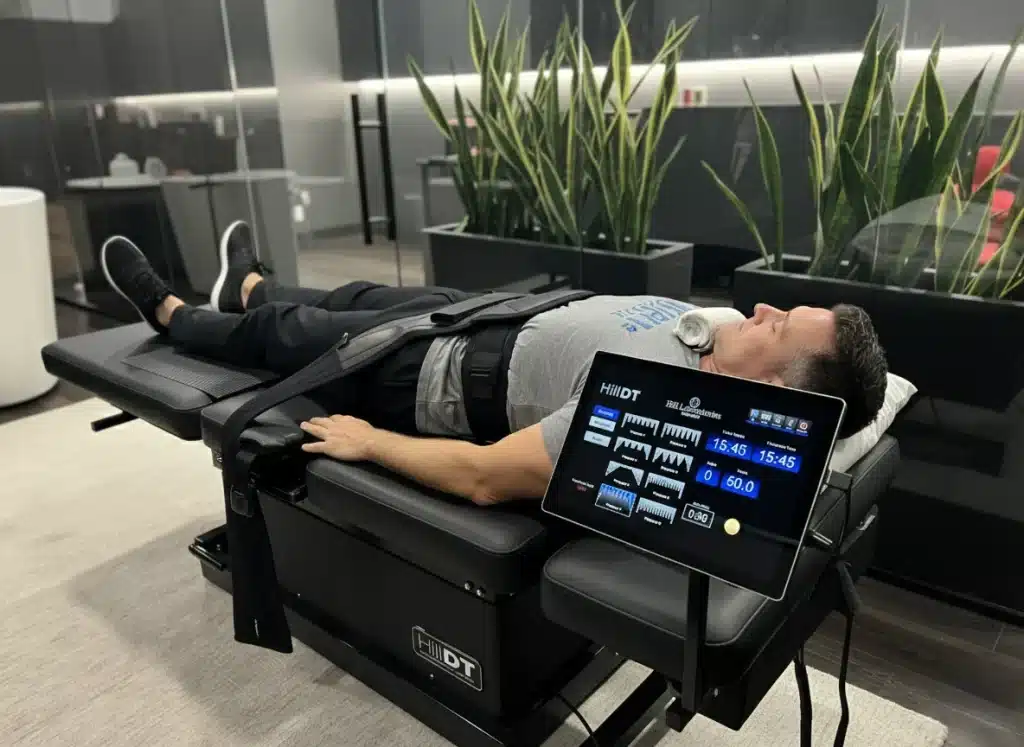
Non-surgical spinal decompression uses computerized, precisely controlled cycles of traction and relaxation. These controlled patterns are designed to prevent the muscle-guarding reflex, allowing deeper decompression within the disc space. The goal is to create negative pressure inside the disc, which may help reduce disc bulges and encourage fluid and nutrient exchange in the affected area.
Myth 2: The Treatment Is Painful and Invasive
Myth Busted: The Actual Patient Experience
Spinal decompression therapy is non-invasive and is generally described by patients as comfortable or even relaxing. There are no needles, injections, or surgical procedures involved.
During treatment, patients are gently secured with a comfortable harness or strapping system that supports the lower body and torso. The decompression table then applies slow, controlled pulling forces tailored to the individual’s condition. Most people report feeling a gentle stretching sensation rather than pain. Sessions are typically calm, and many patients listen to music or simply relax during treatment.
Myth 3: It Only Works for a Short Time – The Results Don’t Last
Myth Busted: Long-Term Healing Is the Goal
Spinal decompression is not designed as a “quick fix” for temporary symptom relief. The long-term goal of decompression therapy is to support healing within the disc by improving fluid movement and nutrient exchange (often referred to as osmosis).
By creating negative pressure within the disc space, decompression may help encourage rehydration of the disc and reduce mechanical stress on irritated nerves. However, long-term results depend on more than just the decompression sessions themselves.
Post-treatment stabilization and rehabilitation exercises play a critical role. Strengthening the core and supporting muscles around the spine helps maintain spinal stability, reduce re-injury risk, and support lasting outcomes.
Myth 4: Spinal Decompression Is Only Used for Slipped Discs (Herniations)
Myth Busted: A Broader Range of Treatable Conditions
While herniated or bulging discs are common reasons people seek spinal decompression therapy, they are not the only conditions that may benefit. Non-surgical decompression is often used as part of a care plan for:
- Sciatica and radiating leg or arm pain
- Degenerative disc disease (DDD)
- Facet joint syndrome
- Chronic neck or lower back pain related to disc compression
Spinal decompression works by gently increasing space between vertebrae, which can help reduce pressure on compressed nerve roots and improve circulation in the affected area. This mechanism can support symptom relief across several disc- and nerve-related conditions.
Myth 5: Anyone Can Use a Decompression Machine
Myth Busted: Proper Screening Is Essential
Spinal decompression therapy is not appropriate for everyone. A thorough evaluation by a qualified healthcare professional is essential before starting treatment.
Certain conditions may make decompression unsafe or inappropriate, including:
- Severe osteoporosis
- Spinal fusion or implanted hardware
- Spinal tumors or fractures
- Active pregnancy
- Advanced instability of the spine
Proper screening ensures that spinal decompression is used safely and appropriately, and that each patient receives care suited to their specific condition and medical history.
Conclusion: Making an Informed Decision
Non-surgical spinal decompression is a scientifically informed, non-invasive treatment option when administered correctly and to appropriate candidates. It is not simply traction, it is not typically painful, and it is not limited to disc herniations alone. Like most therapies, its effectiveness depends on proper diagnosis, personalized treatment planning, and supportive rehabilitation.
If you’re considering non-surgical spinal decompression, consult with a qualified specialist to determine whether you’re a good candidate. A professional evaluation can help you understand your options and build a personalized, non-surgical plan for long-term spinal health.
Frequently Asked Questions
Is non-surgical spinal decompression scientifically supported?
Yes. Clinical studies suggest spinal decompression may help reduce disc pressure and relieve nerve-related pain in appropriately selected patients when used as part of a comprehensive care plan.
How many spinal decompression sessions are usually needed?
Treatment plans vary, but many protocols involve multiple sessions over several weeks. The exact number depends on the condition being treated, symptom severity, and individual response.
Is spinal decompression the same as inversion therapy?
No. Inversion therapy uses body weight and gravity, while spinal decompression uses computer-controlled traction with precise, adjustable force patterns tailored to the patient.
Can spinal decompression replace surgery?
In some cases, spinal decompression may help people avoid or delay surgery, but it is not a guaranteed replacement. A proper evaluation is needed to determine the most appropriate treatment options.
What should I expect after a decompression session?
Most patients feel mild stretching or temporary soreness, similar to starting a new exercise routine. Many report gradual symptom improvement over the course of treatment.