




Walking and hiking are some of the most natural and effective forms of movement. They support cardiovascular health, joint mobility, mental clarity, and overall longevity. Yet many people avoid them because of pain, stiffness, or fear of injury.
The truth is, pain isn’t a sign that you should stop moving—it’s often a sign that your body needs to move better.
Why Walking and Hiking Matter
Humans are designed to move. Regular walking and hiking:
- Improve joint lubrication and mobility
- Support spinal health and posture
- Enhance circulation and lymphatic flow
- Improve balance and coordination
- Reduce stress and support nervous system health
When done properly, these activities help reduce pain rather than cause it.
Why Movement Often Hurts
Pain during walking or hiking is usually not caused by the activity itself, but by underlying issues such as:
- Poor posture or spinal misalignment
- Joint restrictions in the hips, knees, or ankles
- Muscle imbalances
- Nervous system stress
- Lack of mobility or improper footwear
Addressing these root causes allows movement to feel natural and pain-free again.
The Nervous System’s Role in Pain-Free Movement
Your nervous system controls how muscles fire, how joints stabilize, and how efficiently you move. If nerve communication is disrupted, the body compensates—often leading to discomfort.
Supporting nervous system function helps:
- Improve movement coordination
- Reduce muscle tension
- Enhance balance and stability
- Decrease inflammation and pain signals
This is where chiropractic care becomes essential.
How Chiropractic Care Supports Walking & Hiking
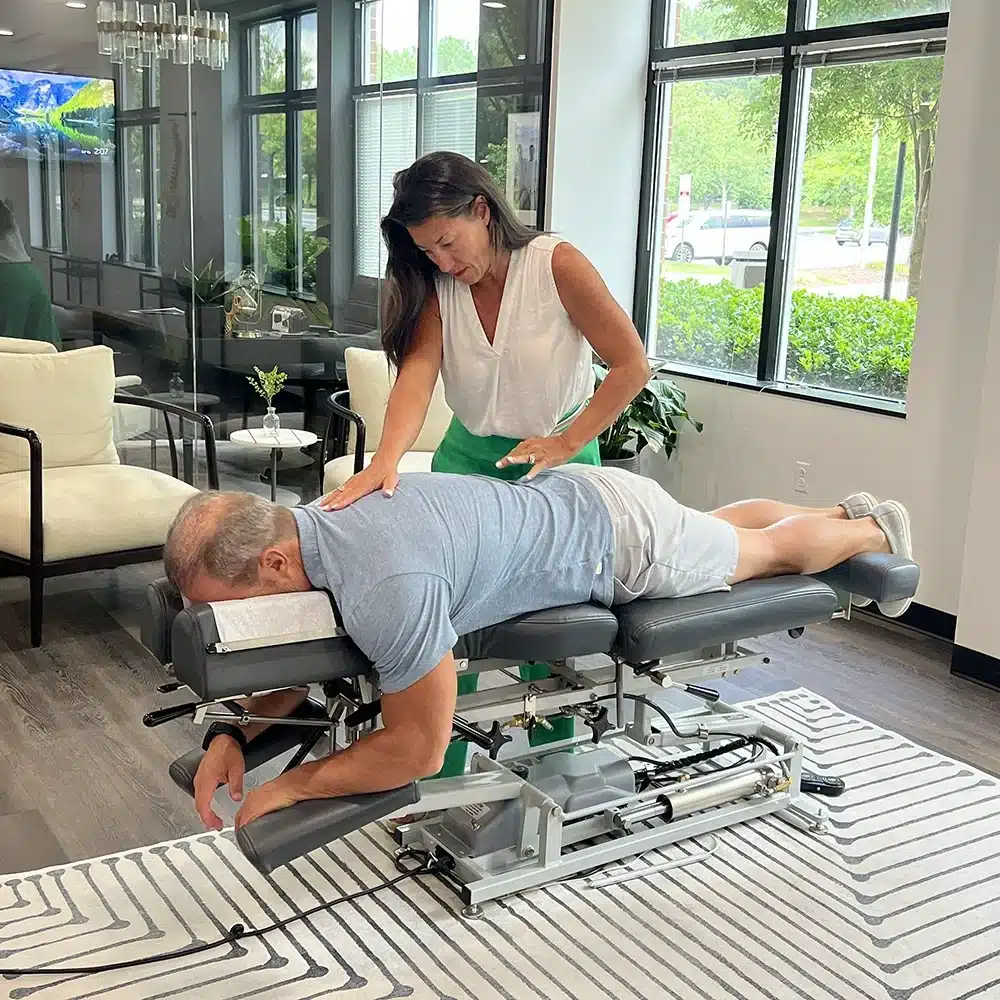
Chiropractic care optimizes spinal alignment and joint mobility, allowing your body to move efficiently and without compensation.
Regular chiropractic care can:
- Improve spinal and pelvic alignment
- Enhance hip, knee, and ankle mobility
- Reduce joint stress during repetitive movement
- Improve posture and gait mechanics
- Help prevent overuse injuries
When the spine moves properly, the entire body moves better.
Simple Mobility Tips for Pain-Free Movement
1. Start with Short Distances
Gradually increase distance and intensity to allow joints and muscles to adapt.
2. Focus on Posture
Keep your head upright, shoulders relaxed, and core engaged while walking or hiking.
3. Mobilize Before You Move
Gentle dynamic movements for hips, ankles, and spine prepare the body for activity.
4. Strengthen Supporting Muscles
Strong glutes, core, and feet reduce strain on joints.
5. Choose Supportive Footwear
Proper shoes improve alignment and reduce joint stress—especially on uneven terrain.
Incorporating Walking into Daily Life
Walking doesn’t have to be intense to be effective. Consistency matters more than speed or distance.
Simple ways to move more include:
- Daily neighborhood walks
- Nature trails or light hikes
- Walking meetings or errands
- Gentle incline walking
Movement should feel energizing—not exhausting.
Move More, Live Better
Pain should never be the barrier that keeps you from moving. With proper support, walking and hiking can become powerful tools for mobility, longevity, and mental well-being.
At Health First Chiropractic & Wellness, we help patients move confidently and comfortably through chiropractic care, mobility guidance, and nervous system support.
The goal isn’t to move less—it’s to move better.