





5 Ways the HillDT Table Outperforms Traditional Traction for Back Pain
Back pain treatment has come a long way from older static traction methods. While traditional traction may help create general spinal elongation, it often lacks the precision, comfort, and real-time adaptability needed for disc-related conditions like herniated discs, bulging discs, sciatica, and nerve compression.
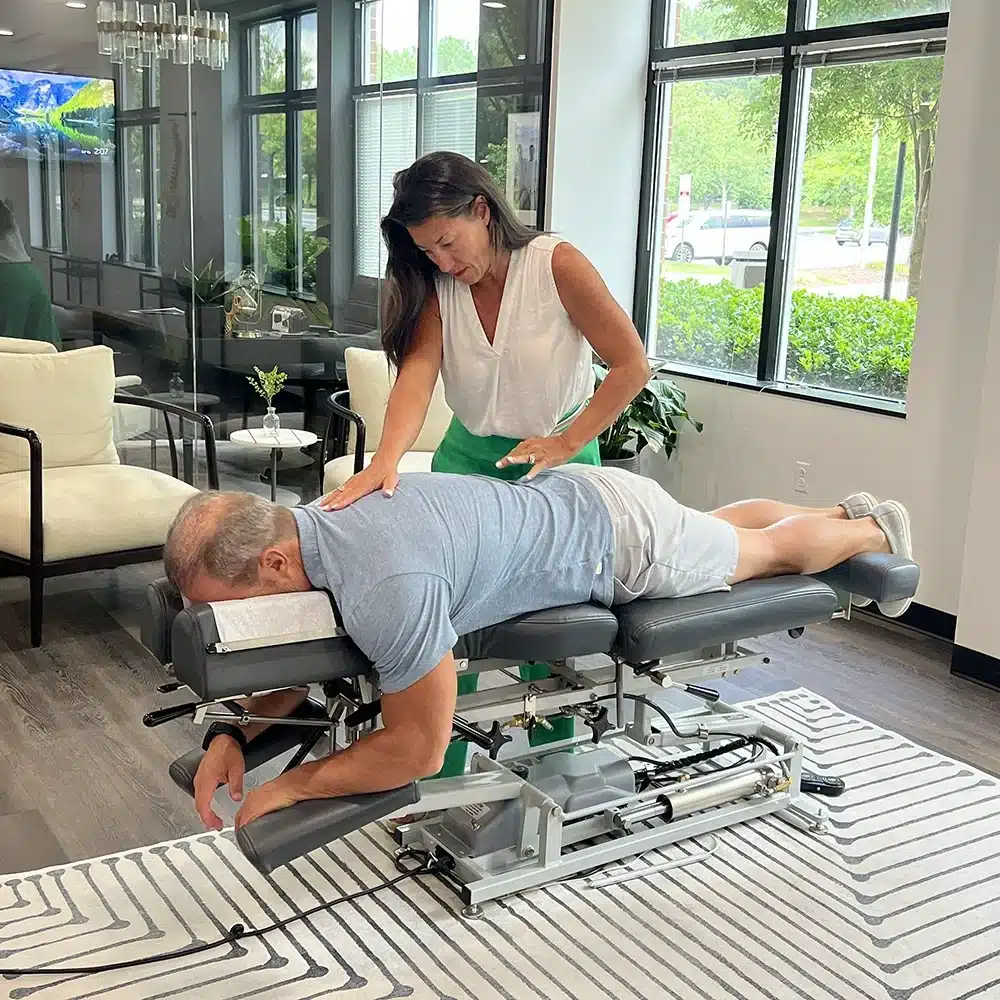
At Health First Chiropractic & Wellness in Glen Allen, VA, the HillDT spinal decompression table offers a more advanced approach. It uses computerized technology, biofeedback monitoring, and customized pull cycles to help decompress the spine in a controlled, patient-friendly way.
The HillDT table outperforms traditional traction in five key ways: 1) It uses real-time biofeedback sensors to help reduce muscle guarding; 2) It delivers targeted, segment-specific spinal distraction; 3) It is designed to create negative intradiscal pressure; 4) It offers fully customizable, computerized treatment angles; and 5) It supports a more comfortable and controlled patient experience throughout the session.
Introduction: Not All Spinal Therapy Is Created Equal
Traditional traction and computerized spinal decompression are often grouped together, but they are not the same.
Traditional traction usually applies a straight pulling force to the spine. This may help stretch the back or neck, but the force is often more general. For some patients, this can trigger muscle spasms or cause the body to tighten against the pull.
HillDT spinal decompression is different. Instead of relying on simple static traction, the HillDT table uses sensor-driven technology and computerized controls to apply a more precise, comfortable, and targeted decompression force.
For patients dealing with chronic back pain, disc pressure, sciatica, or spinal nerve irritation, this difference matters.
Way 1: Real-Time Biofeedback That Helps Prevent Muscle Guarding
One of the biggest problems with older traction methods is that the body may resist the treatment.
When the spine is pulled too quickly or too aggressively, the muscles can tighten to protect the body. This is called muscle guarding. When muscle guarding happens, the treatment may feel uncomfortable, and the pull may not reach the intended spinal area effectively.
The Flaw of Traditional Traction: Triggering Spasms
Traditional mechanical traction often uses a preset pulling force. The machine pulls, holds, and releases based on a general setting.
The problem is that your body is not static.
Your muscles, pain response, tension level, and comfort can change during the session. If the pull feels too sudden or too strong, your back muscles may tighten, creating resistance instead of relief.
This can lead to:
- Increased muscle spasms
- More tension during treatment
- Less effective spinal elongation
- Discomfort after the session
- A poor treatment experience for sensitive patients
This is one reason some patients say traditional traction felt uncomfortable or did not work well for them.
The HillDT Solution: Sensing and Adapting to Your Body
The HillDT table uses load-sensing technology to monitor treatment force and patient resistance throughout the session. Instead of forcing the body through a rigid pull, the table is designed to sense resistance and adjust the decompression force.
This real-time biofeedback monitoring helps the table deliver smoother, low-force decompression.
The result is a treatment experience that feels more controlled and less aggressive than older mechanical traction tables.
For patients with disc-related back pain, this matters because the goal is not simply to stretch the spine. The goal is to gently reduce pressure in the right area while keeping the body relaxed enough to respond.

Way 2: Targeted, Segment-Specific Decompression
Traditional traction often pulls the spine in a general way. This may create broad spinal elongation, but it does not always isolate the specific area causing the problem.
For example, a patient with a lower lumbar disc issue may need decompression focused around a specific spinal segment. A general traction pull may stretch the entire lower back without delivering enough targeted force to the affected disc level.
The HillDT table allows for more specific positioning and treatment customization.
Depending on the patient’s condition, the provider can adjust the setup for:
- Lumbar decompression
- Cervical decompression
- Disc-related pain
- Sciatica symptoms
- Nerve irritation
- Bulging or herniated discs
- Degenerative disc concerns
This makes HillDT therapy more advanced than basic traction because it can be tailored to the patient’s body, condition, and treatment goals.
Instead of asking, “How hard should we pull?” the better question becomes, “Where does the decompression need to be focused, and how can we apply it comfortably?”
That is where computerized spinal decompression provides a major advantage.
Way 3: Creating Negative Intradiscal Pressure for Healing Support
The goal of spinal decompression is not just to stretch the back. The goal is to reduce pressure inside the spinal discs.
When a disc is compressed, irritated, dehydrated, or bulging, it can place pressure on nearby nerves. This can lead to symptoms such as:
- Lower back pain
- Neck pain
- Sciatica
- Numbness or tingling
- Pain traveling into the legs or arms
- Pain that worsens with sitting, bending, or standing
HillDT spinal decompression is designed to help create negative intradiscal pressure. This means the pressure inside the disc is reduced, creating a decompression effect within the targeted area.
This pressure change may help support:
- Reduced nerve compression
- Herniated disc retraction
- Improved disc environment
- Better fluid and nutrient movement
- Disc rehydration support
Traditional traction may stretch the spine, but it may not consistently create the same targeted decompression effect, especially if the patient’s muscles are guarding against the pull.That is why the difference between mechanical traction vs decompression is important. Traction is often a general pulling method. Decompression is a more precise, controlled process designed to reduce pressure at the disc level.

Way 4: Highly Customizable, Computerized Treatment Angles
Every patient’s spine is different. A one-size-fits-all pull is not ideal for back pain treatment.
The HillDT table allows the provider to customize treatment settings based on the patient’s condition, tolerance, and target area. This may include adjustments to pull force, angle, cycle timing, and body positioning.
This matters because the angle of decompression can influence which part of the spine receives the most focused treatment.
For example:
- A patient with lower lumbar disc symptoms may need a different setup than someone with neck pain.
- A patient with sciatica may need lumbar decompression focused toward the affected area.
- A patient with cervical disc pressure may need a different angle and support system than a patient with low back pain.
With traditional traction, the pull is often more basic. With HillDT, treatment can be more personalized.
The use of customized pull cycles allows the table to alternate between decompression and relaxation phases in a controlled way. This helps the treatment feel smoother and may reduce the chance of muscle resistance.
For patients who have tried traditional traction before and found it uncomfortable, this level of customization can make a major difference.
Way 5: Superior Patient Comfort and Safety Features
Comfort is not just a bonus. It is an important part of effective spinal decompression.
If a patient is tense, anxious, or guarding during treatment, the body may resist the decompression force. A comfortable setup helps the patient relax, which can improve the overall treatment experience.
The HillDT table is designed with patient comfort and control in mind. The treatment is typically gentle, gradual, and monitored throughout the session.
Key comfort and safety advantages may include:
- Smooth low-force decompression
- Real-time resistance monitoring
- Adjustable treatment positioning
- Controlled pull-and-release cycles
- Patient-centered setup
- Ability to stop or adjust treatment when needed
Traditional traction may feel more rigid or forceful because it does not always adapt to the patient’s resistance in real time.
HillDT therapy is designed to provide a more comfortable, controlled, and modern alternative for patients who need non-invasive back treatment.
Summary Comparison: HillDT Table vs. Traditional Traction
| Feature | Traditional Traction | HillDT Spinal Decompression Table |
| Treatment Style | General spinal pulling | Computerized spinal decompression |
| Technology | Basic mechanical traction | Sensor-driven decompression technology |
| Biofeedback Monitoring | Limited or none | Real-time load-sensing feedback |
| Muscle Guarding Response | May trigger muscle spasms or resistance | Designed to detect resistance and adjust force |
| Treatment Targeting | Broad spinal elongation | More targeted, segment-specific decompression |
| Pull Cycles | Often basic or static traction | Customized pull cycles |
| Treatment Angles | Limited customization | Adjustable, computerized treatment angles |
| Disc Pressure Goal | General stretch | Designed to create negative intradiscal pressure |
| Patient Comfort | Can feel rigid or forceful for some patients | Designed for smoother, low-force decompression |
| Best Fit | General stretching needs | Disc-related back pain, sciatica, and nerve pressure in appropriate candidates |
Frequently Asked Questions
Why does traditional traction sometimes hurt, but HillDT does not?
Traditional traction can sometimes feel uncomfortable because it may apply a more general pulling force. If the pull is too strong or too sudden, your body may respond with muscle guarding or spasms.
The HillDT table is designed to monitor resistance and adjust the decompression force. This helps create a smoother and more comfortable experience for many patients.
However, every patient is different. If discomfort happens during any spinal therapy session, the provider should adjust or stop the treatment.
Is HillDT therapy safer than older mechanical traction tables?
HillDT therapy may offer a more controlled and patient-friendly experience than older mechanical traction tables because it uses computerized settings and sensor-driven technology.
That said, spinal decompression is not right for everyone. Patients with certain conditions, such as spinal fractures, severe osteoporosis, pregnancy, spinal tumors, infections, or unstable spinal conditions, may not be good candidates.
A proper consultation is important before starting treatment.
How quickly can I see results with HillDT vs. regular traction?
Some patients may notice relief after only a few sessions, while others need a longer treatment plan. Results depend on the condition being treated, severity of symptoms, consistency of care, lifestyle factors, and whether the patient is a good candidate.
HillDT therapy is not a quick fix or guaranteed cure. It is a conservative treatment option designed to support spinal decompression, reduce pressure, and help the body respond over time.
Conclusion: Experience the Advanced Alternative to Traction
Traditional traction may help stretch the spine, but HillDT spinal decompression offers a more advanced approach for back pain, disc pressure, and nerve-related symptoms.
By using real-time biofeedback monitoring, targeted decompression, customizable treatment angles, and smoother pull cycles, the HillDT table provides a modern alternative to older mechanical traction methods.
At Health First Chiropractic & Wellness, we use advanced decompression technology to help patients in Glen Allen, VA and nearby communities explore non-surgical options for back pain, sciatica, herniated discs, bulging discs, and spinal nerve irritation.
If you have tried stretching, rest, or traditional traction without lasting relief, HillDT spinal decompression therapy may be worth considering.
Schedule a consultation today and find out if HillDT therapy is the right next step for your back pain.