





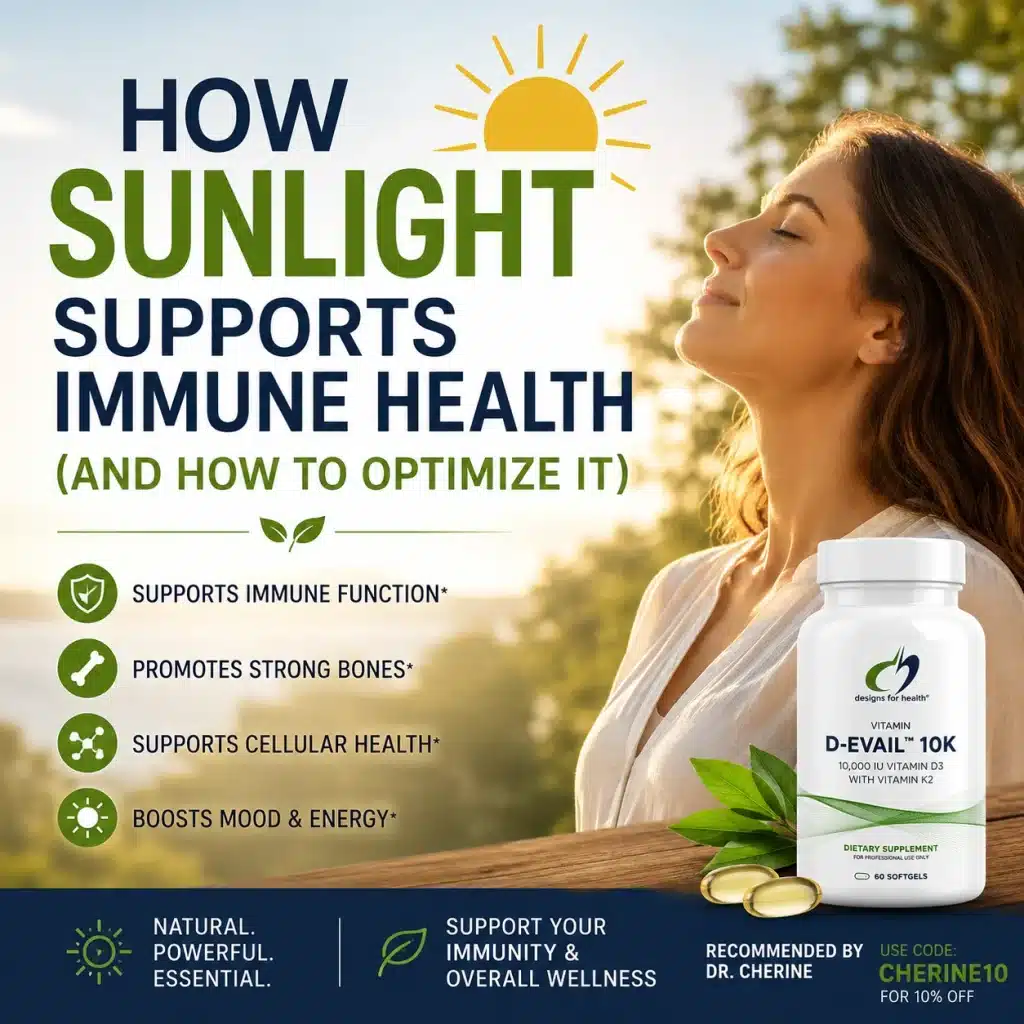
For decades, we've been told to avoid the sun at all costs. While protecting your skin from excessive UV exposure is important, many people have swung too far in the opposite direction—spending most of their days indoors and missing out on one of nature's most powerful health-promoting tools.
Sunlight does far more than brighten your mood. It plays a critical role in supporting immune function, regulating sleep, improving energy levels, and helping your body produce vitamin D, one of the most important nutrients for overall health.
If you're looking to strengthen your immune system naturally, optimizing your relationship with sunlight is a great place to start.
The Connection Between Sunlight and Immunity
When sunlight hits your skin, ultraviolet B (UVB) rays trigger the production of vitamin D. Unlike most vitamins, vitamin D functions more like a hormone, influencing numerous systems throughout the body—including your immune system.
Research shows that vitamin D helps:
- Support healthy immune cell function
- Promote the body's natural antimicrobial defenses
- Help regulate inflammation
- Support balanced immune responses
- Contribute to respiratory and overall wellness
In simple terms, vitamin D helps your immune system stay strong without becoming overactive.
Why Vitamin D Deficiency Is So Common
Despite living in an age of abundant health information, vitamin D deficiency remains extremely common.
Several factors can reduce vitamin D production, including:
- Spending most of the day indoors
- Working in offices
- Excessive sunscreen use
- Aging
- Darker skin pigmentation
- Living in northern climates
- Winter months with reduced UVB exposure
Many people assume they get enough sunlight, but blood testing often tells a different story.
Sunlight Does More Than Produce Vitamin D
Vitamin D is only part of the story.
Regular sunlight exposure may also help:
Improve Sleep Quality
Morning sunlight helps regulate your circadian rhythm, supporting healthy melatonin production and improving sleep quality later in the evening.
Boost Mood
Sunlight helps stimulate serotonin production, a neurotransmitter associated with feelings of well-being, focus, and emotional balance.
Support Cardiovascular Health
Research suggests sunlight exposure may stimulate the release of nitric oxide, which can support healthy circulation and cardiovascular function.
Promote Overall Longevity
Many researchers now believe that appropriate sunlight exposure is one of the foundational lifestyle factors supporting long-term health and resilience.
How to Optimize Your Sun Exposure
The goal isn't to spend hours baking in the sun.
Instead, focus on regular, intentional exposure.
1. Get Morning Sunlight Daily
Aim for 10–20 minutes of outdoor light exposure shortly after waking whenever possible.
This helps regulate your internal clock and supports healthy sleep-wake cycles.
2. Spend Time Outdoors Throughout the Week
For many people, 10–30 minutes of sun exposure on bare skin several times per week can help support vitamin D production, although needs vary based on skin tone, season, and geographic location.
3. Avoid Burning
More sun is not always better.
The goal is healthy exposure—not sunburn. Excessive UV exposure can damage skin and increase skin cancer risk.
4. Know Your Vitamin D Levels
The only way to know whether your vitamin D status is optimal is through testing. Many people who spend time outdoors are still deficient.
When Supplementation Makes Sense
For many individuals, sunlight alone may not be enough to maintain optimal vitamin D levels year-round.
This is especially true for:
- Older adults
- Individuals with darker skin
- People living in northern climates
- Those who spend most of their time indoors
- Individuals with known vitamin D deficiency
In these situations, supplementation may be an important part of an overall wellness plan.
Why We Recommend Vitamin D with K2
Vitamin D and vitamin K2 work together as a team.
Vitamin D helps your body absorb calcium, while vitamin K2 helps direct that calcium to where it belongs—your bones and teeth—rather than soft tissues. This is why many functional medicine practitioners recommend taking these nutrients together.
For patients looking for a high-quality practitioner-grade option, we often recommend:
This highly bioavailable vitamin D3 formula from Designs for Health is designed to support healthy vitamin D levels, immune function, bone health, and overall wellness.
For additional support, many patients choose to pair vitamin D supplementation with a quality K2 supplement as recommended by their healthcare provider.
Special Offer
Use code CHERINE10 to save 10% on Designs for Health supplements through Dr. Cherine's practitioner store.
The Bottom Line
Sunlight is one of the most overlooked tools for supporting immune health.
When combined with quality sleep, nutrient-dense nutrition, regular movement, stress management, and appropriate supplementation, healthy sun exposure can become a powerful part of your wellness routine.
Remember: the goal isn't avoiding the sun entirely—it's learning how to use it wisely.
Your immune system, energy levels, mood, and overall health may thank you for it.