





Joint pain, back pain, neck stiffness, or nerve discomfort can make it difficult to move comfortably. But when pain starts affecting your daily routine, it can be hard to know where to begin. Should you see a chiropractor first, or is it time to visit an orthopedic doctor?
Both providers treat problems related to the musculoskeletal system, but their approach is different. A chiropractor usually focuses on non-invasive treatment, spinal alignment, joint mobility, and nervous system function. An orthopedic doctor is a medical physician who diagnoses and treats more complex bone, joint, ligament, tendon, and muscle conditions, including cases that may require medication, injections, diagnostic imaging, or surgical intervention.
Understanding the difference between a chiropractor vs orthopedic doctor can help you choose the right next step for your pain and recovery timeline.
Quick Answer: The Core Difference
The biggest difference is their scope of care.
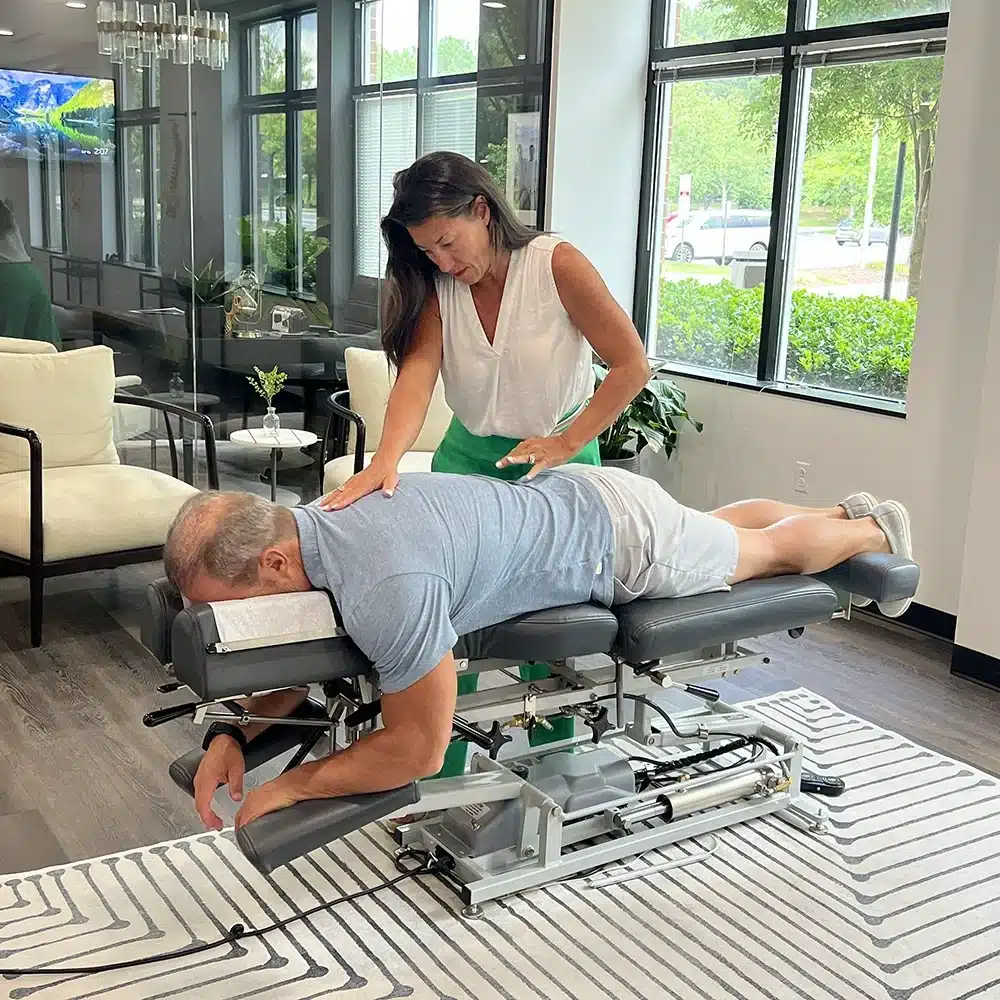
Chiropractors focus on conservative, hands-on care for the musculoskeletal system and nervous system. They commonly use spinal manipulation, adjustments, posture guidance, and mobility-focused care to help improve spinal alignment and joint function.
Orthopedic doctors, also called orthopedists or orthopedic surgeons, are medical doctors who specialize in bone and joint health. They can order advanced diagnostic imaging, prescribe medication, perform injections, and recommend or perform surgery when needed.
If you are dealing with everyday aches, stiffness, poor posture, or alignment-related discomfort, consulting an experienced Glen Allen chiropractor is a practical conservative first step.

When a Chiropractor Is the Better Choice
A chiropractor may be the better choice when your pain feels structural, non-severe, and related to stiffness, posture, or restricted movement.
Chiropractic care is often used for back pain, neck pain, tension headaches, joint stiffness, and mobility issues. If your discomfort feels worse after sitting for long periods, working at a desk, sleeping in an awkward position, or lifting incorrectly, a chiropractor can evaluate how your spine and joints are moving.
The goal of chiropractic care is to support better spinal alignment, improve joint mobility, and reduce stress on the musculoskeletal system. This makes it a helpful option for people who want non-invasive treatment before considering prescription medication, injections, or more advanced medical intervention.
Chiropractors may also provide lifestyle recommendations, stretching guidance, posture correction, and wellness support to help reduce recurring pain. For many patients, chiropractic care is a conservative starting point for managing everyday pain and improving movement naturally.

When an Orthopedic Doctor Is the Better Choice
An orthopedic doctor is usually the better choice when pain is severe, traumatic, progressive, or connected to possible structural damage.
You should consider orthopedic care if you have a broken bone, suspected fracture, torn ligament, severe joint degeneration, a major sports injury, or pain after a serious accident. Orthopedic doctors are also appropriate when pain is not improving with conservative care or when you may need advanced diagnostic imaging such as an MRI, CT scan, or specialized X-ray.
An orthopedic surgeon can diagnose and treat complex bone and joint health issues. Treatment may include medication, bracing, injections, physical therapy referrals, or surgical intervention when necessary. Procedures may include arthroscopy, joint replacement, ligament repair, or spinal surgery, depending on the condition.
You should seek urgent medical care if your back pain comes with new bladder or bowel problems, fever, unexplained weight loss, severe weakness, numbness, or pain after a major accident. These symptoms may require immediate medical evaluation.
Chiropractor vs. Orthopedic Doctor: Cost Comparison
| Factor | Chiropractor | Orthopedic Doctor |
| Average Cost per Visit | Often around $60–$150 per visit | Often $150–$300+ for a specialist consultation |
| Insurance Coverage | Commonly covered for acute care, depending on the plan | Commonly covered by major medical insurance, subject to deductibles and copays |
| Treatment Path Cost | Often lower for conservative, ongoing care | Can be higher if imaging, injections, or surgery are needed |
| Typical Care Style | Hands-on adjustments, mobility care, posture support | Medical diagnosis, imaging, medication, injections, or surgery if needed |
Actual costs vary based on your location, provider, insurance plan, and condition. Chiropractic care may be more affordable for ongoing conservative care, while orthopedic care can become more expensive if advanced imaging, specialist procedures, or surgery are required.
Before booking, check your insurance coverage, specialist copay, deductible, visit limits, and whether a referral is required.
Recovery Timeline: What to Expect
Chiropractic care may provide relatively fast relief for certain types of joint stiffness, acute back discomfort, neck tension, or chronic pain related to restricted movement. Some patients notice improved mobility within a few visits, though ongoing care may be recommended depending on the condition.
Orthopedic care depends heavily on the diagnosis. Non-surgical treatments such as bracing, medication, injections, or activity modification may provide relief quickly. However, if surgery is needed, recovery can take several weeks to several months and often includes dedicated rehabilitation.
In simple terms, chiropractic care is often used to improve function and reduce pain conservatively, while orthopedic care is used when the condition may require a medical diagnosis, imaging, or more advanced intervention.
Which Should You Choose?
Choose a chiropractor if:
- Your pain is mild to moderate and non-traumatic.
- You have lower back stiffness, neck pain, or posture-related discomfort.
- You prefer a natural, hands-on, non-invasive treatment approach.
- Your main issue is joint stiffness, poor spinal alignment, or limited mobility.
- You want conservative care before considering medication or procedures.
Choose an orthopedic doctor if:
- You suffered a traumatic injury or major accident.
- You suspect a fracture, torn ligament, or severe joint damage.
- You heard or felt a “pop” followed by swelling, instability, or severe pain.
- You have severe shooting nerve pain, weakness, or numbness.
- Your chronic pain has not improved with conservative treatment.
For many patients, the best path may involve both. A chiropractor can support spinal alignment and joint mobility, while an orthopedic doctor can evaluate more serious structural conditions when advanced diagnosis or medical intervention is needed.
Frequently Asked Questions
Can an orthopedic doctor refer you to a chiropractor?
Yes. Some orthopedic doctors may refer patients to chiropractors for conservative care, especially when surgery is not necessary and the patient may benefit from non-invasive treatment. Chiropractors and orthopedic providers can also work alongside physical therapists and primary care doctors depending on the patient’s needs.
Do chiropractors take X-rays like orthopedic doctors do?
Yes, some chiropractors use digital X-rays during an initial evaluation when clinically appropriate. X-rays may help assess spinal alignment, joint structure, posture, or possible underlying issues. However, not every patient needs imaging before chiropractic care. Orthopedic doctors may also order X-rays, MRIs, CT scans, or other diagnostic imaging for more complex conditions.
Who should I see first for lower back pain?
If your lower back pain is mild to moderate, does not follow a major accident, and is not accompanied by severe numbness, weakness, fever, or bladder or bowel changes, starting with a chiropractor can be a safe conservative first step.
However, if your pain is severe, worsening, spreading down the legs, or connected to red-flag symptoms, it is best to seek medical evaluation right away.
Final Thoughts
When comparing a chiropractor vs orthopedic doctor, the right choice depends on the severity and cause of your pain.
A chiropractor may be the better first step for non-severe back pain, neck stiffness, posture-related discomfort, joint restriction, and patients who prefer non-invasive treatment. An orthopedic doctor may be the better choice for traumatic injuries, suspected fractures, torn ligaments, severe degeneration, or pain that may require diagnostic imaging or surgical intervention.
If you are unsure where to begin, a conservative evaluation can help determine whether chiropractic care is appropriate or whether your symptoms need referral to a medical specialist.