




As the seasons change and temperatures begin to drop, you may notice something else changing—how your body feels.
Maybe your knees feel a little stiffer in the morning, your lower back aches after sitting too long, or your shoulders seem tighter than they did during the summer. If you've ever felt like your joints can predict a change in the weather, you're certainly not alone!
For many people, fall and winter bring an increase in joint stiffness, muscle tension, and everyday aches and pains. But why does this happen, and what can you do to keep your body moving comfortably?
At HFC Wellness, we believe that understanding how seasonal changes affect your body is an important step toward staying active, mobile, and feeling your best all year long.
Why Do Joints Feel Stiffer When the Weather Changes?
You may have heard someone say, "I can feel the rain coming in my knees!"
While the relationship between weather and joint pain is still being studied, research suggests that some people experience changes in discomfort associated with temperature, humidity, and barometric pressure.
Here are a few reasons your body may feel different as the seasons change.
1. Cooler Temperatures Can Make Muscles Feel Tighter
When temperatures drop, many people notice that their muscles feel tighter and their joints take longer to loosen up.
Cold weather can make movement feel less comfortable, especially for individuals already dealing with arthritis, previous injuries, or chronic joint discomfort.
You may notice:
- Increased morning stiffness
- Tightness in the neck and shoulders
- Lower back discomfort
- Stiff knees and hips
- Reduced flexibility after sitting
The solution? Keep moving! Gentle movement, regular stretching, and warming up before physical activity can help reduce stiffness and prepare your body for the day.
2. Changes in Barometric Pressure May Affect Joint Discomfort
Barometric pressure refers to the weight of the air surrounding us.
As weather systems move through, atmospheric pressure changes. Some researchers believe these changes may influence pain sensitivity or discomfort in individuals with certain joint conditions.
However, scientific findings are mixed, and researchers haven't established exactly why some people seem more sensitive to weather changes than others.
If you notice your joints feeling different before a storm or during sudden temperature changes, you're not alone—but weather isn't necessarily the only factor.
3. We Tend to Move Less During Fall and Winter
Think about your summer routine.
You may spend more time walking, gardening, swimming, traveling, or enjoying outdoor activities.
Then fall arrives.
The days get shorter, temperatures cool down, and suddenly you're spending more time indoors, sitting at a desk, watching television, or relaxing on the couch.
Less movement can contribute to increased stiffness and reduced mobility.
Your joints benefit from regular movement, and the muscles surrounding them need activity to maintain strength and flexibility.
That's why staying active throughout the colder months is so important.
4. Previous Injuries and Arthritis May Feel More Noticeable
If you've experienced a previous injury, arthritis, or recurring joint discomfort, seasonal changes may make symptoms feel more noticeable.
Conditions such as osteoarthritis can already cause stiffness, reduced range of motion, and discomfort with certain activities.
When colder temperatures and reduced physical activity are added to the mix, everyday movements may begin to feel more challenging.
While the weather itself doesn't necessarily mean your joint condition is worsening, it's important to pay attention to persistent or changing symptoms.
How Chiropractic Care Can Help With Seasonal Stiffness
At HFC Wellness, we focus on helping patients improve mobility, address musculoskeletal discomfort, and maintain healthy movement throughout the year.
As temperatures change, some patients may notice increased tension or discomfort in areas such as the neck, shoulders, back, and hips.
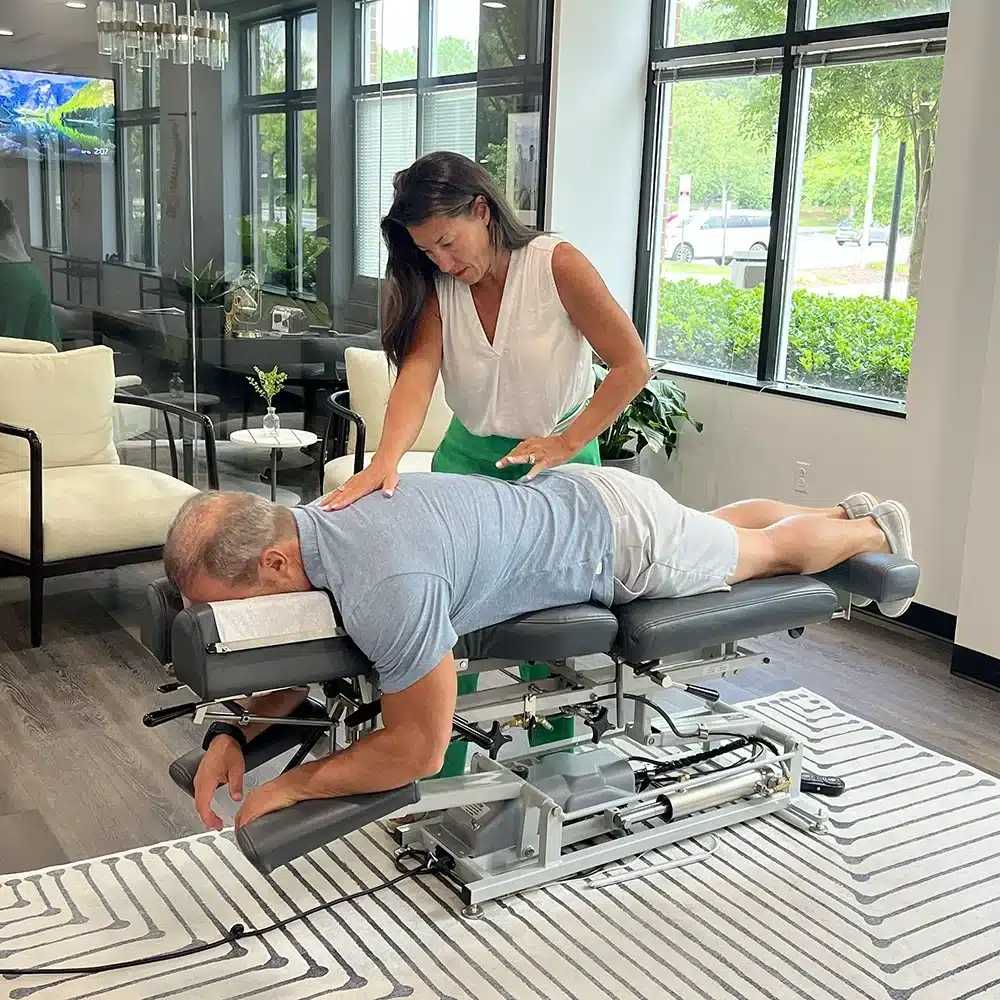
Chiropractic care may help address certain types of joint restriction and spinal discomfort, particularly when combined with movement, exercise, and healthy daily habits.
Potential Benefits of Chiropractic Care
✔ Supporting spinal mobility
Chiropractic adjustments may help improve movement in certain restricted spinal joints.
✔ Managing back and neck discomfort
For some individuals, spinal manipulation can provide modest improvements in pain and function, particularly for certain types of lower back pain.
✔ Addressing movement limitations
A chiropractic evaluation can help identify areas of stiffness or restricted movement that may be contributing to discomfort.
✔ Encouraging better movement habits
Chiropractic care can be combined with stretching, strengthening exercises, ergonomic improvements, and activity recommendations.
✔ Supporting an active lifestyle
Staying comfortable and mobile can make it easier to maintain regular physical activity throughout the colder months.
Chiropractic care is not a cure for arthritis or weather-related joint pain, but it may be a helpful component of an individualized musculoskeletal care plan.
5 Simple Ways to Keep Your Joints Moving This Fall
You don't have to completely change your routine to support your joints during the colder months.
Small, consistent habits can make a meaningful difference.
1. Start Your Morning With Gentle Movement
If you wake up feeling stiff, try spending five minutes moving before jumping into your day.
Consider:
- Gentle neck rotations
- Shoulder rolls
- Seated spinal rotations
- Standing hip circles
- An easy walk around the house
Start slowly and stay within a comfortable range of motion.
2. Warm Up Before Outdoor Activities
Whether you're going for a fall hike, playing with the kids, exercising outside, or working in the yard, take a few minutes to warm up.
Walking, light dynamic stretches, and gentle movements can help prepare your muscles and joints for activity.
3. Keep Moving Throughout the Day
One of the easiest ways to combat stiffness is to avoid sitting for extended periods.
If you work at a desk, try getting up regularly to walk, stretch, or change positions.
Even a few minutes of movement can help break up long periods of inactivity.
4. Support Your Joints With Strength Training
Strong muscles help support the joints they surround.
Simple exercises such as bodyweight squats, walking, resistance-band movements, and appropriately modified strength exercises can help maintain muscle strength and physical function.
Choose exercises appropriate for your fitness level, and modify movements that cause discomfort.
5. Prioritize Hydration, Nutrition, and Recovery
Healthy joints and muscles benefit from consistent daily habits.
Focus on:
- Drinking enough water throughout the day
- Eating a balanced diet with adequate protein
- Including omega-3-rich foods such as salmon, sardines, and walnuts
- Maintaining regular physical activity
- Getting consistent, quality sleep
- Allowing time for recovery between demanding workouts
These habits can help support your overall musculoskeletal health throughout the year.
Easy At-Home Stretches for Fall Joint Stiffness
Looking for a quick way to get moving? Try these gentle stretches and exercises.
Cat-Cow Stretch
Start on your hands and knees. Slowly alternate between gently rounding and arching your back. Repeat 8–10 times to encourage comfortable spinal movement.
Seated Spinal Rotation
Sit upright in a chair with your feet supported. Slowly rotate your upper body to one side, return to center, and repeat on the other side. Avoid forcing the movement.
Standing Hip Flexor Stretch
Step one foot backward into a split stance. Keeping your torso upright, gently shift your hips forward until you feel a comfortable stretch in the front of the back hip. Hold for 15–30 seconds and switch sides.
Shoulder Rolls
Slowly roll your shoulders backward 10 times, then forward 10 times. This is a simple way to add movement after sitting at a desk.
Gentle Walking
Sometimes the best exercise is the simplest. A 10–15 minute walk can help you warm up, move your joints, and break up long periods of sitting.
Remember: Stretches should feel comfortable, not painful. Stop if you experience sharp pain, dizziness, numbness, or worsening symptoms.
When Should You Have Joint Pain Evaluated?
Although occasional stiffness can be common, not every ache should be blamed on the weather.
Consider seeking a medical evaluation if you experience:
- Persistent or worsening joint pain
- Significant swelling or redness
- A joint that feels hot to the touch
- New weakness, numbness, or tingling
- Difficulty walking or performing everyday activities
- Pain following an injury
Severe pain, fever with a hot or swollen joint, or an inability to bear weight may require prompt medical attention.
Identifying the cause of discomfort is important before deciding which treatment approach is appropriate.
Don't Let Cooler Weather Slow You Down
Fall is a beautiful time of year, filled with outdoor activities, family gatherings, changing leaves, and new routines.
But as the temperatures drop, it's important to give your muscles and joints a little extra attention.
Stay active. Stretch regularly. Strengthen your muscles. Prioritize recovery. And pay attention to what your body is telling you.
At HFC Wellness, we're here to help you understand your spinal health, address musculoskeletal discomfort, and develop healthy movement habits that support your lifestyle.
Whether you're noticing increased stiffness as the weather changes or simply want to stay proactive about your mobility, our team is here to help.
Keep your body moving comfortably through every season.
Contact HFC Wellness at 804-270-6010 or speak with our front desk to schedule your next appointment.