



Back surgery can be life-changing for the right patient, but it is not always the first or only path for severe back pain. Many people with herniated discs, sciatica, degenerative disc disease, or nerve compression want to explore non-surgical back pain relief before considering procedures like microdiscectomy, laminectomy, or spinal fusion.
At Health First Chiropractic & Wellness in Glen Allen, VA, HillDT spinal decompression therapy offers a non-invasive option designed to reduce spinal pressure, support disc healing, and help appropriate patients pursue relief without surgery.
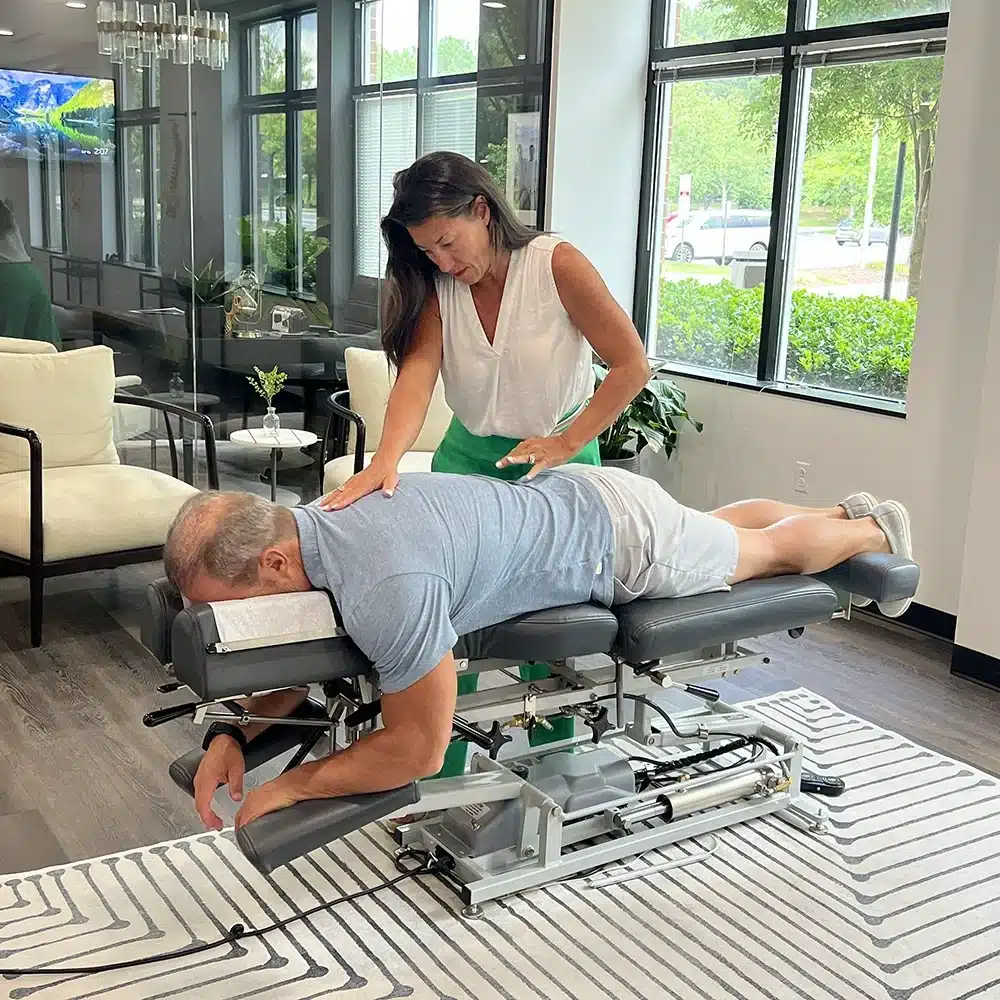
Yes, HillDT spinal decompression therapy may help many patients avoid or delay back surgery when their pain is caused by treatable disc-related conditions such as herniated discs, bulging discs, sciatica, or degenerative disc disease. Instead of using incisions, anesthesia, or hardware, HillDT therapy uses a computerized, load-sensing table to gently decompress the spine, reduce nerve pressure, and support non-invasive disc healing in appropriate candidates.
The Growing Desire for Non-Surgical Back Pain Relief
More patients are looking for conservative spine care before committing to surgery. This is especially true when pain affects daily life but does not involve emergency symptoms.
Back surgery may be necessary in certain cases, but it also comes with serious considerations. There may be downtime, post-surgical restrictions, scar tissue, medication use, and a long-term recovery process. For some patients, the thought of surgery creates fear, stress, and uncertainty.
Non-surgical options like HillDT spinal decompression therapy are designed for patients who want to address the root cause of disc-related pain without immediately moving toward invasive procedures.
This type of care may be considered for conditions such as:
- Herniated discs
- Bulging discs
- Sciatica
- Nerve root compression
- Degenerative disc disease
- Chronic lower back pain
- Disc-related neck pain
- Radiating leg pain
- Pain caused by spinal pressure
The goal is not to ignore surgery when it is truly needed. The goal is to explore all reasonable non-surgical paths first.
The Risks and Realities of Major Spinal Surgery
Spinal surgery can help certain patients, especially when there is severe nerve compression, progressive weakness, spinal instability, or emergency neurological symptoms. However, surgery is still a major decision.
Common surgical procedures for back pain and disc-related symptoms may include:
- Microdiscectomy, where part of a herniated disc is removed to relieve nerve pressure
- Laminectomy, where part of the vertebral bone is removed to create more space
- Spinal fusion, where two or more vertebrae are joined together to stabilize the spine
These procedures may help in the right cases, but they are not minor treatments. They often involve surgical risks, recovery time, and lifestyle adjustments after the procedure.
Long Recovery Times and Scar Tissue
One of the biggest concerns with spinal surgery is recovery.
Depending on the procedure, recovery may involve weeks or months of healing, limited movement, physical therapy, time away from work, and restrictions on lifting, bending, or twisting.
Surgery can also lead to scar tissue formation around the treated area. While scar tissue is part of the body’s natural healing process, it may sometimes contribute to stiffness, discomfort, or ongoing irritation.
Patients also need to consider the possibility of:
- Infection
- Nerve irritation
- Recurrent disc problems
- Continued pain
- Reduced spinal mobility
- Need for additional procedures
- Difficulty returning to normal activity quickly
This is why many patients want to know whether a spinal fusion alternative, microdiscectomy alternative, or laminectomy alternative may be appropriate before making a surgical decision.
What Is Failed Back Surgery Syndrome?
Failed back surgery syndrome, often shortened as FBSS, refers to persistent or recurring pain after one or more spinal surgeries. It does not always mean the surgeon made a mistake. It means the patient continues to experience back pain, leg pain, nerve symptoms, or reduced function after surgery.
FBSS can happen for different reasons, including:
- Scar tissue
- Recurrent disc herniation
- Ongoing nerve irritation
- Adjacent segment stress
- Incomplete pain relief
- New pain after surgery
- Structural issues that continue after the procedure
This is one reason it is important to carefully evaluate all options before choosing surgery. For many patients, a conservative approach may be worth trying first when there are no emergency warning signs.

How HillDT Therapy Supports Surgery-Level Goals Non-Invasively
The goal of many spinal surgeries is to reduce pressure on irritated nerves. HillDT spinal decompression therapy works toward a similar goal, but without incisions, anesthesia, or surgical hardware.
Instead of cutting tissue or removing part of a disc or bone, HillDT therapy uses a computerized decompression table to gently separate targeted spinal areas. This controlled decompression may help reduce pressure inside the disc and around the nerve root.
For patients with disc-related pain, the desired outcome is simple:
Reduce pressure.
Calm nerve irritation.
Support disc healing.
Improve mobility.
Help the patient return to daily life with less pain.
Reversing Disc Herniation Without Incisions
A herniated disc occurs when disc material moves beyond its normal boundary and irritates a nearby nerve. This can cause lower back pain, sciatica, numbness, tingling, or weakness.
HillDT spinal decompression is designed to create a controlled unloading effect in the spine. This may help reduce pressure inside the disc and encourage herniated or bulging disc material to move away from the irritated nerve area.
This is sometimes described as supporting non-invasive disc healing.
Unlike surgery, HillDT therapy does not remove disc material. Instead, it aims to create a better environment for the disc and nerve to recover naturally when the patient is a good candidate.
Restoring Spinal Mobility and Health Naturally
Back pain often causes people to move less. Over time, this can lead to stiffness, weakness, poor posture, and more pressure on the spine.
HillDT therapy may be part of a broader conservative care plan designed to improve spinal mobility and reduce pain without forcing the body through a surgical recovery process.
A complete plan may include:
- HillDT spinal decompression
- Chiropractic care
- Corrective exercises
- Posture guidance
- Core stability work
- Activity modification
- Hydration and recovery support
- Lifestyle recommendations
The goal is not just temporary pain relief. The goal is to help the spine function better so the patient can move, work, sleep, and live with less pain.
Signs You Are an Ideal Candidate for HillDT Therapy Before Considering Surgery
HillDT spinal decompression is not right for everyone, but it may be a strong option for patients with disc-related pain who want to avoid back surgery if possible.
You may be a good candidate if you have:
- A herniated disc
- A bulging disc
- Sciatica
- Pinched nerve symptoms
- Degenerative disc disease
- Chronic lower back pain
- Neck pain related to disc pressure
- Pain that travels into the leg or arm
- Numbness or tingling from nerve irritation
- Pain that has not improved with basic rest or medication
HillDT therapy may be especially worth discussing if your symptoms are significant but you have not been told that emergency surgery is required.
However, spinal decompression may not be appropriate for people with certain conditions, such as:
- Pregnancy
- Spinal fracture
- Severe osteoporosis
- Spinal tumor
- Spinal infection
- Unstable spinal conditions
- Certain implants
- Some prior spinal surgeries
- Severe neurological symptoms requiring urgent evaluation
A consultation is important because the best treatment depends on your diagnosis, imaging, symptoms, and overall health history.
Comparing the Two Options: HillDT vs. Back Surgery
| Factor | HillDT Spinal Decompression | Back Surgery |
| Treatment Type | Non-invasive therapy | Invasive procedure |
| Incisions | None | Usually required |
| Anesthesia | Not typically needed | Often required |
| Recovery Time | Minimal downtime for many patients | Can involve weeks or months |
| Primary Goal | Reduce disc and nerve pressure conservatively | Surgically relieve nerve or spinal pressure |
| Risk Level | Lower risk for appropriate candidates | Higher surgical risks |
| Scar Tissue | No surgical scar tissue | Possible scar tissue formation |
| Mobility Impact | Designed to support movement and function | May require activity restrictions |
| Cost Consideration | Often less expensive than surgery | Usually higher total cost |
| Best Fit | Disc-related pain without emergency signs | Severe or progressive cases that require surgery |
HillDT therapy is not a replacement for emergency or medically necessary surgery. However, it may be a valuable option for patients who want to try non-surgical treatment before making a major surgical decision.
Frequently Asked Questions
Can I try HillDT therapy if I’ve already had back surgery?
Possibly, but it depends on the type of surgery and your current spine condition.
Some patients with a history of surgery may not be candidates for decompression therapy, especially if they have spinal fusion, certain hardware, instability, or other complications. Others may still be evaluated for conservative care depending on their case.
Always tell your provider about any prior surgery, implants, imaging results, and current symptoms before starting treatment.
What is the success rate of avoiding surgery using the HillDT table?
There is no single success rate that applies to every patient. Results depend on the diagnosis, severity of the disc problem, duration of symptoms, treatment consistency, age, lifestyle, and whether the patient is a good candidate for spinal decompression.
Some patients respond very well to non-surgical spinal decompression and may avoid or delay surgery. Others may still need additional medical care if symptoms do not improve.
The best way to understand your chances is to schedule an evaluation and determine whether your pain is coming from a condition that HillDT therapy is designed to address.
At what point is back surgery genuinely the only option left?
Back surgery may be necessary when there are serious or progressive symptoms that cannot be safely managed with conservative care.
Warning signs may include:
Loss of bowel or bladder control
Progressive leg weakness
Severe nerve compression
Spinal cord compression
Severe spinal instability
Symptoms that continue to worsen despite appropriate care
Pain that prevents basic daily function and does not respond to conservative treatment
If you have sudden weakness, numbness in the groin area, loss of bladder or bowel control, or severe worsening symptoms, seek urgent medical care.
Conclusion: Explore All Non-Surgical Paths First
Back surgery has its place, but it should not always be the first step for disc-related back pain, sciatica, or nerve compression.
HillDT spinal decompression therapy offers a non-invasive way to reduce spinal pressure, support disc healing, and help appropriate patients explore relief before choosing procedures like microdiscectomy, laminectomy, or spinal fusion.
At Health First Chiropractic & Wellness, we help patients in Glen Allen, VA, and nearby communities understand their options clearly. Our goal is to help you make an informed decision about your spine, your pain, and your future.
If you are trying to avoid back surgery and want to know whether HillDT decompression therapy may be right for you, schedule a consultation today.
Explore your non-surgical options first and take the next step toward lasting back pain relief.