




Can Chiropractic Care Help Lower Back Pain? What Research Says
Lower back pain is one of the most common reasons people miss work, avoid exercise, or struggle with normal daily activities. It can make simple things like sitting, bending, walking, or sleeping feel harder than they should.
For many people, the goal is simple: find relief without relying only on medication or jumping straight to surgery.
That is why many patients look into chiropractic care for lower back pain. Chiropractic care is a conservative, non-surgical back pain treatment option that often focuses on spinal manipulation, mobility, posture, muscle tension, and better movement.
But what does the research actually say?
The answer is balanced. Chiropractic care may help many people with lower back pain relief, especially when it is part of a full plan that includes movement, stretching, exercise, and lifestyle changes. It is not a cure for every type of back pain, and results can vary from person to person.
This guide explains what chiropractic care can help with, what research supports, what the risks are, and when you should seek medical attention.
What Is Chiropractic Care?
Chiropractic care is a hands-on healthcare approach that focuses on the spine, joints, muscles, and nervous system.
For lower back pain, chiropractors often look at how the lumbar spine moves, how the hips and pelvis are aligned, and how posture or muscle tension may be affecting pain.
How Chiropractic Treatment Works
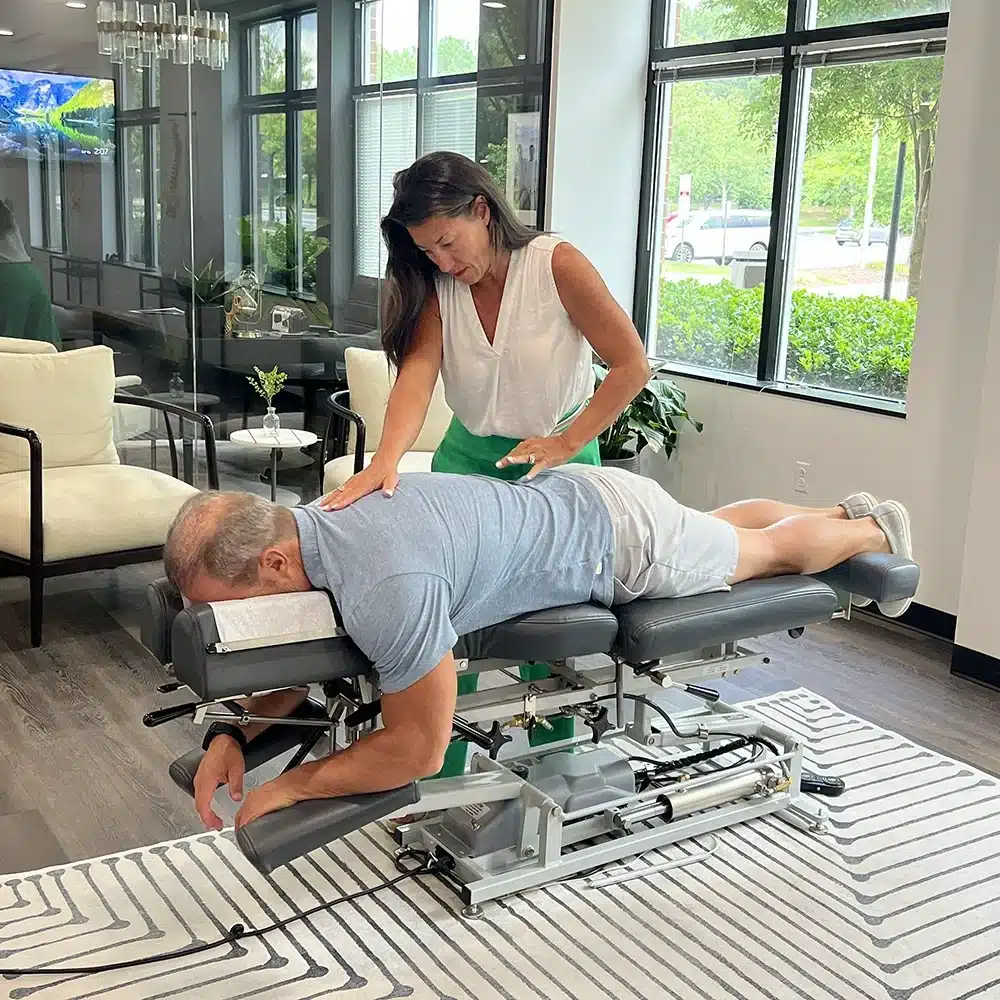
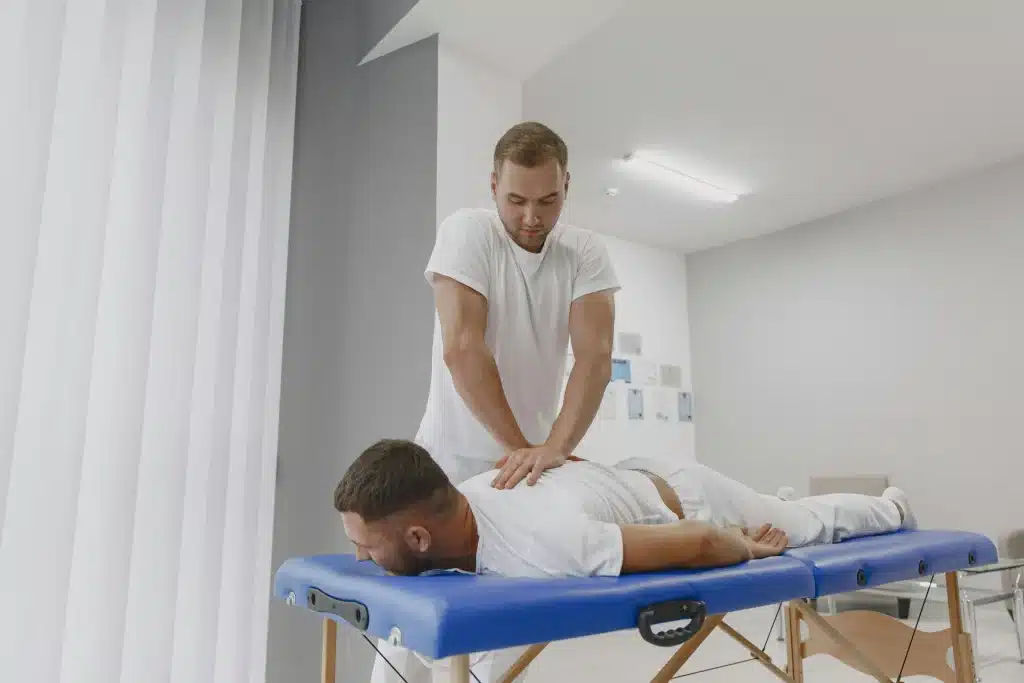
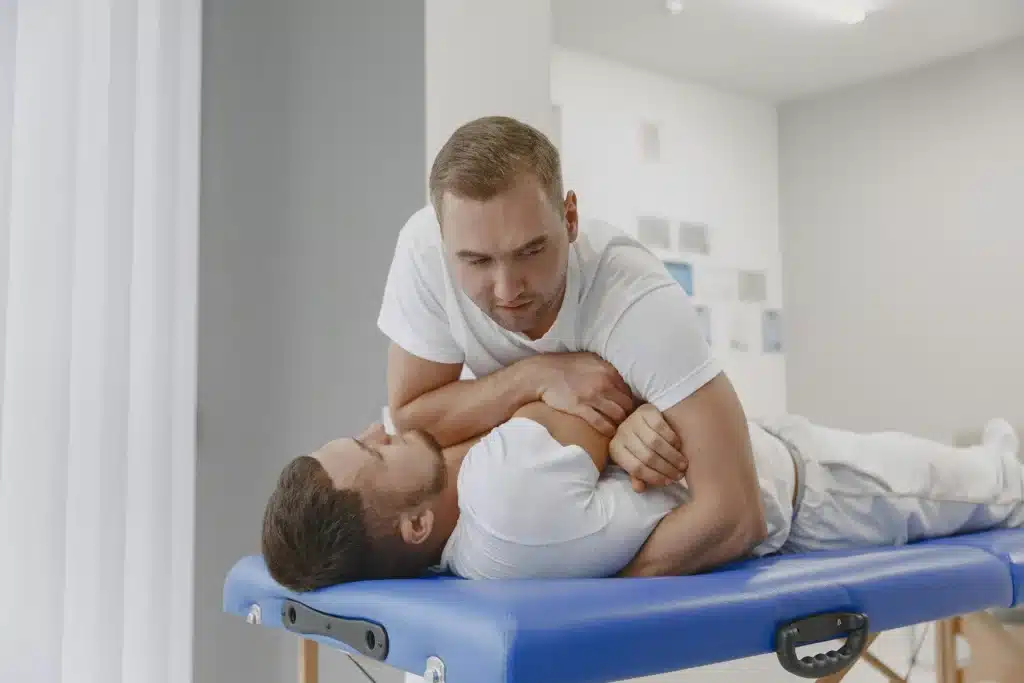
One of the most common chiropractic treatments is spinal manipulation, also called a chiropractic adjustment.
A chiropractic adjustment uses controlled movement to help improve joint motion and reduce stiffness. The goal is not just to “crack the back.” The goal is to improve how the spine and surrounding joints move.
A treatment plan may also include:
- Stretches
- Posture advice
- Lower back exercises
- Core strengthening
- Lifestyle changes
- Ergonomic recommendations
- Mobility work
- Soft tissue therapy
Many chiropractors combine spinal manipulation with home exercises and daily habit changes because lower back pain often comes from more than one cause.
Common Causes of Lower Back Pain Chiropractors Treat
Chiropractors may help with several common causes of lower back pain, including:
- Muscle strain
- Poor posture
- Sitting too long
- Weak core muscles
- Herniated disc pain
- Sciatica
- Repetitive work injuries
- Sedentary lifestyle
- Lower back stiffness
- Limited spinal mobility
Some cases are simple muscle or joint problems. Others involve nerve irritation or disc-related pain. That is why a proper assessment matters before starting treatment.
What Research Says About Chiropractic Care for Lower Back Pain
Research on chiropractic care is generally supportive for some types of lower back pain, but it is not one-size-fits-all.
Clinical guidelines from the American College of Physicians recommend non-drug therapies for acute and subacute low back pain, including spinal manipulation, along with options like superficial heat, massage, and acupuncture.
Studies Show Moderate Relief for Many Patients
Research suggests that spinal manipulation may help improve pain and function for some patients with lower back pain.
A JAMA systematic review and meta-analysis found that spinal manipulative therapy was associated with modest improvements in pain and function for acute low back pain. The review also noted that temporary side effects, such as soreness, stiffness, or increased pain, were reported in some studies.
This means chiropractic care may help with:
- Pain levels
- Mobility
- Daily function
- Lower back stiffness
- Movement-related discomfort
However, results vary. Some people respond quickly. Others need a broader plan that includes exercise, posture correction, or other care.
A 2025 University Hospitals report also discussed research suggesting an association between spinal manipulative therapy and a lower risk of opioid use disorder among people with newly diagnosed low back pain. This does not prove chiropractic care prevents opioid issues by itself, but it supports the role of non-drug options in back pain management.
Chiropractic Care Works Best as Part of a Full Plan
Chiropractic care often works best when it is not the only strategy.
Lower back pain can come from weak muscles, poor posture, tight hips, poor lifting habits, sitting too long, or repetitive strain. If those issues are not addressed, pain may return.
A complete plan may include:
- Chiropractic adjustments
- Physical therapy
- Stretching
- Strength training
- Walking
- Ergonomic changes
- Posture correction
- Core strengthening
This is why evidence-based chiropractic care should focus on both symptom relief and long-term movement improvement.
Benefits of Chiropractic Care for Lower Back Pain
Chiropractic care may offer several benefits for people dealing with lower back pain.
Drug-Free Pain Relief
Many people want natural back pain relief because they do not want to rely on medication long term.
Chiropractic care may help reduce pain through spinal manipulation, movement improvement, and muscle tension relief. For some patients, this can be part of a natural pain management plan.
This does not mean medication is never needed. But for many cases of lower back pain, conservative care may be a reasonable first step when there are no serious warning signs.
Better Mobility and Function
Lower back pain can limit normal movement.
You may struggle with:
- Walking
- Bending
- Sitting
- Sleeping
- Driving
- Exercising
- Standing for long periods
Chiropractic treatment may help improve mobility by addressing stiffness, joint movement, and muscle tension.
Better movement often leads to better quality of life.
Personalized Treatment Plans
Not all lower back pain is the same.
One person may have pain from poor posture. Another may have pain from sciatica. Someone else may have chronic low back pain from years of repetitive work strain.
A chiropractor should assess your symptoms, lifestyle, movement patterns, and health history before recommending care.
A personalized plan may include:
- Spinal adjustments
- Home exercises
- Stretching guidance
- Workstation changes
- Sleep position tips
- Lifting advice
- Follow-up care
The best treatment plan is based on the person, not just the pain location.
Are Chiropractic Adjustments Safe?
For many people, chiropractic adjustments are considered safe when performed by a properly trained and licensed provider.
Still, every treatment has risks, and patients should understand them before starting care.
What the Research Says About Safety
Most side effects from spinal manipulation are mild and short-term.
These may include:
- Temporary soreness
- Stiffness
- Mild discomfort
- Tiredness after treatment
The JAMA review on spinal manipulation for acute low back pain reported that adverse events were usually temporary and musculoskeletal, such as increased pain, stiffness, or headache.
Serious complications are rare, but they can happen, especially if someone has an underlying condition that makes spinal manipulation unsafe.
Who Should Avoid Chiropractic Care?
Chiropractic care may not be appropriate for everyone.
People with certain conditions should be evaluated carefully before receiving spinal manipulation, including:
- Severe osteoporosis
- Spinal fractures
- Spinal infections
- Certain cancers affecting the spine
- Serious nerve emergencies
- Severe or progressive neurological symptoms
- Recent major trauma
This is why honest health history and proper diagnosis are important.
Warning Signs That Need Medical Attention
Some lower back pain symptoms should not be treated casually.
Seek urgent medical care if you have:
- Loss of bladder control
- Loss of bowel control
- Severe leg weakness
- Numbness in the groin area
- Fever with back pain
- Sudden severe pain after injury
- Pain with unexplained weight loss
These symptoms may point to a more serious condition that needs immediate medical evaluation.
When Chiropractic Care May Help Most
Chiropractic care may be helpful for several types of lower back pain, especially when the pain is related to movement, stiffness, posture, or mechanical stress.
Acute Lower Back Pain
Acute lower back pain usually lasts less than 6 weeks.
It may happen after:
- Lifting something heavy
- Twisting awkwardly
- Sitting too long
- Sleeping in a poor position
- Muscle strain
- Sudden movement
Clinical guidelines support non-drug treatment options, including spinal manipulation, for acute and subacute low back pain.
For many people, acute back pain improves with conservative care, movement, and time.
Chronic Lower Back Pain
Chronic low back pain lasts longer than 12 weeks.
This type of pain often needs a long-term strategy. A quick adjustment may help temporarily, but lasting improvement usually requires better movement habits, exercise, posture correction, and consistent care.
Chiropractic care may be part of a chronic pain relief plan, especially when combined with:
- Core strengthening
- Walking
- Stretching
- Weight management
- Ergonomic changes
- Stress reduction
Sciatica and Nerve Irritation
Sciatica happens when the sciatic nerve or related nerve roots become irritated.
This can cause pain that travels from the lower back into the hip, buttock, or leg.
Chiropractic care may help some cases of sciatica by improving spinal alignment, reducing mechanical stress, and supporting better movement. However, the cause matters.
Sciatica from a mild mechanical issue may respond differently than sciatica from severe disc damage or progressive nerve compression.
When Chiropractic Care May Not Be Enough
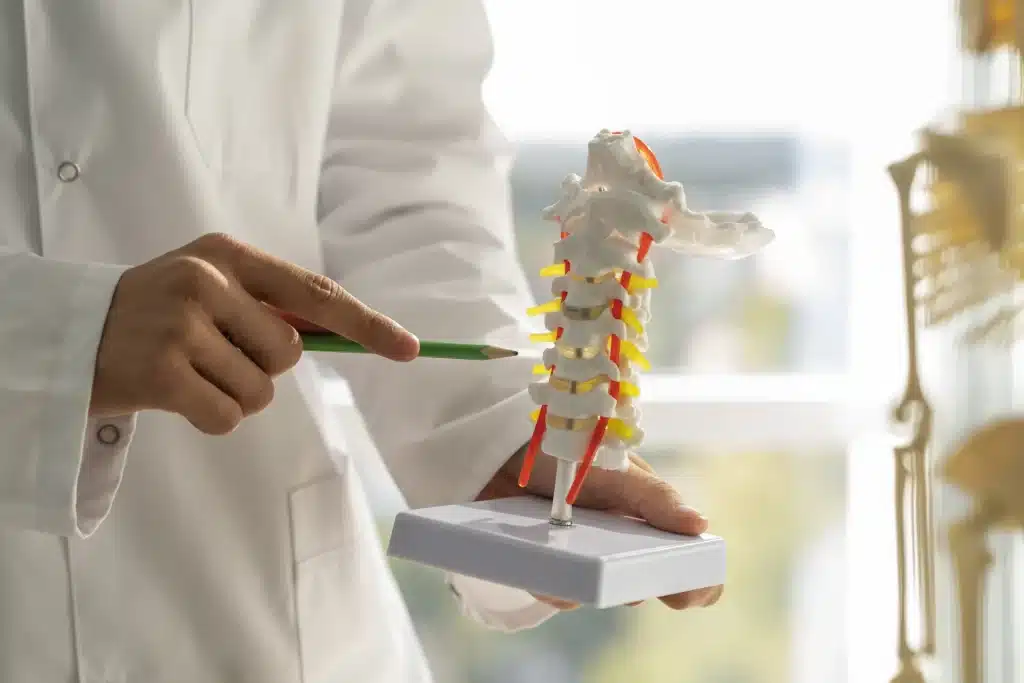
Chiropractic care is not the answer for every back problem.
Some conditions need medical care, imaging, medication, injections, or surgery.
Conditions That Need Medical or Surgical Care
Chiropractic care may not be enough for:
- Spinal fractures
- Cancer-related back pain
- Severe disc damage
- Spinal infections
- Progressive neurological symptoms
- Severe nerve compression
- Serious trauma-related injuries
If symptoms are severe, worsening, or unusual, a medical evaluation is important.
The Importance of Proper Diagnosis
The first step in any safe back pain treatment plan is understanding the cause.
A proper diagnosis may include:
- Health history
- Physical exam
- Movement testing
- Neurological checks
- Imaging when needed
- Referral to a spine specialist when appropriate
Good care should be collaborative. A chiropractor should refer out when symptoms suggest a condition outside the scope of chiropractic care.
What to Expect During a Chiropractic Visit
If you have never been to a chiropractor, the first visit usually starts with an evaluation.
The goal is to understand your symptoms and decide whether chiropractic care is appropriate.
First Appointment
Your first visit may include:
- Health history
- Review of symptoms
- Posture check
- Physical exam
- Movement testing
- Range of motion testing
- Muscle strength checks
- Reflex checks
- Discussion of your daily habits
The chiropractor may ask questions like:
- When did the pain start?
- Where do you feel it?
- Does it travel down the leg?
- What makes it better or worse?
- Have you had this before?
- Does it affect sleep or work?
This helps guide the treatment plan.
Treatment Plan and Follow-Up
Your treatment plan may include:
- Visit frequency
- Home exercises
- Stretching
- Posture changes
- Recovery expectations
- Follow-up evaluations
Some people may need only a few visits. Others with chronic low back pain may need a longer plan that includes strengthening and lifestyle changes.
Recovery depends on the cause of pain, how long it has been present, and how well the patient follows the plan.
Questions Patients Should Ask
Before starting care, ask:
- Is my condition appropriate for chiropractic care?
- What results should I expect?
- How long will treatment take?
- What can I do at home?
- Are there movements I should avoid?
- Do I need imaging?
- When should I see a medical doctor?
Clear answers help build trust and set realistic expectations.

Simple Ways to Support Lower Back Health at Home
Chiropractic care can help, but your daily habits matter too.
What you do between visits can affect your recovery.
Daily Habits That Protect the Spine
Try these simple habits:
- Walk daily
- Stretch gently
- Strengthen your core
- Practice good posture
- Avoid sitting too long
- Use lumbar support
- Stay hydrated
- Move every 30 to 60 minutes
- Avoid twisting while lifting
Small habits can reduce stress on the spine and support long-term lower back pain relief.
Lifestyle Changes That Reduce Flare-Ups
To reduce flare-ups, focus on your daily environment.
Helpful changes include:
- Improve your workstation setup
- Keep your screen at eye level
- Sleep with proper pillow support
- Lift with your legs, not your back
- Keep heavy items close to your body
- Stretch after long periods of sitting
- Strengthen your glutes and core
Lower back exercises, posture support, and healthy movement patterns can make a big difference over time.
Final Thoughts: Is Chiropractic Care Worth Trying for Lower Back Pain?
Chiropractic care may be worth trying for many people with lower back pain, especially when the pain is related to stiffness, poor movement, posture, muscle tension, or mechanical strain.
Research supports spinal manipulation as one conservative treatment option for acute and chronic low back pain, but results vary. Chiropractic care is not a cure-all, and it may not be enough for severe injuries, serious nerve symptoms, infections, fractures, or other complex conditions.
The best approach is evidence-based and personalized.
For many patients, chiropractic care works best when combined with movement, stretching, core strengthening, posture correction, and better daily habits.
If your lower back pain keeps coming back, affects your sleep, travels down your leg, or limits your daily life, getting evaluated can help you understand the cause and choose the right path forward.