



Spinal Decompression
Non-Surgical Relief For Bulging, Herniated, & Degenerating Discs
A Comprehensive Guide to Non-Surgical Spinal Decompression Therapy
Chronic back, neck, or sciatic pain can be debilitating, often leading individuals to believe that surgery is their only option.
However, non-surgical spinal decompression therapy has emerged as a leading, effective alternative for many patients seeking relief. This guide explores what spinal decompression is, how it works, who it can help, and why it's a preferred first-line treatment.
What is Non-Surgical Spinal Decompression?
Spinal Decompression therapy, also known as non-surgical spinal decompression, is a practice that utilizes spinal decompression tables to relieve pain by creating a scenario in which bulging or herniated disc tissue is able to move back into place and heal, alleviating the pain this condition causes.
As the decompression table stretches the spine, negative pressure is created within the spinal discs, which can result in the retraction or repositioning of the disc material, leading to pain relief. In addition, the lower pressure within the disc can cause an influx of healing nutrients to the disc, to promote further relief even when the patient is not on the table.
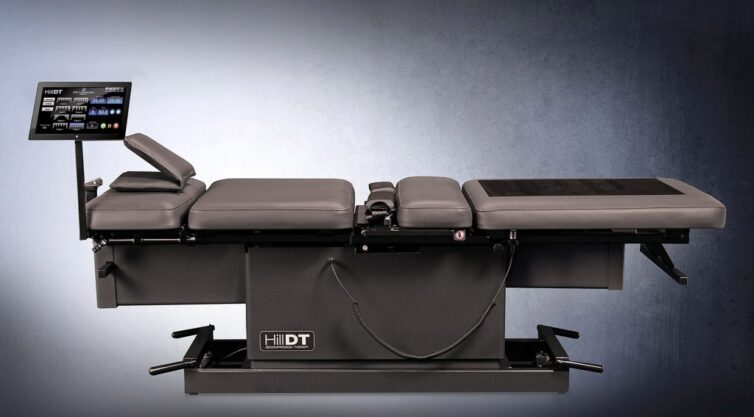
Spinal decompression therapy aims to help patients who suffer from debilitating pain due to bulging, degenerating, or herniated discs. It can also be used for the pain management and treatment of many causes of sciatica, injured or diseased spinal nerve roots, and worn spinal joints.
How Does the Therapy Work? The Science of Relief
The process is far more sophisticated than simple traction. A state-of-the-art decompression table, like the Hill DT, uses a computer to apply a precise, targeted stretch to the spine.
The therapy works through two primary mechanisms:
- Mechanical Decompression: As the table stretches the spine, it creates intradiscal vacuum pressure. This "negative pressure" can effectively suck the gel-like center of a disc (the nucleus pulposus) back inside, reducing the size of bulges or herniations and taking pressure off spinal nerves.
- Enhanced Healing: The lower pressure within the disc also acts like a sponge, drawing in oxygen, fluids, and nutrients from the body. This nutrient-rich environment helps to repair damaged disc fibers and reduce inflammation, promoting long-term healing even when the patient is not on the table.
Who is an Ideal Candidate for Spinal Decompression?
This therapy is specifically designed for patients suffering from pain caused by disc-related and spinal joint issues. It is particularly effective for managing and treating:
- Bulging or Herniated Discs
- Degenerative Disc Disease
- Pinched Nerves (Sciatica)
- Injured or Diseased Spinal Nerve Roots
- Posterior Facet Syndrome (worn spinal joints)
- Chronic arm, neck, or leg pain originating from the spine
The Treatment Process: What to Expect
A typical spinal decompression treatment plan is painless and relaxing. Patients remain fully clothed and lie on the decompression table, secured by a harness system.
- Initial Consultation: A thorough examination, including a review of MRI or X-ray results, is conducted to confirm you are a suitable candidate.
- On the Table: You will lie comfortably on the decompression table. A harness is fitted around your pelvis and/or torso to ensure targeted treatment.
- Computer-Controlled Sessions: The practitioner will program the table based on your specific condition. The computer will then gently stretch and relax the spine in a precise, rhythmic pattern, avoiding muscle guarding.
- Complementary Therapies: Treatment sessions are often complemented with other modalities like electrical stimulation, heat therapy, or cold therapy to enhance results.
- Treatment Plan: A full treatment plan typically consists of 15-25 sessions over several weeks to achieve optimal, lasting relief.
Surgical vs. Non-Surgical Decompression: A Critical Distinction
It is crucial to understand the difference between these two approaches.
- Non-Surgical Spinal Decompression is a safe, affordable, and non-invasive treatment option. It carries minimal risk and no downtime, making it a viable and effective treatment at almost any stage of back pain.
- Surgical Spinal Decompression (e.g., laminectomy, microdiscectomy) is an invasive procedure often considered a last resort due to inherent risks such as infection, bleeding, failed back surgery syndrome, and a lengthy recovery period.
Non-surgical decompression provides a powerful alternative that can help patients avoid the risks and costs of surgery altogether.
Why the Hill DT Table is the Gold Standard
The technology behind the decompression table matters. The Hill DT Spinal Decompression table is engineered for superior efficacy and patient comfort. Its advanced design allows for precise lumbar and cervical decompression, making the treatment so effective that patients experience significant pain relief and often wish they had sought treatment sooner.
By investing in the Hill DT system, practitioners can offer a top-tier solution that builds patient trust and delivers outstanding clinical outcomes.
If you are suffering from chronic spinal pain, consult with a healthcare provider specializing in non-surgical spinal decompression to see if this revolutionary therapy is right for you.
Frequently Asked Questions on
Spinal Decompression Therapy
Does spinal decompression therapy really work?
Is spinal decompression therapy painful?
How many sessions of spinal decompression are needed?
What is the success rate of non-surgical spinal decompression?
Who should not have spinal decompression therapy?
Can I go back to work after a session?
Can I go back to work after a session?
What is the difference between spinal decompression and a regular traction table?
What is the difference between spinal decompression and a regular traction table?
How is Nonsurgical Spinal Decompression Performed at HFC Wellness?
1. Preparation: You remain fully clothed while lying on a specialized decompression table, such as the Hill DT. Depending on whether you are treating a neck (cervical) or back (lumbar) issue, a comfortable harness is fitted to stabilize your body and ensure the force is directed exactly where it’s needed.
2.Computerized Precision: The practitioner inputs your specific spinal data into the system. The table then uses advanced sensors to apply a precise, rhythmic pull. The technology is so sensitive that it can detect if your muscles are tensing up (muscle guarding) and will adjust the tension instantly to keep your body relaxed.
3. The "Vacuum" Phase: As the table gently stretches the spine, it creates negative pressure within the targeted spinal discs. This vacuum effect encourages bulging or herniated disc material to retract back toward the center of the disc.
4. The Healing Cycle: Each session lasts roughly 15 to 30 minutes, alternating between periods of stretching and relaxation. This "pumping" action flushes the disc with oxygen and nutrient-rich fluids to promote natural repair.
