




Introduction: The Case for Non-Drug Back Pain Relief
Back pain is one of the most common reasons people miss work, avoid activity, and rely on pain medication. While medications can provide short-term relief, they don’t address the root causes of pain—and long-term reliance may come with risks. Fortunately, many people find lasting relief through natural, non-drug strategies that support healing, reduce inflammation, and restore healthy movement.
Understanding Back Pain and the Role of Inflammation
Back pain often stems from inflammation, muscle tension, joint stiffness, disc issues, or poor movement patterns. When tissues become irritated or overworked, inflammation increases pain sensitivity and limits mobility. Reducing inflammation naturally—through movement, circulation, and healthy habits—can help calm pain and support recovery.
The Risks of Long-Term Pain Medication Use (NSAIDs and Opioids)
While over-the-counter NSAIDs and prescription opioids can reduce pain temporarily, long-term use may increase the risk of stomach irritation, kidney or liver issues, dependency, and reduced pain tolerance over time. This is why many healthcare providers encourage non-drug approaches as part of a sustainable pain management plan.
When to Consult a Doctor (And What to Expect)
If back pain is severe, worsening, persistent beyond a few weeks, or accompanied by numbness, weakness, or changes in bowel/bladder function, professional evaluation is important. A clinician can assess underlying causes and recommend appropriate, non-invasive treatments.
Foundational Non-Invasive Physical Treatments
Physical Therapy: The Cornerstone of Recovery
Physical therapy focuses on restoring movement, strengthening supportive muscles, and correcting imbalances that contribute to back pain.
Targeted Core Strengthening Exercises
A strong core supports the spine and reduces strain on the lower back. Exercises that build stability in the abdominal, hip, and back muscles can improve posture and reduce recurring pain episodes.
Flexibility and Back-Specific Stretching Routines
Gentle stretching helps relieve muscle tightness, improve range of motion, and reduce joint stiffness. Targeted routines for the hips, hamstrings, and lower back can ease tension that contributes to discomfort.
Manual Therapies
Chiropractic Care and Spinal Manipulation
Chiropractic care may help improve spinal mobility, reduce joint restrictions, and support healthier movement patterns. Many people find manual adjustments helpful for relieving stiffness and restoring function.
Massage Therapy for Muscle Relaxation and Circulation
Massage therapy promotes circulation, reduces muscle tension, and helps calm the nervous system—often leading to short-term pain relief and improved mobility.
Acupuncture and Dry Needling
These techniques may help reduce pain by stimulating specific points or releasing tight muscle trigger points. Some individuals experience improved circulation and reduced muscle guarding after sessions.
Effective Home Remedies and Self-Care
Utilizing Heat and Cold Therapy
Applying Ice for Acute Pain and Swelling
Cold therapy can reduce inflammation and numb sore tissues after flare-ups or minor injuries. Apply for 10–15 minutes at a time.
Using Heat for Chronic Stiffness and Muscle Tension
Heat therapy relaxes tight muscles and improves blood flow. Warm packs or showers can ease stiffness, especially before movement or stretching.
The Power of Movement (Staying Active)
Low-Impact Activities (Walking, Swimming, and Cycling)
Gentle activity promotes circulation, prevents stiffness, and helps maintain spinal health without overloading joints. Consistent movement often reduces pain sensitivity over time.
Incorporating Yoga and Tai Chi
These practices combine gentle movement, flexibility, balance, and breathing—supporting mobility and stress reduction for chronic back pain sufferers.
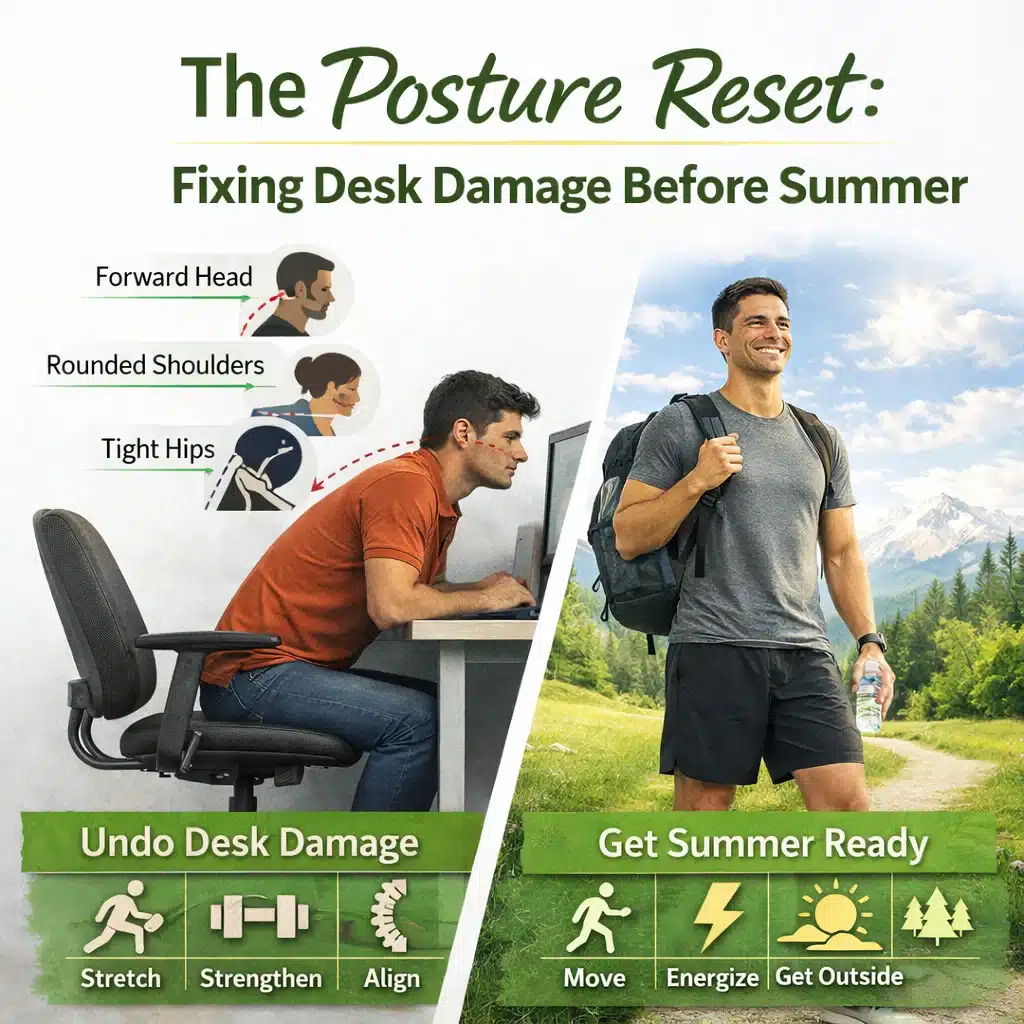
Posture Correction and Ergonomics
Proper Sitting, Standing, and Lifting Techniques
Maintaining neutral spine alignment while sitting and standing reduces daily strain on the back. When lifting, bending at the hips and knees helps protect the spine.
Optimizing Your Sleep Position and Mattress
Sleeping with proper support—such as a pillow between the knees for side sleepers—can reduce overnight strain. A supportive mattress can also improve spinal alignment during rest.
Lifestyle and Nutritional Strategies to Fight Pain
Maintaining a Healthy Weight to Reduce Spinal Strain
Excess weight increases mechanical load on the spine and joints. Even modest weight management can reduce daily stress on the back.
Adopting an Anti-Inflammatory Diet
Foods rich in omega-3s, leafy greens, berries, and whole grains may help reduce systemic inflammation. Limiting processed foods and excess sugar can support overall pain management.
Key Supplements for Bone and Muscle Health (Vitamin D, Calcium, Magnesium)
When appropriate and guided by a healthcare professional, supplements may support bone density, muscle function, and neuromuscular health—especially in individuals with deficiencies.
Mind-Body Techniques for Pain Management
Chronic back pain isn’t just physical—it affects the nervous system and stress response. Mind-body strategies can help reduce pain perception and muscle tension. For a simple guided approach to back pain relief through relaxation and movement, you may find this video helpful:
👉 https://www.youtube.com/watch?v=9QRaetOCbwo
Mindfulness and Meditation
Mindfulness practices can reduce pain-related stress, improve body awareness, and help people respond to discomfort with less tension.
Cognitive Behavioral Therapy (CBT) and Biofeedback
CBT helps reframe pain-related thought patterns, while biofeedback teaches awareness and control of muscle tension and stress responses—both can reduce pain severity over time.
Deep Breathing and Relaxation Exercises
Slow, diaphragmatic breathing calms the nervous system and reduces muscle guarding, which can ease pain during flare-ups.
Conclusion: Taking Control of Your Pain Journey
Back pain doesn’t have to mean a lifetime of medication. By combining movement, manual therapies, posture awareness, lifestyle changes, and mind-body strategies, many people find meaningful, long-term relief—naturally.
Developing a Sustainable, Long-Term Back Pain Prevention Plan
The most effective pain management plans are consistent and personalized. Building daily habits around gentle movement, core strength, posture, stress management, and healthy nutrition can help reduce flare-ups and support long-term spinal health. If pain persists, a professional evaluation can guide a tailored, non-invasive care plan.
Frequently Asked Questions (FAQ)
Can back pain be treated effectively without medication?
Yes. Many people experience significant relief through non-drug strategies such as physical therapy, targeted exercises, posture correction, manual therapies, and lifestyle changes. These approaches address root causes rather than masking pain.
How long does natural back pain relief take to work?
Relief timelines vary. Some people notice improvement within days, while others experience gradual progress over several weeks. Consistency with movement, posture, and self-care is key to long-term results.
Is movement safe when I have back pain?
In most cases, gentle movement is beneficial and helps prevent stiffness. Low-impact activities like walking and swimming can support recovery. Severe pain or neurological symptoms should be evaluated before starting new activity.
What is the best sleeping position for back pain?
Side sleeping with a pillow between the knees or back sleeping with a pillow under the knees can help maintain spinal alignment and reduce overnight strain.
When should I consider professional care instead of home remedies?
If pain persists beyond a few weeks, worsens, or is accompanied by numbness, weakness, or bowel/bladder changes, professional evaluation is recommended.