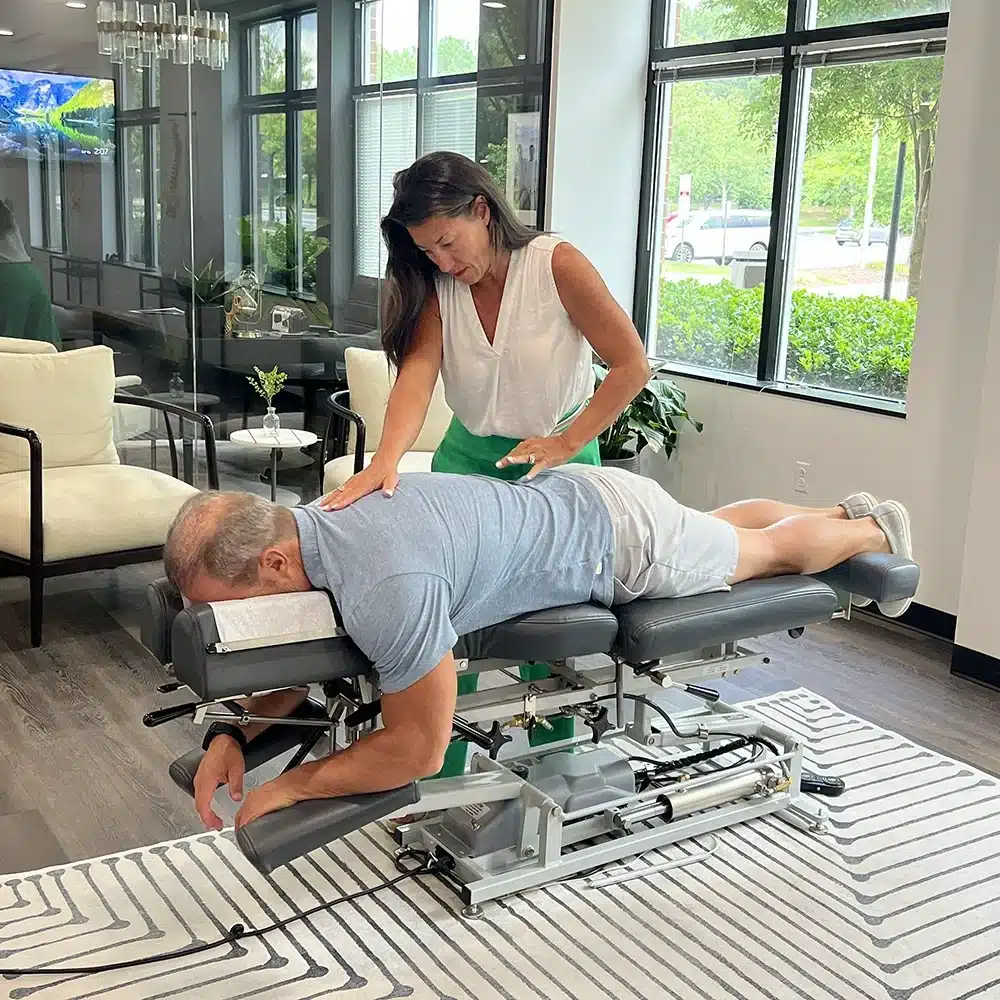






What Does a HillDT Spinal Decompression Session Actually Feel Like?
If you are considering spinal decompression therapy for back pain, neck pain, sciatica, or disc-related symptoms, it is normal to feel unsure about what the first session will be like. Many patients imagine something uncomfortable, intense, or intimidating.
The good news is that a HillDT spinal decompression session is designed to feel gentle, controlled, and relaxing. At Health First Chiropractic & Wellness in Glen Allen, VA, we walk patients through every step so they know what to expect before treatment begins.
A HillDT spinal decompression session is typically not painful and is often described as a deep, relaxing stretch. Patients usually feel a gentle, rhythmic pulling sensation in the lower back or neck as the computerized table moves through controlled pull-and-release cycles. Because the table monitors treatment force and patient resistance, many people find the session calm, comfortable, and easy to relax through during their 20-to-30-minute treatment.
Introduction: Overcoming the Fear of the Unknown
Trying a new treatment can feel intimidating, especially when it involves your spine. Many patients ask the same questions before their first HillDT session:
Will it hurt?
Will I be strapped down?
Will I feel trapped?
What if the table pulls too hard?
What happens after the treatment?
These are valid concerns. Your spine is sensitive, and if you are already dealing with pain, the last thing you want is a treatment that makes you feel worse.
HillDT spinal decompression is different from aggressive stretching or old-style traction. The table is computerized, controlled, and designed to apply a gentle decompression force to the targeted area of the spine. Instead of forcing the body into a painful pull, the treatment is adjusted based on your condition, comfort level, and response.
For many patients, the experience feels more like a slow, rhythmic stretch than a medical procedure.

Step-by-Step Walkthrough of Your First Session
Your first session is not rushed. Before treatment begins, the provider will review your symptoms, discuss your health history, and make sure spinal decompression is appropriate for your condition.
The goal is to create a comfortable and personalized setup before the table begins moving.
Step 1: Getting Fitted into the Specialized Harnesses
For lower back decompression, you will usually lie comfortably on the HillDT table while a specialized decompression harness is positioned around your body. This may include a pelvic restraint or pelvic harness that helps stabilize the lower body during treatment.
The harness is not meant to hurt or squeeze tightly. Its purpose is to keep your body properly positioned so the table can gently focus the decompression force on the intended area of the lumbar spine.
For neck-related symptoms, the setup may involve a cervical cradle instead of a lower back harness. The cervical cradle supports the head and neck while the table applies a controlled decompression force to the cervical spine.
During this step, you may feel secure, but you should not feel trapped. You can communicate with the provider at any time if something feels too tight, awkward, or uncomfortable.
Step 2: Finding the Perfect Angle on the HillDT Table
Once you are positioned, the provider adjusts the table based on your treatment plan. The angle matters because different spinal conditions may require different positioning.
For example, someone with lower back disc pressure may need a different setup than someone with neck pain or sciatic nerve irritation.
The provider may adjust:
- Body position
- Treatment angle
- Decompression force
- Pull-and-release cycles
- Session duration
- Lumbar or cervical targeting
- Comfort supports
This is one of the biggest differences between HillDT spinal decompression and basic traction. The goal is not just general spinal stretching. The goal is to apply controlled decompression in the area that needs it most.
Step 3: The Computerized Treatment Begins
Once everything is set, the computerized treatment begins gradually. You do not suddenly feel a strong pull. Instead, the table slowly moves through a controlled decompression pattern.
During the session, the table applies gentle distraction to the spine, then releases slightly. This creates a rhythmic stretching effect.
Most patients describe the sensation as:
- Gentle pulling
- Light pressure relief
- Slow stretching
- A relaxing opening feeling
- Mild tension followed by release
- A calm, repetitive motion
The HillDT table uses computerized technology to monitor treatment force and patient resistance. This helps the treatment stay smooth and controlled throughout the session.
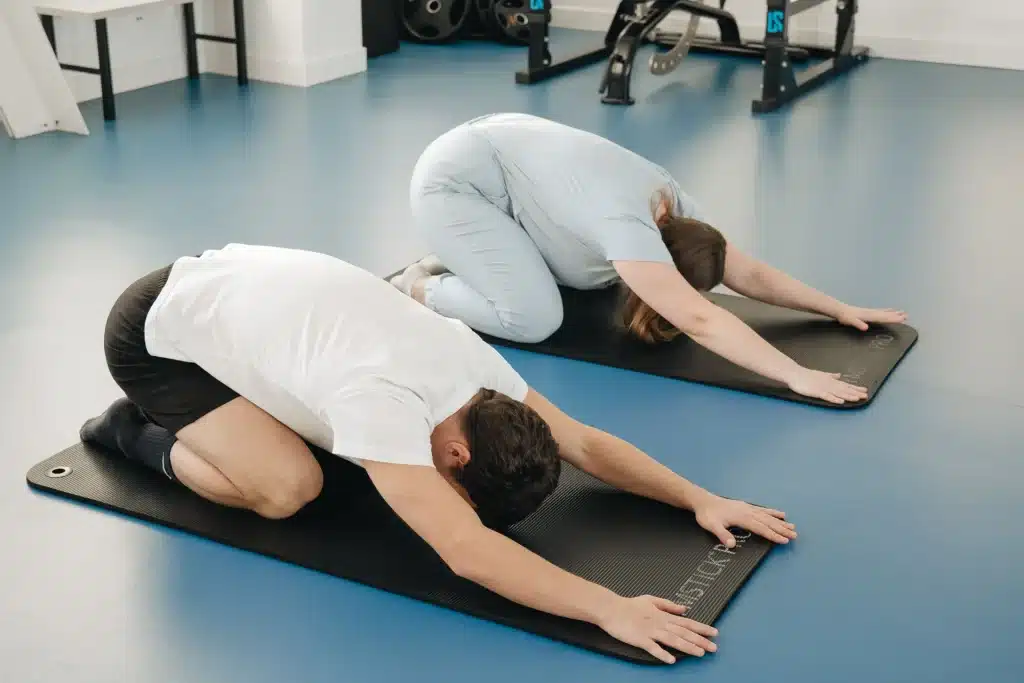
The Sensation: What Does Decompression Feel Like?
The best way to describe a HillDT spinal decompression session is a gentle, rhythmic pull and release.
It should not feel like a sudden yank. It should not feel like your spine is being forced. It should not feel sharp, burning, or painful.
Instead, most patients feel a controlled stretch in the lower back or neck, depending on the treatment area.
For lumbar decompression, the sensation is usually felt through the lower back, hips, or pelvis area.
For cervical decompression, the sensation is usually felt around the neck, upper spine, or base of the skull.
The Gentle, Rhythmic “Pull and Release”
During the session, the HillDT table moves through decompression and relaxation phases.
The pull phase gently separates the targeted spinal area.
The release phase allows the body to relax before the next cycle begins.
This rhythmic stretching pattern helps the body adjust gradually. It also helps reduce the chance of muscle guarding, which happens when the muscles tighten in response to force.
This is important because tense muscles can resist treatment. A smoother pull-and-release cycle helps keep the experience more comfortable.
Why Many Patients Fall Asleep During Treatment
Many patients are surprised by how relaxing the treatment feels. Once they realize the table is not painful or aggressive, their body starts to relax.
Some patients describe the session as peaceful. Others say it feels like a deep stretch they cannot achieve on their own.
Because the treatment is repetitive, gentle, and quiet, some patients may even fall asleep during the session. This is not required or expected, but it does happen.
The more relaxed the patient is, the more comfortable the session usually feels.
What Happens Immediately After the Session?
After the treatment ends, the table slowly returns to a neutral position. The provider will help remove the decompression harness, pelvic restraint, or cervical cradle depending on the type of session you received.
You may be asked to sit up slowly and take a moment before standing.
Some patients feel immediate lightness or pressure relief. Others feel relaxed, loose, or slightly tired. Some may not notice a major difference after the first session, especially if the condition has been present for a long time.
After your session, your provider may recommend a simple post-treatment protocol. This may include:
- Gentle movement
- Hydration
- Avoiding heavy lifting
- Avoiding sudden bending or twisting
- Light stretching if appropriate
- Posture guidance
- Stabilization exercises
- Chiropractic recommendations if needed
The goal is to help your body respond well after decompression and avoid irritating the area right after treatment.
Are There Any Side Effects or Soreness?
HillDT spinal decompression is designed to be gentle, but some patients may feel mild post-treatment soreness, especially during the first few sessions.
This soreness is usually similar to what someone might feel after stretching muscles that have been tight for a long time.
Possible temporary responses may include:
- Mild muscle soreness
- Temporary tightness
- Light fatigue
- Slight tenderness in the treated area
- Feeling looser or more mobile
- Mild changes in symptoms as the body adjusts
Mild soreness does not always mean something is wrong. However, sharp pain, worsening nerve symptoms, new weakness, or severe discomfort should always be reported to the provider.
A good decompression plan should be adjusted based on how your body responds.
Frequently Asked Questions
Will I feel claustrophobic or trapped on the HillDT table?
Most patients do not feel claustrophobic on the HillDT table. The harness system is designed to stabilize the body, not trap you.
You are not enclosed inside a machine. You are lying on a treatment table, and the provider is nearby. If you feel uncomfortable at any point, you can speak up and the session can be adjusted or stopped.
The goal is to help you feel secure, supported, and comfortable throughout the treatment.
Do I need to undress or change clothes for the session?
In most cases, you do not need to undress for a HillDT spinal decompression session. Comfortable clothing is usually best.
It is a good idea to wear clothes that allow you to lie down easily and do not have bulky belts, thick seams, or large items in the pockets.
Avoid wearing anything that makes it difficult to fit the decompression harness or pelvic restraint comfortably.
Is it normal to feel a little sore after the first few treatments?
Yes, mild post-treatment soreness can happen after the first few spinal decompression sessions. Your body may be adjusting to the gentle stretching and unloading of the spine.
This soreness is usually temporary and should not feel severe. Many patients describe it as similar to mild muscle soreness after stretching or light exercise.
If soreness feels sharp, intense, or unusual, let the provider know so your treatment settings can be reviewed.
Conclusion: Safe, Comfortable Relief Is Waiting for You
A HillDT spinal decompression session is not something you need to fear. The treatment is designed to be gentle, controlled, and comfortable for appropriate patients dealing with disc-related back pain, neck pain, sciatica, or nerve pressure.
From the specialized decompression harness to the rhythmic stretching of the computerized table, each part of the session is designed around comfort, precision, and patient experience.
At Health First Chiropractic & Wellness, we help patients in Glen Allen, VA, and nearby areas understand their options before treatment begins. Our goal is to make sure you feel informed, supported, and comfortable every step of the way.
If you have been nervous about trying spinal decompression, your first session may be much easier than you imagined.
Schedule a consultation today and find out if HillDT spinal decompression therapy is right for you.