




Feeling stressed, tense, or constantly overwhelmed? Your body may be feeling it, too.
Between demanding work schedules, family responsibilities, financial pressures, and everyday challenges, stress has become a regular part of modern life.
But stress doesn't just affect your thoughts and emotions. It can also influence your muscles, breathing, sleep, posture, and overall physical well-being.
Have you ever noticed your shoulders tightening during a stressful day? Or experienced a tension headache after spending hours at your desk?
These are examples of how closely connected your mind and body really are.
At Health First Chiropractic & Wellness (HFC Wellness), we believe understanding this connection is an important part of taking a proactive approach to your health.
Let's explore what happens inside your body when you're stressed, how your nervous system responds, and how chiropractic care may support your physical comfort and overall stress-management routine.
1. Understanding Your Body's Stress Response
Your body has a built-in system designed to help you respond to challenges and potential threats.
This is commonly called the fight-or-flight response.
When your brain perceives a stressful situation, it activates pathways involving your autonomic nervous system and stress hormones.
Two important components of your autonomic nervous system are:
The Sympathetic Nervous System — Fight or Flight
This system helps prepare your body to respond to immediate challenges.
During stressful situations, you may experience:
- Increased heart rate
- Faster breathing
- Greater muscle tension
- Heightened alertness
- Changes in digestion
- Increased release of stress hormones, including adrenaline and cortisol
These responses can be helpful when you need to react quickly.
However, frequent or prolonged stress can contribute to physical discomfort, sleep difficulties, and other health concerns.
The Parasympathetic Nervous System — Rest and Digest
This system supports normal functions such as digestion, recovery, and energy conservation.
It helps your body return toward its usual resting state after a stressful event.
Both systems are essential. The goal isn't to eliminate your stress response, but to support your body's ability to respond appropriately and recover.
2. How Chronic Stress Affects Your Muscles and Spine
Stress can influence the way you hold and move your body.
When you're overwhelmed, you may unconsciously tighten your shoulders, clench your jaw, or maintain a rigid posture.
Over time, these patterns may contribute to musculoskeletal discomfort.
Neck and Shoulder Tension
Stress can increase muscle activity in the neck and shoulders.
If you spend long hours at a desk or looking down at a phone, sustained postures may add to this discomfort.
Tension-Type Headaches
Stress is a common trigger for tension-type headaches.
These headaches often involve a dull, pressing sensation around the forehead, temples, or back of the head.
Muscle tenderness and neck discomfort may accompany them.
Back Pain and Stiffness
Stress can influence pain sensitivity, sleep, physical activity, and muscle tension.
These factors may contribute to existing back discomfort or make it more difficult to manage.
Changes in Posture
During stressful periods, people may spend more time sitting, moving less, or holding their bodies in uncomfortable positions.
Although there isn't one perfect posture, staying in the same position for long periods can contribute to stiffness and fatigue.
HFC Wellness Tip: Pay attention to where you hold tension. If your shoulders are creeping toward your ears or your jaw is clenched, use that as a reminder to relax your muscles and take a movement break.
3. The Connection Between Your Spine and Nervous System
Your nervous system plays a central role in how your body senses and responds to the world around you.
Your spinal cord carries information between your brain and much of your body, while spinal nerves help transmit sensory and motor signals.
Your spine also provides structural protection for the spinal cord and supports movement.
Because the nervous system and musculoskeletal system work closely together, physical discomfort can influence how you feel throughout the day.
For example, persistent neck or back pain may interfere with sleep, exercise, concentration, and everyday activities.
These challenges can add to your overall sense of stress.
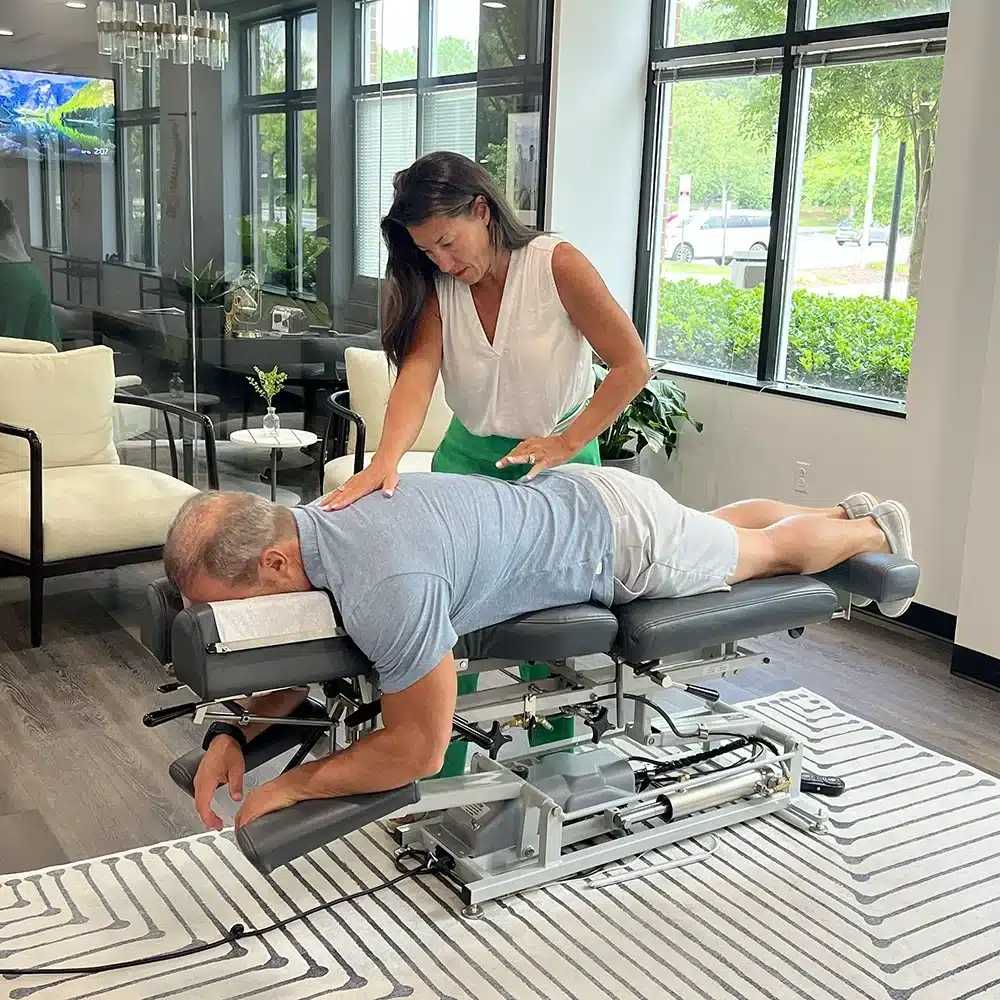
This is where chiropractic care may play a supportive role.
By addressing certain types of musculoskeletal pain and movement restrictions, chiropractic care may help reduce physical discomfort that contributes to your daily stress burden.
However, it's important to understand that spinal adjustments have not been conclusively shown to reset the autonomic nervous system, lower cortisol, or directly treat chronic psychological stress.
The strongest evidence for chiropractic treatment relates to specific musculoskeletal conditions, particularly some types of lower back pain.
4. How Chiropractic Care May Support Stress Management
Chiropractic care isn't a replacement for mental health treatment, stress counseling, or medical care.
However, it may be a useful part of a broader wellness approach for individuals experiencing stress-related muscle tension or musculoskeletal discomfort.
Helping Address Neck and Back Discomfort
When your muscles and joints feel uncomfortable, everyday activities may become more challenging.
Spinal manipulation may provide modest improvements in pain and function for some people with lower back pain.
For certain individuals, reducing physical discomfort may also make it easier to relax, stay active, and participate in daily routines.
Supporting Comfortable Movement
Stress can sometimes lead to reduced physical activity.
If you're dealing with stiffness or musculoskeletal pain, appropriate chiropractic care combined with exercise may help you move more comfortably.
Maintaining regular movement is especially important because physical activity has well-established benefits for stress management and emotional well-being.
Encouraging Better Movement Habits
At HFC Wellness, we recognize that what you do between appointments matters.
An individualized care plan may include recommendations for stretching, strengthening, posture changes, and movement breaks.
These habits can help reduce the physical strain associated with long periods of sitting or repetitive activities.
Supporting a More Comfortable Daily Routine
Physical discomfort can make it harder to sleep, exercise, or enjoy your favorite activities.
When appropriate treatment helps reduce pain, it may also remove some of the obstacles that make stressful periods more difficult.
The key takeaway: Chiropractic care may help address the physical effects associated with stress, especially musculoskeletal discomfort, but it should not be viewed as a direct treatment for the body's hormonal stress response.
5. Why Movement Is One of the Best Ways to Manage Stress
One of the most effective ways to support both your physical and mental health is regular movement.
Exercise can help improve mood, support sleep quality, and reduce symptoms of anxiety in many people.
It also helps maintain muscle strength, joint mobility, and cardiovascular health.
You don't need an intense workout to experience benefits.
Consider incorporating:
Walking: A 15–30-minute walk can provide a break from your routine while supporting cardiovascular health.
Strength Training: Resistance exercises support muscle health, physical function, and healthy aging.
Yoga: Gentle yoga combines movement, flexibility, and breathing, which may help reduce perceived stress.
Stretching: Regular stretching can help relieve feelings of muscle tightness and improve flexibility.
Outdoor Activity: Spending time in natural environments may offer additional benefits for mood and emotional well-being.
HFC Wellness Tip: If you're feeling overwhelmed, start with a 10-minute walk. Consistency matters more than perfection.
6. Breathing Exercises: A Simple Way to Help Your Body Relax
Have you ever noticed that your breathing becomes faster or shallower when you're stressed?
Breathing patterns can change during stressful situations, and intentionally slowing your breathing may help you feel calmer.
Try this simple exercise:
The 4–6 Breathing Technique
- Sit comfortably with your shoulders relaxed.
- Inhale gently through your nose for four seconds.
- Exhale slowly for six seconds.
- Repeat for one to three minutes.
Keep your breathing natural and comfortable. There's no need to force deep breaths.
Slow breathing exercises may help reduce feelings of stress and support relaxation.
If you feel lightheaded, stop and return to your normal breathing pattern.
7. Nutrition and Supplements That May Support Your Wellness Routine
Your nutrition also plays an important role in how you feel and function.
A balanced diet provides nutrients involved in energy metabolism, nervous system function, and overall health.
Although no supplement can eliminate stress, certain nutrients may be useful when dietary intake is inadequate.
At HFC Wellness, we offer professional-grade supplements from Designs for Health that may complement healthy lifestyle habits.
Magnesium Glycinate Complex — Muscle and Nervous System Support
Magnesium is an essential mineral involved in muscle contraction, nerve signaling, and energy production.
Magnesium Glycinate Complex by Designs for Health can help support adequate magnesium intake.
Magnesium contributes to:
- Normal muscle function
- Healthy nervous system function
- Energy metabolism
- Overall musculoskeletal health
Research into magnesium supplementation for stress and sleep is ongoing, and benefits are not firmly established for individuals who already consume adequate magnesium.
B-Supreme™ — Supporting Energy Metabolism
B vitamins are involved in normal nervous system function and the process of converting food into usable energy.
B-Supreme™ by Designs for Health provides a combination of B vitamins that can help support nutritional needs.
B vitamins contribute to:
- Normal energy metabolism
- Healthy nerve function
- Normal cellular processes
- Overall nutritional wellness
Supplementation may be particularly useful for individuals with inadequate intake or a deficiency.
OmegAvail™ Synergy — Supporting Brain and Cellular Health
Omega-3 fatty acids are important components of cell membranes and support normal physiological functions.
OmegAvail™ Synergy by Designs for Health provides omega-3 fatty acids, including EPA and DHA.
These nutrients support:
- Normal brain cell structure
- Cardiovascular health
- Healthy cellular function
- Overall nutritional wellness
Although omega-3 fatty acids are important for health, supplements are not an established treatment for stress.
Vitamin D — Supporting Overall Health
Vitamin D supports bone health, muscle function, and normal immune function.
During colder months, reduced sunlight exposure can make maintaining adequate vitamin D levels more challenging for some individuals.
Vitamin D supplementation may be appropriate when intake or blood levels are insufficient.
However, taking additional vitamin D has not been established as a reliable treatment for stress or anxiety.
Important: Supplements should be selected based on individual needs. Some ingredients can interact with medications, and excessive doses may cause harm. Consult your healthcare professional before starting a new supplement, especially if you have a medical condition or take prescription medications.
8. Sleep: An Essential Part of Stress Recovery
Sleep and stress are closely connected.
Stress can make it harder to fall asleep or stay asleep, while insufficient sleep can make everyday challenges feel more overwhelming.
Most adults need approximately 7–9 hours of sleep per night.
To support better sleep:
- Maintain a consistent bedtime and wake-up schedule.
- Limit caffeine later in the day.
- Keep your bedroom cool, dark, and quiet.
- Reduce screen use before bed.
- Make time for relaxing activities in the evening.
- Stay physically active during the day.
If persistent pain is interfering with your sleep, addressing the underlying cause may help you rest more comfortably.
9. Five Simple Ways to Support Your Stress Response Every Day
You don't need to completely change your lifestyle overnight.
Start by incorporating a few small habits into your daily routine.
1. Take regular movement breaks. Avoid staying in one position for hours at a time. Stand, stretch, or walk periodically throughout the day.
2. Spend time outdoors. Natural daylight and time in nature can support mood, sleep-wake rhythms, and overall well-being.
3. Practice intentional breathing. A few minutes of slow breathing may help you feel calmer during stressful moments.
4. Prioritize nutritious meals and hydration. Consistent meals and adequate fluids support normal physical and cognitive function.
5. Address persistent physical discomfort. Don't ignore recurring neck pain, back stiffness, or headaches. Speak with a qualified healthcare professional about appropriate evaluation and treatment.
10. When Stress Requires Additional Support
Stress is a normal part of life, but ongoing symptoms shouldn't be ignored.
Consider speaking with a healthcare professional if you experience:
- Persistent anxiety or feelings of being overwhelmed
- Significant changes in sleep
- Frequent headaches
- Ongoing fatigue
- Difficulty concentrating
- Persistent or worsening pain
- Stress that interferes with work, relationships, or everyday activities
Mental health professionals can provide evidence-based treatments for anxiety and chronic stress.
If you experience sudden chest pain, severe difficulty breathing, or other potentially serious symptoms, seek urgent medical attention rather than assuming stress is the cause.
Support Your Body Through Every Season of Life
Stress may be unavoidable, but how you care for your body can make a meaningful difference in your overall well-being.
Regular movement, quality sleep, balanced nutrition, healthy stress-management habits, and appropriate musculoskeletal care can all contribute to a healthier lifestyle.
At Health First Chiropractic & Wellness, we're here to help you prioritize your spinal health, address musculoskeletal discomfort, and maintain the mobility you need to keep doing the things you love.
If stress has been accompanied by neck tension, back discomfort, or reduced mobility, our team can help determine whether chiropractic care may be appropriate for you.
Take care of your spine. Keep your body moving. Make your well-being a priority.
Health First Chiropractic & Wellness
Call us at 804-270-6010 or speak with our front desk at your next appointment.
Disclaimer: This article is intended for educational purposes and is not a substitute for individualized medical or mental health advice. Chiropractic care is not an established treatment for anxiety disorders or chronic psychological stress.