




As temperatures drop and the colder months settle in, you might notice something familiar: stiffer knees, achy joints, tight muscles, or increased back discomfort.
Maybe your knees feel stiff when you first get out of bed, your lower back aches after sitting for too long, or your shoulders feel tighter than they did during the summer.
If you've ever felt like your joints can predict the weather, you're certainly not alone!
But what's actually happening inside your body when temperatures drop? And more importantly, what can you do to stay comfortable, mobile, and active throughout the colder months?
At HFC Wellness, we believe that understanding your body is the first step toward taking better care of it. Let's explore the connection between cold weather, joint discomfort, inflammation, and how chiropractic care, movement, and targeted nutritional support may help.
Why Does Cold Weather Make Your Joints Hurt?
Although cold weather doesn't directly cause arthritis or joint damage, some people notice increased discomfort when temperatures change.
Researchers are still studying the connection between weather and joint pain, but several factors may contribute.
1. Changes in Barometric Pressure
Barometric pressure is the weight of the atmosphere around us.
When weather systems move through, atmospheric pressure changes. Some researchers believe these changes may influence pain sensitivity in people with arthritis or other chronic joint conditions.
However, research findings are mixed, and scientists haven't established exactly how atmospheric pressure affects joint discomfort.
2. Muscles May Feel Tighter in Cold Temperatures
Have you ever stepped outside on a freezing morning and immediately felt your shoulders tense?
Cold temperatures can make muscles feel tighter, particularly when you're already dealing with stiffness or discomfort.
This can make everyday movements feel more challenging, especially first thing in the morning or after sitting for extended periods.
The solution? Keep your body warm and moving. Gentle stretching, regular movement, and warming up before activity can help your muscles and joints feel more comfortable.
3. Less Movement Means More Stiffness
Think about your activity levels during the summer compared to winter.
During warmer months, you may spend more time walking, gardening, swimming, traveling, and enjoying outdoor activities.
When winter arrives, shorter days and colder temperatures often mean more time indoors.
And more time indoors can mean more sitting.
When we move less, our muscles and joints may become stiffer, making everyday activities feel more uncomfortable.
Regular physical activity helps maintain joint mobility, muscle strength, and overall function.
4. Existing Arthritis or Previous Injuries May Feel More Noticeable
People living with osteoarthritis, previous joint injuries, or recurring back discomfort may be especially aware of seasonal changes.
Osteoarthritis involves changes to the cartilage and other structures within a joint. These changes can contribute to pain, stiffness, and reduced mobility.
Although colder weather doesn't necessarily mean your condition is getting worse, changes in activity levels, muscle tension, and pain sensitivity may make symptoms more noticeable.
What's Happening With Inflammation?
Inflammation is a natural part of your body's response to injury and illness.
When you injure a muscle or joint, your immune system helps coordinate the healing process.
However, ongoing inflammation can also contribute to discomfort in certain conditions, including inflammatory arthritis.
It's important to understand that not all joint pain is caused by inflammation. Osteoarthritis, muscle strain, nerve irritation, and other musculoskeletal conditions can cause discomfort through different mechanisms.
Cold weather itself has not been shown to consistently increase inflammation throughout the body.
That's why identifying the underlying cause of joint discomfort is important before choosing treatments or supplements.
How Chiropractic Care Can Help With Joint Stiffness
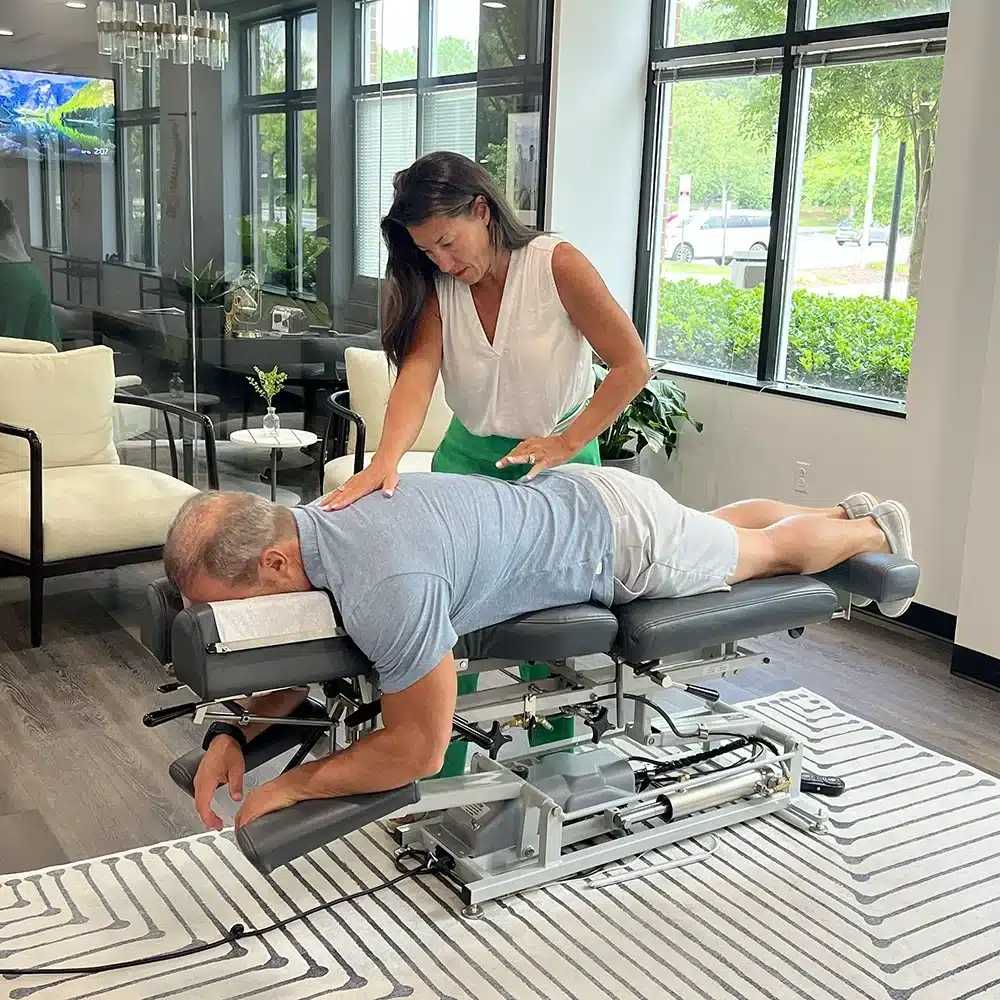
At HFC Wellness, we focus on helping patients maintain healthy spinal movement, address musculoskeletal discomfort, and support their overall mobility.
As temperatures drop, patients may notice increased stiffness or discomfort in their neck, shoulders, lower back, and hips.
Chiropractic care may help with certain types of spinal pain and restricted movement, especially when combined with exercise and healthy daily habits.
Potential Benefits of Chiropractic Care
✔ Supporting spinal mobility
Chiropractic adjustments may help improve movement in certain restricted spinal joints.
✔ Addressing back and neck discomfort
Spinal manipulation may provide modest improvements in pain and function for some individuals experiencing lower back pain.
✔ Supporting comfortable movement
Addressing musculoskeletal discomfort may make it easier to participate in regular physical activity.
✔ Encouraging healthy movement habits
Chiropractic care can be combined with stretching, strengthening exercises, ergonomic improvements, and personalized movement recommendations.
✔ Maintaining consistency throughout the year
Staying consistent with an appropriate care plan and home exercises can help you continue prioritizing your mobility as your daily routine changes with the seasons.
Chiropractic care isn't a cure for arthritis or inflammatory joint conditions, but it may be one helpful part of an individualized approach to musculoskeletal wellness.
Supplements That May Support Joint Health and Comfort
Along with chiropractic care, movement, and a balanced diet, certain nutritional supplements may offer additional support for joint health.
At HFC Wellness, we carry professional-grade supplements from Designs for Health, including formulas designed to support joint function, mobility, and a healthy inflammatory response.
Here are a few options worth discussing with our team.
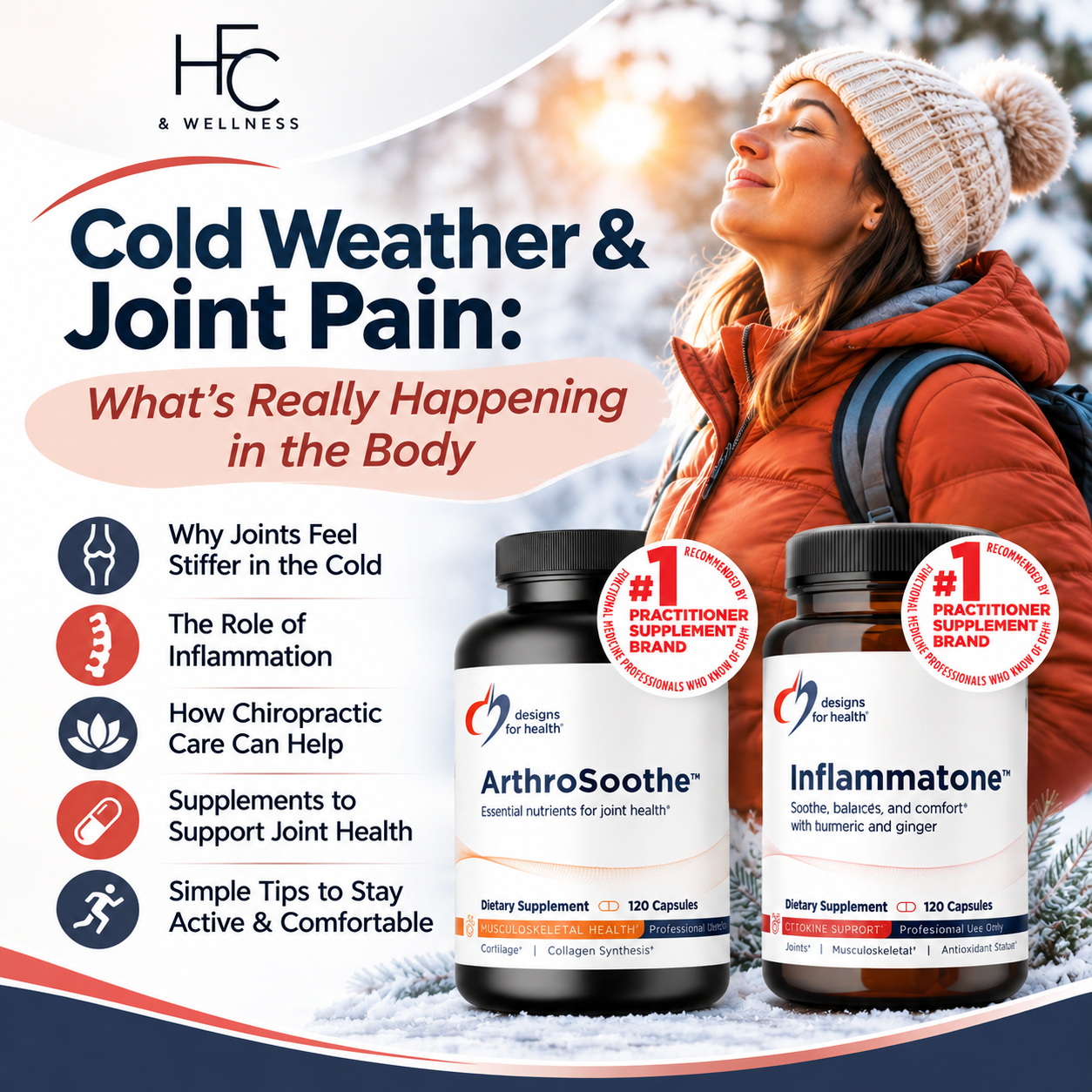
1. ArthroSoothe™ – Comprehensive Joint Support
ArthroSoothe™ by Designs for Health is a multi-ingredient formula designed to provide nutritional support for joint comfort, cartilage health, and mobility.
Its joint-support ingredients are intended to help maintain connective tissue and healthy joint function.
Potential benefits include:
- Supporting joint comfort and flexibility
- Providing nutritional support for cartilage and connective tissue
- Supporting everyday mobility
- Helping maintain healthy joint function
ArthroSoothe may be worth discussing with our team if you're looking for comprehensive nutritional joint support.
2. Inflammatone™ – Supporting a Healthy Inflammatory Response
Inflammatone™ by Designs for Health is formulated with a blend of botanical ingredients and enzymes intended to support a healthy inflammatory response.
Because inflammation plays a role in certain types of joint discomfort, nutritional strategies that support normal inflammatory processes may be useful for some individuals.
Inflammatone is formulated to support:
- A healthy inflammatory response
- Normal tissue recovery processes
- Overall musculoskeletal wellness
While some individual ingredients have been studied for inflammation-related outcomes, strong clinical evidence that the finished formula relieves joint pain is limited.
Inflammatone is not a replacement for medical treatment of arthritis or other inflammatory conditions.
3. Curcum-Evail® – Curcumin for Joint Comfort
Curcumin is a naturally occurring compound found in turmeric.
Research suggests that some curcumin preparations may help reduce pain and improve function in people with knee osteoarthritis, although study quality and formulations vary.
Curcum-Evail® by Designs for Health is formulated to improve curcumin absorption.
Potential benefits of curcumin supplementation include:
- Supporting a healthy inflammatory response
- Helping maintain joint comfort
- Providing antioxidant support
- Supporting mobility in some individuals
Curcumin may be an option for individuals interested in targeted nutritional support, but it isn't appropriate for everyone.
4. OmegAvail™ Synergy – Omega-3 Fatty Acids
Omega-3 fatty acids, particularly EPA and DHA, are important nutrients involved in many functions throughout the body.
OmegAvail™ Synergy by Designs for Health provides omega-3 fatty acids to support cardiovascular health and normal inflammatory processes.
Omega-3 supplements have shown some potential benefits for symptoms in people with rheumatoid arthritis, although results vary. Evidence for relieving osteoarthritis pain is less convincing.
Omega-3 fatty acids help support:
- Heart and cardiovascular health
- Normal inflammatory processes
- Overall cellular health
- General wellness
You can also increase omega-3 intake through foods such as salmon, sardines, and other fatty fish.
5. Magnesium Glycinate Complex – Muscle and Nerve Support
Sometimes what feels like joint stiffness may also involve tight or fatigued muscles surrounding the joints.
Magnesium is an essential mineral involved in normal muscle contraction, nerve function, and energy production.
Magnesium Glycinate Complex by Designs for Health can help support adequate magnesium intake when dietary intake is insufficient.
Magnesium contributes to:
- Normal muscle function
- Healthy nerve signaling
- Energy metabolism
- Overall muscle and bone health
Although magnesium is important for musculoskeletal function, supplementation hasn't been established as a reliable treatment for arthritis or general joint pain.
Choosing the Right Supplement
Not every supplement is appropriate for every patient, and taking several products together isn't always better.
Some ingredients in joint-support formulas may interact with medications, including blood thinners, or may be unsuitable for people with certain medical conditions.
Before starting ArthroSoothe, Inflammatone, Curcum-Evail, or other supplements, speak with a qualified healthcare professional, especially if you take prescription medications, are pregnant, have a medical condition, or are preparing for surgery.
Our team can help you review the available products and discuss which options may fit your individual wellness goals.
6 Simple Ways to Support Your Joints This Winter
Supplements can be one part of a wellness routine, but everyday habits remain the foundation of joint health.
1. Keep Moving Throughout the Day
Movement helps maintain joint mobility and muscle strength.
Try taking short walking breaks, stretching between work tasks, or getting up regularly if you spend much of the day sitting.
2. Warm Up Before Physical Activity
Cold muscles may feel less comfortable during sudden activity.
Before heading outside for a walk, exercising, or doing yard work, spend five to ten minutes gradually warming up.
3. Strengthen the Muscles Around Your Joints
Strong muscles help support your joints during everyday movement.
Exercises such as walking, modified squats, resistance-band movements, and light strength training can help maintain function.
4. Use Moist-Gentle Heat for Stiffness
A warm shower, warm bath, or warm compress may temporarily ease muscle tension and stiffness.
5. Eat Foods That Support Overall Health
Build meals around nutrient-rich foods, including:
- Fatty fish such as salmon
- Colorful fruits and vegetables
- Nuts and seeds
- Olive oil
- Adequate protein
- Whole grains or other fiber-rich foods appropriate for your diet
A balanced eating pattern can support overall health and help with weight management, which may reduce stress on weight-bearing joints.
6. Stay Consistent With Your Care
Don't wait until stiffness interferes with your daily routine to pay attention to your body.
Stay consistent with appropriate exercise, recovery habits, and your individualized care plan.
Easy At-Home Exercises for Joint Mobility
Looking for a few simple ways to loosen up during the colder months?
Cat-Cow Stretch
Begin on your hands and knees. Slowly alternate between gently rounding and arching your back. Repeat 8–10 times.
Seated Spinal Rotation
Sit comfortably with your feet supported. Slowly rotate your upper body to one side, return to center, and repeat on the other side.
Standing Hip Circles
Stand with your hands on your hips and slowly make small circles in each direction.
Shoulder Rolls
Roll your shoulders backward and forward to encourage gentle upper-body movement.
Walking
A short daily walk is one of the simplest ways to keep your body active and your joints moving.
All exercises should be performed within a comfortable range. Stop if you experience sharp pain or worsening symptoms.
When Joint Pain Needs Medical Attention
Although occasional stiffness can be common, persistent joint pain shouldn't automatically be blamed on cold weather.
Seek medical evaluation if you experience significant swelling, redness, warmth around a joint, worsening pain, new weakness, or difficulty walking.
A hot, swollen joint accompanied by fever or severe pain requires prompt medical attention.
Don't Let Cold Weather Slow You Down!
Just because the temperatures are dropping doesn't mean your activity levels or quality of life have to.
Staying active, supporting healthy muscles and joints, maintaining good nutrition, and addressing discomfort early can help you feel your best throughout the colder months.
At HFC Wellness, we're here to help you prioritize your spinal health, maintain comfortable movement, and explore appropriate wellness strategies, including chiropractic care and nutritional support.
Whether you're dealing with seasonal stiffness, looking to improve mobility, or interested in learning more about joint-support supplements such as ArthroSoothe™, Inflammatone™, Curcum-Evail®, and OmegAvail™ Synergy, our team is here to help.
Don't let colder weather keep you from doing the things you love. Make your joint health a priority this season!
Call HFC Wellness at 804-270-6010 or speak with our front desk at your next appointment.