





Football season is back! Whether you're under the Friday night lights, playing in a weekend league, cheering from the stands, or spending Sunday afternoon on the couch watching your favorite team, football season can mean more stress on your body than you might realize.
For athletes, practices, tackles, sprinting, lifting, and repetitive movements can place significant demands on the muscles and joints. For fans, hours of sitting, traveling to games, standing on bleachers, and even weekend yard games can leave the neck and back feeling stiff.
At HFC Wellness, we want football season to be about enjoying the game—not sitting on the sidelines because your body isn't feeling its best.
For Athletes: Football Is a Full-Body Sport
Football requires strength, speed, coordination, mobility, and the ability to rapidly change direction. Whether you're playing competitively or recreationally, your entire body is involved.
Running, cutting, jumping, blocking, tackling, throwing, and absorbing contact all place physical demands on the body. Even when there isn't an obvious injury, athletes can experience muscle soreness, joint stiffness, and reduced mobility after practices and games.
That's why recovery should be considered part of training—not something you only think about when you're hurting.
How Chiropractic Care Can Support Recovery
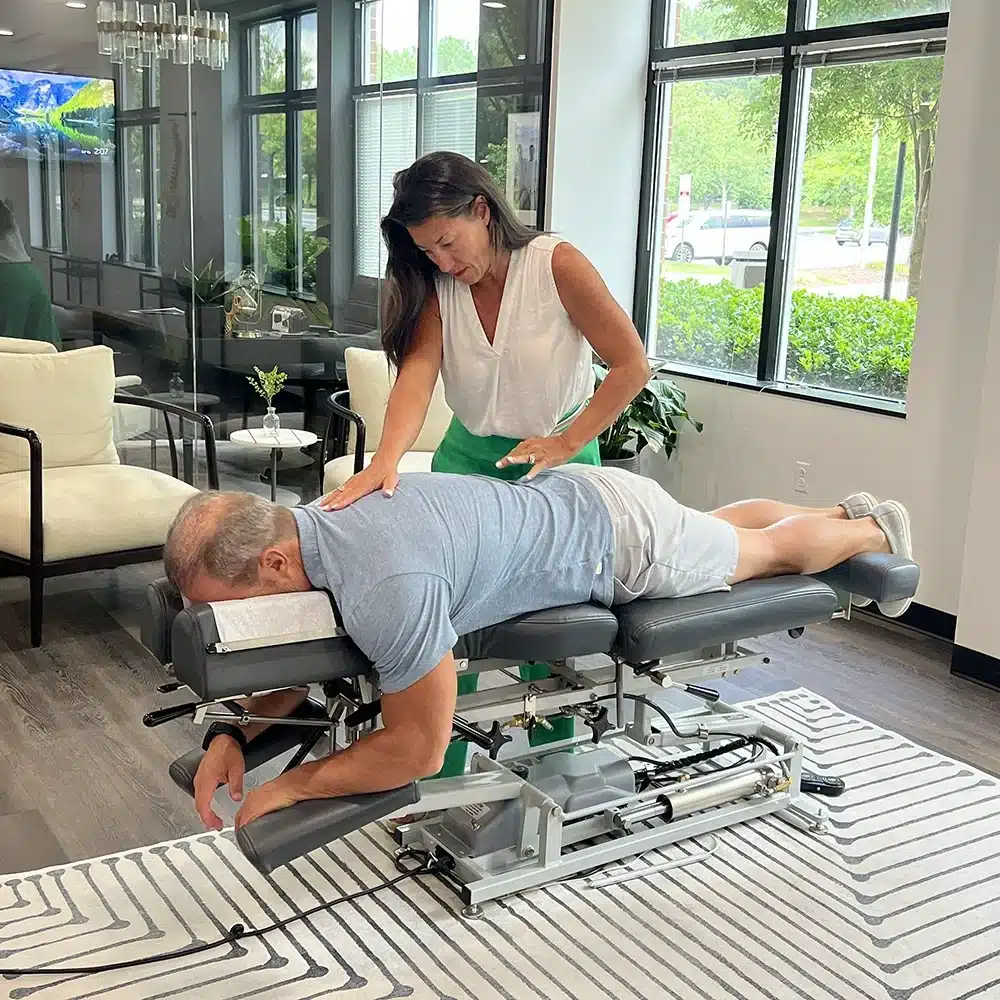
Chiropractic care can be one part of a well-rounded approach to musculoskeletal health and recovery.
At HFC Wellness, chiropractic care focuses on how the spine and joints are moving and functioning. Depending on the individual, care may help address stiffness, restricted movement, and back or neck discomfort.
Research suggests spinal manipulation may provide modest improvements in pain and function for some people with acute or chronic low-back pain.
For an athlete, supporting comfortable movement can be especially important when returning to regular practices, workouts, and games.
Chiropractic care should work alongside the fundamentals of athletic recovery—not replace them.
5 Recovery Habits for Football Players
1. Don't Skip the Warm-Up
Going from sitting all day at school or work directly into intense activity isn't ideal.
Before practice or a game, spend time gradually getting your body moving. Dynamic movements such as walking lunges, controlled squats, arm circles, and light jogging can help prepare the body for activity.
2. Prioritize Mobility
Strength is important, but so is being able to move well.
Pay attention to areas that commonly feel tight after training, including the hips, hamstrings, upper back, and shoulders. Incorporating mobility work throughout the week may help maintain comfortable movement as training demands increase.
3. Hydrate Before, During, and After Activity
Don't wait until you're thirsty after the game to think about hydration.
Football practices can mean significant sweating, particularly during late-summer and early-fall heat. Make hydration part of the entire day, especially before practices and games.
4. Make Sleep Part of Your Training
Your body needs recovery time between workouts.
Consistent sleep, adequate nutrition, hydration, rest days, and appropriate training loads all play a role in how well an athlete recovers.
5. Don't Ignore Persistent Pain
There's a difference between normal post-workout soreness and pain that continues, worsens, or changes how you move.
Trying to "push through" an injury can sometimes turn a manageable problem into a bigger one. Significant pain, numbness, weakness, concussion symptoms, or an injury following a hard collision should be appropriately evaluated by a medical professional.
What About Young Football Players?
Growing athletes have their own considerations.
Parents should pay attention if a young athlete suddenly starts moving differently, avoids certain movements, consistently complains of back or neck discomfort, or doesn't seem to recover normally between practices.
And remember—the stress on their bodies doesn't necessarily end when practice does.
Young athletes may go directly from football practice to carrying a heavy backpack, sitting over homework, or looking down at a phone.
The American Academy of Pediatrics recommends that children's backpacks weigh no more than about 15% of their body weight and advises using both shoulder straps and keeping the backpack close to the body to reduce strain.
Fans Need to Think About Their Spines, Too!
You don't have to take a tackle to wake up sore after game day. Think about what football season can look like for fans:
- Long drives to and from games
- Hours sitting on bleachers
- Standing in one place while tailgating
- Spending an entire Sunday on the couch
- Looking down at your phone between plays
- Carrying coolers, chairs, and tailgating supplies
All of that prolonged sitting and standing can leave you feeling stiff by the end of the weekend.
Try the "Halftime Reset"
When halftime arrives, get up and move.
Walk around for a few minutes, gently move your shoulders, change positions, and give your body a break from the couch or bleachers.
If you're traveling to an away game, build movement breaks into long drives when possible. Sometimes the simplest thing you can do for your body is change positions more often.
Chiropractic Tips for a Healthier Football Season
Whether you're playing or cheering, keep these simple habits in mind:
Move before you play. Warm up before jumping into strenuous activity.
Recover after activity. Hydration, nutrition, sleep, and appropriate rest all matter.
Break up long periods of sitting. This applies to school, work, road trips, and Sunday football marathons.
Pay attention to your body. Persistent pain or changes in movement shouldn't automatically be dismissed as "just soreness."
Don't wait for game day to think about mobility. Consistent movement and recovery habits throughout the week can help keep your body prepared for activity.
Consider chiropractic care as part of your overall wellness routine. For some people experiencing back or neck discomfort, spinal manipulation may provide modest improvements in pain and function.
Stay in the Game This Season
Football season should be filled with touchdowns, tailgates, Friday night lights, and time with friends and family—not a season spent dealing with an uncomfortable back or stiff neck.
Whether you're an athlete working through a demanding season, a parent keeping up with a young player, or a fan who realizes you've spent a few too many hours on the couch, taking care of your spine and supporting recovery can help you keep moving throughout the season.
At HFC Wellness, we're here to help you better understand how your body is moving and create a chiropractic care plan based on your individual needs.
Make your spinal health part of your game plan this football season.