


Introduction
Hip pain can quietly take over your life. At first, it may feel like a small ache after a long walk, a tight pull when standing from a chair, or a dull discomfort when rolling over in bed. But over time, that discomfort can begin to rob you of simple daily joys: walking through the grocery store without thinking about every step, sleeping through the night, climbing stairs comfortably, exercising, traveling, or playing with your children or grandchildren.
The hip is one of the body’s largest weight-bearing joints, and it plays a major role in balance, walking, bending, sitting, and standing. Because it is involved in so many everyday movements, even mild hip pain can affect your lower back, knees, posture, and overall mobility. Hip pain may come from the joint itself, surrounding muscles, tendons, ligaments, bursae, or even from irritated nerves in the lower back.
Many adults are now looking beyond short-term pain relief. Painkillers may temporarily reduce discomfort, and surgery may be necessary in advanced cases, but many people want to understand the root cause of their pain and explore non-surgical, drug-free options first. Natural hip pain relief often focuses on improving movement, reducing inflammation, strengthening the muscles around the joint, supporting posture, and restoring better alignment throughout the body.
This guide covers the most important natural strategies for hip pain relief, including nutrition, supplements, lifestyle changes, at-home stretches, strengthening exercises, low-impact cardio, sleep support, and professional holistic therapies such as chiropractic care, massage therapy, acupuncture, and regenerative options. The goal is not to force a one-size-fits-all answer, but to help you understand your body and build a recovery plan that supports long-term mobility.
Understanding Your Anatomy: Why Does My Hip Hurt?
The Complex Structure of the Hip Joint
The hip is a ball-and-socket joint. The “ball” is the rounded head of the femur, or thigh bone, and the “socket” is part of the pelvis called the acetabulum. This design gives the hip a wide range of motion while also allowing it to support body weight during standing, walking, running, and daily movement. Cartilage covers the bones inside the joint, helping them glide smoothly and absorb shock. Ligaments help hold the joint together, while tendons connect muscles to bone.
The hip does not work alone. It depends on the gluteal muscles, hip flexors, adductors, quadriceps, hamstrings, deep rotators, core muscles, pelvis, and spine. When one area becomes weak, tight, inflamed, or misaligned, the hip may absorb extra stress. This is why hip pain may feel like a joint problem, a muscle problem, a nerve problem, or a combination of all three.
Common Root Causes of Hip Pain
Osteoarthritis is one of the most common causes of chronic hip pain, especially in adults over 50. It happens when the cartilage inside the joint changes over time, which can lead to pain, stiffness, reduced mobility, and difficulty with weight-bearing activities.
Bursitis happens when the small fluid-filled sacs that cushion the joint area become irritated or inflamed. This often causes pain on the outside of the hip and may become worse when lying on the affected side, climbing stairs, or walking for long periods. Hip pain can also come from injuries, labral tears, dislocations, structural issues, and inflammation around the joint.
Tendinitis and muscle strains often develop from overuse, repetitive movement, poor mechanics, sudden activity changes, or weakness in the supporting muscles. Tight hip flexors, strained hamstrings, irritated glutes, and overworked adductors can all contribute to hip discomfort.
Sciatica and pinched nerves can also mimic hip pain. In some cases, the true source is the lower back, where irritated nerves refer pain into the hip, buttock, groin, or leg. This is why a proper assessment should look at the spine, pelvis, gait, and lower-body mechanics, not just the painful area.
When to See a Doctor Immediately
Natural care can be helpful for many cases of hip pain, but some symptoms should not be ignored. Seek urgent medical attention if you have severe hip pain after a fall or injury, cannot walk or bear weight, notice that the joint or leg looks deformed, have numbness or loss of feeling after an injury, develop fever or signs of infection, or suddenly cannot move the leg normally.
The Pillars of Natural Hip Pain Treatment
1. Anti-Inflammatory Nutrition and Diet
Food will not “fix” every hip condition, but it can influence inflammation, weight, muscle recovery, energy, and tissue repair. A natural hip pain treatment plan should begin with a diet that supports the body instead of constantly feeding inflammation.
Focus on foods rich in nutrients, fiber, antioxidants, and healthy fats. Omega-3 fatty acids from salmon, sardines, flaxseed, chia seeds, and walnuts may support a healthier inflammatory response. Colorful fruits and vegetables provide antioxidants that help protect tissues from oxidative stress. Leafy greens, berries, turmeric, ginger, olive oil, beans, lentils, and high-quality protein sources can support joint and muscle health.
Turmeric and ginger are popular natural options because they are commonly used for inflammation support. They can be included in food, teas, smoothies, or supplements, but people taking blood thinners, preparing for surgery, or managing chronic medical conditions should speak with a healthcare provider before using concentrated doses.
Just as important is what you reduce. Highly processed foods, frequent sugary snacks, trans fats, excessive alcohol, and refined carbohydrates may contribute to weight gain and inflammation. For someone with hip osteoarthritis or chronic joint irritation, reducing inflammatory food triggers may make movement, sleep, and exercise feel more manageable.
Hydration also matters. Cartilage, muscles, and connective tissues all need adequate fluid balance. If you are dehydrated, your muscles may feel tighter, your recovery may slow, and your body may be less prepared for exercise or rehab.
2. Targeted Supplements for Joint Health
Supplements can support a broader natural plan, but they should not replace diagnosis, movement therapy, nutrition, or professional care. They are also not equally helpful for every person or every cause of hip pain.
Glucosamine and chondroitin are often marketed for cartilage support. However, research has been inconsistent, and the American College of Rheumatology/Arthritis Foundation guideline strongly recommends against glucosamine and chondroitin for hip and knee osteoarthritis because evidence has not shown reliable benefit for those conditions. If you are considering them, talk with a qualified provider first, especially if you take medications or have allergies.
Magnesium may help support normal muscle function and relaxation, especially when muscle tightness is part of the pain pattern. Some people notice that cramps, tight hip flexors, or general muscle tension improve when magnesium intake is optimized, but dosage and form matter.
Collagen peptides may support connective tissue health, and some research has found mixed but promising results for activity-related joint discomfort. Collagen works best as part of a complete plan that also includes adequate protein, vitamin C, strength training, and proper loading of the joint.
Before starting any supplement, review your current medications, medical history, and goals with a healthcare provider. Natural does not always mean risk-free.
3. Lifestyle Modifications for Immediate Relief
Small daily changes can make a big difference because hip pain is often aggravated by repeated positions and habits.
Improve your desk ergonomics. Sitting for long hours can shorten the hip flexors and place extra pressure on the pelvis and lower back. Keep both feet flat on the floor, avoid crossing your legs for long periods, sit with your hips slightly higher than your knees if possible, and take movement breaks every 30 to 60 minutes. A standing desk can help, but only if you alternate positions instead of locking yourself into one posture all day.
Choose supportive footwear. Your feet are the foundation of your kinetic chain. Poor arch support, worn-out shoes, or unstable footwear can affect ankle mechanics, knee tracking, pelvic position, and hip alignment. If your hip pain worsens after standing or walking, evaluate your shoes. Supportive footwear or custom orthotics may help some people, especially when overpronation, flat feet, or gait imbalance is present.
Manage weight in a realistic way. Because the hip is a weight-bearing joint, even modest weight loss may reduce stress on the joint during daily movement. Physical activity and weight management are commonly recommended in osteoarthritis care because they can improve pain, function, and quality of life.
Use heat and cold strategically. Ice may help calm sharp, irritated, or inflamed pain after activity. Heat may help relax tight muscles before stretching or movement. A simple rule: use cold when the area feels irritated or swollen, and heat when the area feels stiff, tight, or achy.
At-Home Physical Therapy: Exercises and Stretches
Exercise is one of the most important natural tools for hip pain relief, but it must be done correctly. The goal is not to force painful movement. The goal is to restore mobility, strengthen support muscles, and improve control around the pelvis and spine. For hip osteoarthritis, current clinical guidance supports individualized exercise programs, which may include strengthening, mobility work, and aquatic therapy.
Start gently. Mild stretching discomfort is normal, but sharp pain, radiating nerve pain, numbness, or worsening symptoms are signs to stop and seek guidance.
Gentle Stretches for Mobility and Flexibility
The Figure-4 Stretch
The Figure-4 stretch targets the piriformis and deep hip rotators, which can contribute to buttock, hip, and sciatic-type discomfort.
Lie on your back with both knees bent. Cross your right ankle over your left thigh, creating a “4” shape. Gently pull the left thigh toward your chest until you feel a stretch in the right glute or outer hip. Hold for 20 to 30 seconds, then switch sides. Keep your head, neck, and shoulders relaxed.
This stretch should feel deep but not sharp. If it causes nerve-like pain down the leg, stop and get assessed.
Kneeling Hip Flexor Stretch
Tight hip flexors can pull the pelvis forward, increase lower back strain, and alter hip mechanics.
Kneel on one knee with the other foot in front, like a half-kneeling lunge. Gently tuck your pelvis under, squeeze the glute on the kneeling side, and shift forward slightly until you feel a stretch in the front of the hip. Hold for 20 to 30 seconds. Avoid arching the lower back.
This is especially helpful for people who sit most of the day.
Butterfly Stretch
The butterfly stretch targets the inner thighs and groin area.
Sit tall with the soles of your feet together and your knees gently falling outward. Hold your feet or ankles, lengthen your spine, and let the knees relax toward the floor. Hold for 20 to 30 seconds. Do not bounce. If the stretch creates pinching in the front of the hip, reduce the range or stop.
Strengthening Exercises to Support the Joint
Mobility without strength is not enough. Strong glutes, deep core muscles, and hip stabilizers help protect the joint and reduce unnecessary stress during walking, standing, lifting, and climbing stairs.
Glute Bridges
Glute bridges strengthen the posterior chain, including the glutes and hamstrings.
Lie on your back with knees bent and feet hip-width apart. Press through your heels, gently brace your core, and lift your hips until your body forms a straight line from shoulders to knees. Squeeze the glutes at the top, then lower slowly. Start with 2 sets of 8 to 12 reps.
Avoid pushing through lower back tension. The work should come from your glutes.
Clamshells
Clamshells target the hip abductors, especially the gluteus medius, which helps stabilize the pelvis during walking.
Lie on your side with knees bent and hips stacked. Keep your feet together and lift the top knee without rolling your pelvis backward. Lower slowly. Start with 2 sets of 10 reps per side. Add a resistance band only when the movement feels controlled.
Bird-Dogs
Bird-dogs build core and hip stability.
Start on hands and knees. Gently brace your core. Extend your right arm and left leg while keeping your hips level. Pause, then return to the starting position. Switch sides. Start with 2 sets of 6 to 10 reps per side.
This exercise trains the hip, core, and spine to work together, which is essential for long-term pain relief.
Low-Impact Cardio for Joint Lubrication
Movement helps maintain joint function, but high-impact exercise may aggravate sensitive hips. Low-impact cardio is often a better starting point. Swimming, water aerobics, cycling, recumbent biking, and elliptical training can improve circulation, support strength, and help maintain mobility while reducing pounding on the joint. Mayo Clinic notes that low-impact activities such as biking and exercise in water are generally easier on arthritic joints.
Water-based exercise is especially helpful for people with pain during weight-bearing. The buoyancy of water reduces load on the hip while still allowing movement and resistance.
Professional Holistic Therapies for Hip Pain Relief
Chiropractic Care: Realigning the Kinetic Chain
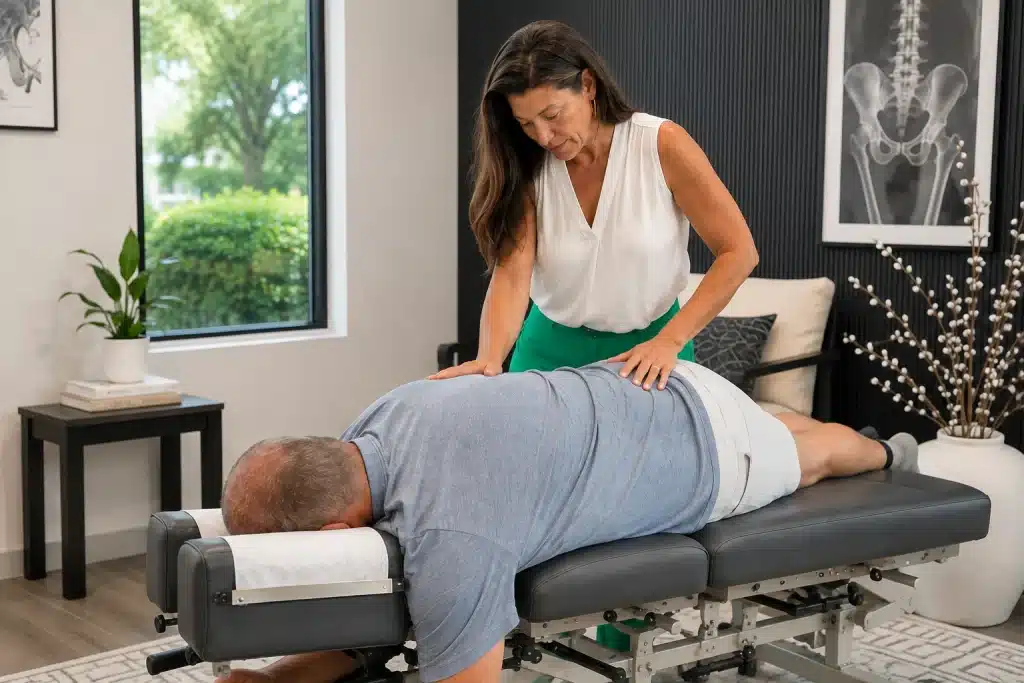
The hip is part of a larger kinetic chain that includes the feet, knees, pelvis, spine, and core. When the pelvis is rotated, the lumbar spine is restricted, or gait mechanics are uneven, the hip may absorb stress that it was not designed to handle.
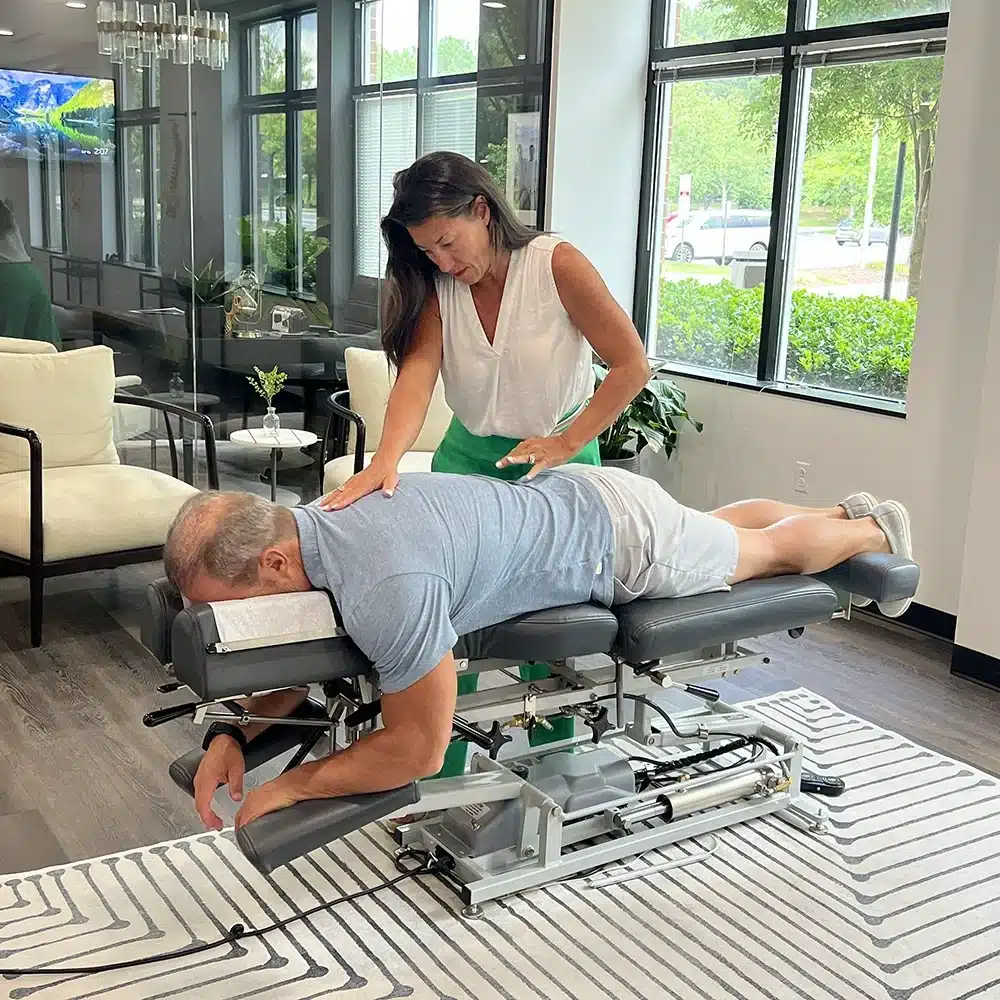
Chiropractic care for hip pain often includes a detailed evaluation of spinal alignment, pelvic motion, leg length differences, gait mechanics, hip mobility, muscle balance, and nerve irritation. A chiropractor may use adjustments, soft-tissue therapy, corrective exercises, stretching recommendations, and lifestyle guidance to improve the way the body moves as a system.
For someone searching for a hip pain chiropractor in Richmond, VA, it is important to choose a provider who looks beyond the painful joint. A strong evaluation should include posture, pelvic rotation, spinal mobility, gait biomechanics, and when appropriate, diagnostic imaging or referral for further testing.
Massage Therapy and Myofascial Release
Massage therapy and myofascial release may help reduce muscular tension around the hip, especially in the hip flexors, glutes, piriformis, quadriceps, hamstrings, and lower back. When muscles are chronically tight, they can restrict joint motion and make pain worse.
Soft-tissue work may also help people who have scar tissue, trigger points, or guarding patterns after injury. The best results usually come when massage is paired with strengthening and mobility exercises, not used as a stand-alone solution.
Acupuncture and Traditional Chinese Medicine
Acupuncture is often used as a complementary therapy for pain relief. It may help stimulate the body’s natural pain-modulating systems, support circulation, and reduce muscle guarding. Evidence for acupuncture in osteoarthritis is mixed, and research is stronger for some joints than others. A Cochrane review on acupuncture for hip osteoarthritis found limited evidence, while the ACR/Arthritis Foundation guideline conditionally recommends acupuncture for osteoarthritis of the hand, hip, or knee, meaning it may be appropriate for some patients but is not a guaranteed solution for everyone.
Regenerative Medicine
Regenerative therapies such as platelet-rich plasma, or PRP, are emerging non-surgical options for some cases of joint pain. PRP uses a concentration of platelets from your own blood and is injected by a qualified medical provider. Some studies suggest PRP may help certain patients with hip osteoarthritis, but protocols vary, evidence is still developing, and it is not considered a first-line solution for every person.
If you are considering PRP or other regenerative therapies, consult a licensed medical provider who can explain the risks, benefits, cost, candidacy, and alternatives.
How to Sleep Better with Hip Pain
Hip pain often becomes worse at night because pressure, poor alignment, and lack of movement can irritate sensitive tissues. Improving your sleep setup can reduce strain and help your body recover.
The Best Sleeping Positions for Hip Comfort
If you sleep on your side, place a pillow between your knees. This helps keep the pelvis more neutral and prevents the top leg from pulling the hip and lower back into rotation. Side sleepers should also avoid letting the painful hip collapse into the mattress without support.
If you sleep on your back, place a pillow under your knees. This slightly bends the hips and knees, which can reduce tension through the lower back and hips.
Avoid sleeping directly on the painful side during flare-ups. If both hips hurt, alternate positions and use pillows to reduce pressure points.
Mattress and Pillow Selection
A mattress that is too firm may create pressure on the outside of the hip, especially for side sleepers. A mattress that is too soft or sagging may allow the pelvis to sink, twisting the spine and hips out of alignment. The best mattress is usually supportive enough to keep the spine neutral but cushioned enough to reduce pressure.
Pillows should support your body shape and sleep position. A knee pillow, body pillow, or extra standard pillow can be a simple and affordable way to improve nighttime alignment.
Choosing the Right Natural Hip Pain Treatment Plan
Customizing Your Recovery Journey
Hip pain is not one condition. It may come from arthritis, bursitis, tendinitis, muscle strain, nerve irritation, pelvic imbalance, poor gait mechanics, or a combination of factors. That is why a one-size-fits-all plan often fails.
A better approach is to combine strategies based on your actual pain pattern. If inflammation is dominant, nutrition, sleep, and load management may be priorities. If weakness is the issue, strengthening must be included. If the pain is coming from the lower back or pelvis, chiropractic care and corrective movement may be essential. If the joint is severely damaged, you may need imaging and co-management with a medical provider.
What to Look for in a Local Provider
When choosing a holistic provider, look for someone who performs a complete evaluation rather than rushing into treatment. A good provider should ask when the pain started, what makes it better or worse, where the pain travels, how you sleep, how you walk, and what your daily routine looks like.
If you are searching for a hip pain chiropractor in Richmond, VA, look for a provider who offers personalized rehab, posture and gait analysis, pelvic and spinal assessment, and appropriate referrals when red flags or advanced joint changes are present.
Conclusion & Next Steps
Chronic hip pain does not automatically mean a lifetime of pain medication or inevitable surgery. Many people improve by addressing the root causes of their pain, reducing inflammation, restoring mobility, strengthening the muscles around the hip, improving sleep posture, and getting professional guidance when needed.
Start with one simple step today. Try a gentle Figure-4 stretch, take a short low-impact walk, adjust your sleep position, or review your desk setup. Small changes, done consistently, can create meaningful improvement over time.
If your hip pain is persistent, worsening, or affecting your ability to walk, sleep, or enjoy daily life, schedule a consultation with a qualified natural health practitioner. A personalized plan can help you understand what is really causing your pain and what steps will support long-term relief.
Frequently Asked Questions
How long does it take to relieve hip pain naturally?
It depends on the cause. Mild muscle tightness may improve in days or weeks, while arthritis, bursitis, tendinitis, or nerve-related pain may require several weeks or months of consistent care. The best results usually come from combining movement, strengthening, nutrition, sleep support, and professional evaluation.
Is walking good for hip pain?
Walking can be helpful when done at the right pace and distance. It supports circulation, mobility, and joint function. However, if walking increases sharp pain, limping, or next-day flare-ups, reduce the distance and consider low-impact options like cycling, swimming, or water aerobics. Low-impact activity is commonly recommended for joint pain and osteoarthritis because it is easier on the joints while still supporting function.
Can a chiropractor fix hip pain?
A chiropractor may help when hip pain is related to pelvic imbalance, spinal restriction, muscle tension, gait dysfunction, or nerve irritation. However, not all hip pain is chiropractic in origin. Arthritis, fractures, infections, advanced joint degeneration, and other medical conditions require proper diagnosis and, in some cases, medical co-management.
When should I choose natural treatment over hip replacement surgery?
Natural treatment is often explored first when pain is mild to moderate, mobility is still manageable, and there are no urgent red flags. Hip replacement may be considered when joint damage is severe, pain is disabling, and conservative care no longer provides enough relief. The decision should be made with a qualified healthcare provider after a full evaluation, imaging when appropriate, and a discussion of risks, benefits, and alternatives.