


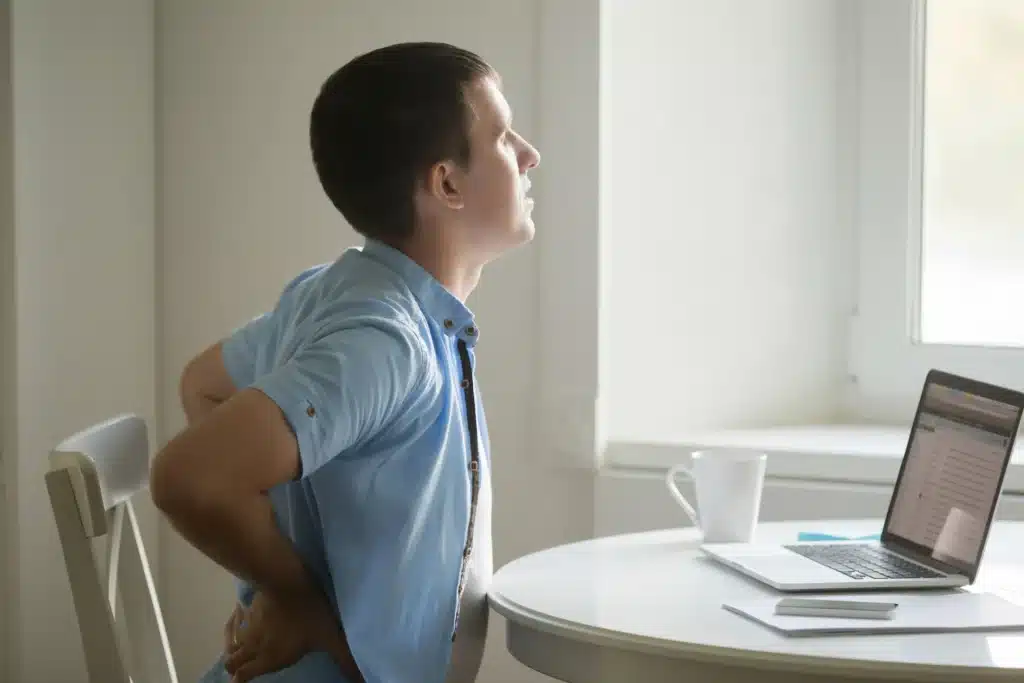
Your lower back and hips work hard every day.
They help you walk, sit, stand, bend, lift, sleep, and move through life. So when pain starts in your lower back or hips, it can affect almost everything you do.
You may feel it when getting out of bed. You may notice stiffness after sitting too long. You may feel pain while walking, driving, working, or trying to sleep. For some people, lower back pain also affects mood, energy, and focus.
The good news is that many cases of lower back and hip pain can improve naturally with the right habits. Simple changes like gentle movement, better posture, stretching, strengthening, sleep support, and stress reduction can make a big difference over time.
This guide will walk you through practical ways to relieve lower back pain and hip pain naturally. You will learn why the lower back and hips are connected, what triggers pain, which stretches and exercises may help, and when it may be time to see a chiropractor or healthcare provider.
The goal is not to push through pain or ignore symptoms. The goal is to understand your body better and support healing in a safe, consistent way.
Why Lower Back & Hip Pain Often Happen Together
Lower back and hip pain often show up together because these areas are closely connected. Your lower back, pelvis, hips, glutes, and core muscles all work as one system.
When one part of that system becomes weak, tight, or overworked, another part often has to compensate. Over time, that compensation can lead to stiffness, muscle tension, and pain.
How the Lower Back and Hips Are Connected
Your lumbar spine is the lower part of your back. It sits above the pelvis and helps support your upper body. Your hips connect to the pelvis and help control walking, bending, standing, and rotation.
The glutes support hip movement. The hip flexors help lift your legs and bend at the waist. The core muscles help stabilize the spine.
When your hips are tight or weak, your lower back may work harder than it should. When your core is weak, your spine may not get enough support. When your posture is poor, your muscles may stay under constant stress.
This is why hip mobility, muscle balance, and spinal alignment all matter for lower back pain relief.
Common Signs Your Hips May Be Causing Back Pain
Your hips may be contributing to your back pain if you notice:
- Tightness in the front of the hips
- Pain after standing for a long time
- Pain after walking
- Morning stiffness
- One-sided lower back pain
- Pain that improves after stretching or movement
- Trouble sitting comfortably for long periods
Sometimes the pain feels like it is only in your lower back, but the root cause may include tight hips, weak glutes, or poor movement patterns.
The Most Common Causes
Lower back and hip pain can happen for many reasons. Some are mild and temporary. Others need professional care.
Common causes include:
- Poor posture
- Weak core muscles
- Sitting too much
- Heavy lifting
- Muscle strain
- Sciatica
- Arthritis
- Herniated disc
- Tight hip flexors
- Muscle imbalance
- Poor spinal alignment
Sciatica can also cause pain that travels from the lower back into the hip, buttock, or leg. This may happen when a nerve becomes irritated or compressed.
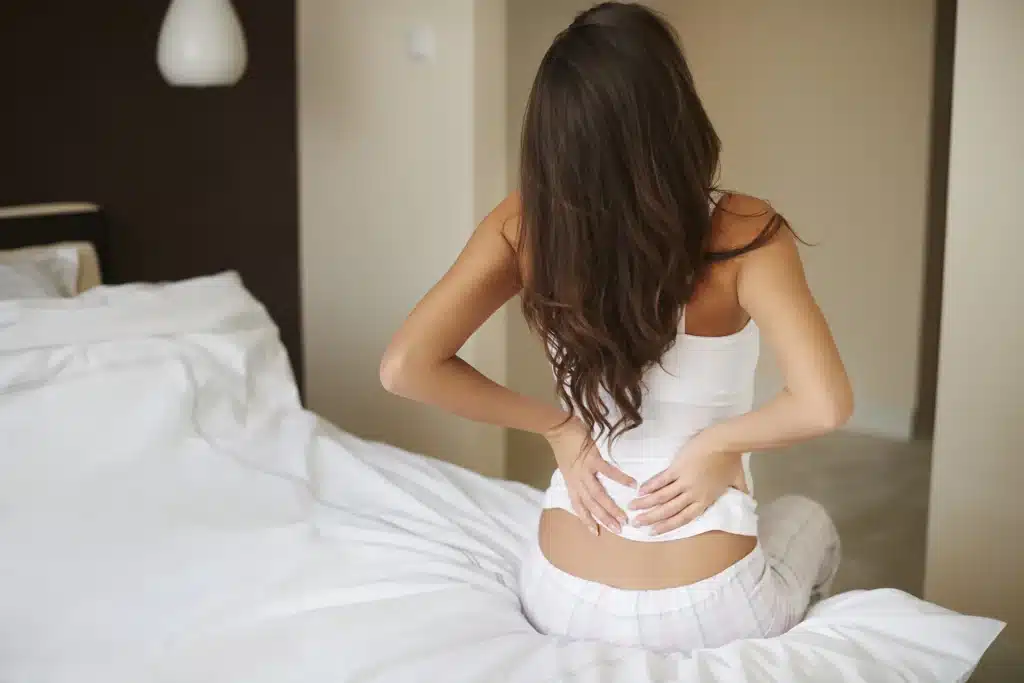
10 Common Triggers of Lower Back Pain Most People Ignore
Lower back pain does not always come from one big injury. Many times, it builds slowly from daily habits.
Here are common triggers that people often overlook.
Sitting Too Long
Sitting for long hours can place pressure on the lower spine. It can also tighten the hip flexors, which may pull on the pelvis and increase tension in the lower back.
This is common for people who work at a desk, drive often, or spend long periods on the couch.
Try standing, walking, or stretching every 30 to 60 minutes.
Weak Glutes and Core Muscles
Your glutes and core muscles help support your spine. When these muscles are weak, your lower back may do too much work.
This can lead to fatigue, stiffness, and recurring pain.
Core strengthening and glute activation exercises can help improve spine stability.
Poor Sleeping Position
Your sleeping position can affect your back.
Sleeping on your stomach may twist your neck and place extra pressure on your spine. An old or sagging mattress may also fail to support your lower back and hips properly.
Side sleeping with a pillow between the knees or back sleeping with support under the knees may reduce pressure.
Stress and Muscle Tension
Stress can cause the body to tighten. Many people carry tension in their neck, shoulders, hips, and lower back.
Over time, this muscle tension can make pain worse.
Breathing exercises, gentle movement, and relaxation can help calm the nervous system and reduce tension.
Bad Lifting Habits
Lifting with your back instead of your legs can strain the spine. Twisting while lifting can also increase the risk of injury.
A safer habit is to keep the object close to your body, bend your knees, and avoid twisting while carrying weight.
Wearing Unsupportive Shoes
Shoes affect how your feet, knees, hips, and spine absorb impact.
Flat, worn-out, or unsupportive shoes may contribute to poor posture and lower back pain, especially if you stand or walk a lot.
Lack of Movement
Too much rest can make stiffness worse. While short rest may help after a painful flare-up, staying still for too long can reduce blood flow and slow recovery.
Gentle movement is often better than complete bed rest.
Tight Hamstrings
Tight hamstrings can pull on the pelvis and increase pressure on the lower back.
Stretching the hamstrings gently may help reduce tension and improve mobility.
Poor Posture While Using Phones
Looking down at your phone for long periods can round your shoulders and strain your spine.
This posture can affect the whole body, including the lower back.
Try holding your phone closer to eye level and taking posture breaks.
Carrying Extra Weight
Extra weight can add stress to the spine, hips, knees, and feet.
Even small lifestyle changes, like walking more, eating more whole foods, and improving strength, can help reduce stress on the body over time.
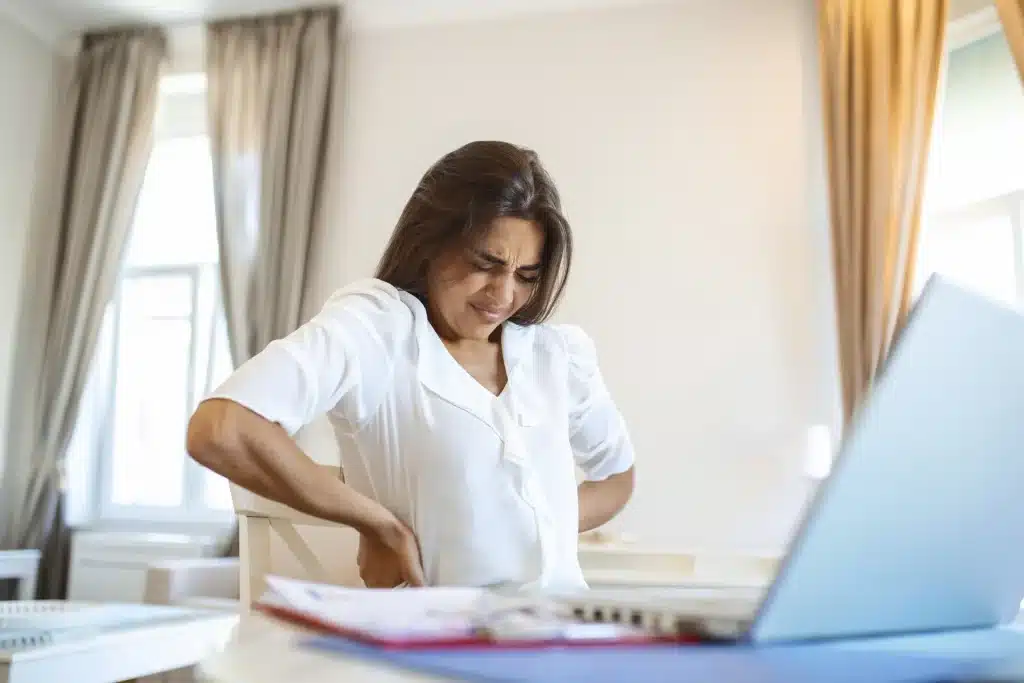
Natural Ways to Relieve Lower Back & Hip Pain at Home
Many people can manage mild to moderate lower back pain at home with simple, consistent habits.
The key is to avoid doing too much too soon. Start gently and listen to your body.
Gentle Movement Instead of Bed Rest
When your back hurts, it can be tempting to stay in bed. But too much rest can lead to more stiffness and weakness.
Gentle movement helps keep blood flowing. It also helps your joints and muscles stay flexible.
Try light walking, easy stretching, or slow mobility exercises. Avoid movements that cause sharp pain.
Walking for Back Pain Relief
Walking is one of the simplest ways to support back pain relief.
Short walks can help loosen stiff muscles, improve circulation, and reduce tension in the hips and lower back.
Start with 5 to 10 minutes at a comfortable pace. If it feels good, slowly increase the time.
Heat vs. Ice Therapy
Heat and ice can both help, but they are used for different situations.
Ice may help during the first 24 to 48 hours after a strain or flare-up. It can reduce swelling and calm irritation.
Heat may help with stiffness, tight muscles, and chronic lower back pain. It can relax muscle tension and improve blood flow.
Use either for 15 to 20 minutes at a time. Place a cloth between your skin and the ice or heat source.
Daily Stretching Routine
Stretching can help reduce tightness in the hips, glutes, hamstrings, and lower back.
You do not need a long routine. Even 5 to 10 minutes a day can help.
Focus on slow, gentle stretches. Do not bounce. Stop if you feel sharp pain, numbness, or tingling.
Improve Your Posture
Posture correction can reduce daily stress on your spine.
When sitting:
- Keep your feet flat on the floor
- Sit with your back supported
- Keep your knees around hip level
- Avoid slouching
When standing:
- Keep your weight balanced
- Avoid locking your knees
- Keep your shoulders relaxed
- Keep your head over your spine
When driving:
- Sit close enough to reach the pedals comfortably
- Support your lower back
- Avoid leaning forward
- Take breaks during long drives
Sleep Positions That Reduce Pressure
Better sleep posture can help reduce morning stiffness.
If you sleep on your side, place a pillow between your knees. This helps keep your hips aligned.
If you sleep on your back, place a pillow under your knees. This can reduce pressure on the lumbar spine.
Avoid sleeping on your stomach if it makes your pain worse.
Anti-Inflammatory Foods
Food will not instantly fix lower back pain, but it can support healing.
Focus on foods that help reduce inflammation and support overall health.
Good options include:
- Water
- Salmon, sardines, or other omega-3 foods
- Leafy greens
- Berries
- Fruits and vegetables
- Nuts and seeds
- Whole grains
Try to limit highly processed foods, excess sugar, and too much alcohol, especially if inflammation is a concern.
Stress Reduction Techniques
Stress can increase pain sensitivity and muscle tension.
Simple stress-reducing habits may help your body relax.
Try:
- Deep breathing
- Gentle yoga
- Prayer or meditation
- Slow walking
- Quiet time
- Light stretching before bed
Natural remedies for back pain work best when they are done consistently.
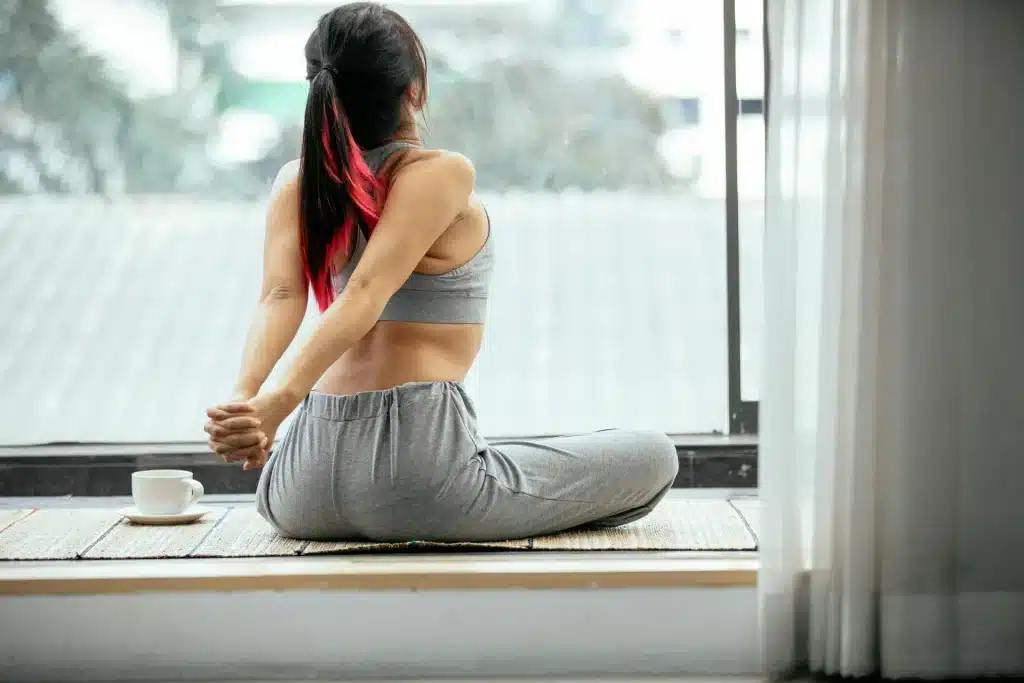
The Best Stretches for Lower Back & Hip Pain Relief
Stretching can help improve flexibility, reduce muscle tension, and support better movement.
Move slowly. Do not force any stretch.
Child’s Pose
What it helps:
Child’s Pose gently stretches the lower back, hips, and spine.
How to do it:
Start on your hands and knees. Sit your hips back toward your heels. Reach your arms forward and lower your chest toward the floor. Hold for 20 to 30 seconds.
Common mistakes:
Do not force your hips down. Avoid holding your breath.
Who should avoid it:
Avoid this stretch if it causes knee pain or sharp back pain.
Cat-Cow Stretch
What it helps:
Cat-Cow improves spinal mobility and helps reduce stiffness.
How to do it:
Start on your hands and knees. Arch your back gently as you lift your chest. Then round your back slowly as you tuck your chin. Repeat 8 to 10 times.
Common mistakes:
Do not rush. Keep the movement smooth.
Who should avoid it:
Avoid it if being on your hands and knees is painful.
Knee-to-Chest Stretch
What it helps:
This stretch relaxes the lower back and glutes.
How to do it:
Lie on your back. Bring one knee toward your chest. Hold behind your thigh or shin. Hold for 20 to 30 seconds, then switch sides.
Common mistakes:
Do not pull too hard. Keep your shoulders relaxed.
Who should avoid it:
Avoid it if it increases hip pain or causes nerve symptoms.
Piriformis Stretch
What it helps:
This stretch may help with tight glutes and sciatica-related discomfort.
How to do it:
Lie on your back. Cross one ankle over the opposite thigh. Pull the uncrossed leg gently toward your chest. Hold for 20 to 30 seconds.
Common mistakes:
Do not twist your lower back. Keep the movement gentle.
Who should avoid it:
Avoid it if it causes sharp pain, numbness, or tingling.
Hip Flexor Stretch
What it helps:
This stretch targets tight hip flexors, which can contribute to lower back pain.
How to do it:
Start in a half-kneeling position. One knee is on the floor and the other foot is in front. Gently shift your hips forward. Keep your chest tall. Hold for 20 to 30 seconds.
Common mistakes:
Do not arch your lower back. Keep your core lightly engaged.
Who should avoid it:
Avoid it if kneeling bothers your knees.
Figure-4 Stretch
What it helps:
The Figure-4 stretch helps the hips, glutes, and lower back.
How to do it:
Lie on your back. Cross one ankle over the opposite thigh. Gently pull the bottom leg toward you. Hold for 20 to 30 seconds.
Common mistakes:
Do not pull through pain. Keep your neck relaxed.
Who should avoid it:
Avoid it if it causes hip pinching or nerve pain.
Seated Spinal Twist
What it helps:
This stretch may help improve spinal rotation and reduce stiffness.
How to do it:
Sit tall in a chair. Turn gently to one side, using the chair for light support. Hold for 10 to 20 seconds, then switch sides.
Common mistakes:
Do not twist aggressively. Keep the movement controlled.
Who should avoid it:
Avoid it if twisting makes your back pain worse.
Strengthening Exercises That Support Your Spine
Stretching helps with mobility, but strength helps with support.
Strong core, glute, and hip muscles help protect the lower back during daily movement.
Why Strength Matters More Than Rest
Rest may calm pain for a short time, but it does not build support.
Strengthening exercises help your body handle walking, bending, lifting, and standing with less strain.
Start with beginner-friendly movements and focus on control.
Bird Dog Exercise
How to do it:
Start on your hands and knees. Extend one arm forward and the opposite leg back. Hold for a few seconds, then return. Switch sides.
Safety tips:
Keep your hips level. Do not arch your back.
How often:
Do 2 sets of 8 to 10 reps per side, 3 to 4 times per week.
Glute Bridges
How to do it:
Lie on your back with knees bent and feet flat. Tighten your glutes and lift your hips. Lower slowly.
Safety tips:
Do not push through your lower back. Focus on squeezing the glutes.
How often:
Do 2 to 3 sets of 10 reps, 3 to 4 times per week.
Dead Bugs
How to do it:
Lie on your back with your arms up and knees bent. Slowly lower one arm and the opposite leg. Return and switch sides.
Safety tips:
Keep your lower back close to the floor. Move slowly.
How often:
Do 2 sets of 8 to 10 reps per side.
Wall Sits
How to do it:
Stand with your back against a wall. Slide down slightly as if sitting in a chair. Hold for 10 to 30 seconds.
Safety tips:
Keep your knees aligned with your feet. Do not go too low if it causes pain.
How often:
Do 2 to 3 rounds, 2 to 3 times per week.
Pelvic Tilts
How to do it:
Lie on your back with knees bent. Gently flatten your lower back into the floor by tightening your core. Release and repeat.
Safety tips:
Use small movements. Do not strain.
How often:
Do 10 to 15 reps daily.
Clamshell Exercise
How to do it:
Lie on your side with knees bent. Keep your feet together and lift the top knee. Lower slowly.
Safety tips:
Do not roll your hips backward. Keep your movement controlled.
How often:
Do 2 sets of 10 reps per side, 3 times per week.
When Lower Back Pain Could Be Something Serious
Most lower back pain improves with time, movement, and proper care. But some symptoms should not be ignored.
Warning Signs You Should Never Ignore
Seek medical care right away if you have:
- Numbness in the groin or saddle area
- Loss of bladder or bowel control
- Severe leg weakness
- Fever with back pain
- Severe night pain
- Pain after a major fall or injury
- Unexplained weight loss
- Pain that keeps getting worse
These symptoms may point to a more serious issue.
Pain That Travels Down the Leg
Pain that travels from the lower back into the buttock, hip, or leg may be related to sciatica or nerve irritation.
You may also feel burning, tingling, numbness, or weakness.
If these symptoms continue or worsen, it is best to get evaluated.
When Pain Lasts Longer Than 12 Weeks
Pain that lasts longer than 12 weeks is often considered chronic lower back pain.
Chronic pain does not always mean something dangerous is happening, but it does mean your body may need more support.
A healthcare provider can help identify the cause and guide treatment.
When to See a Chiropractor or Healthcare Provider
Consider seeing a chiropractor or healthcare provider if:
- Pain does not improve after a few weeks
- Pain keeps returning
- You have trouble walking, standing, or sleeping
- You feel pain down the leg
- You have severe back pain
- Home treatment is not helping
Getting the right guidance early may help prevent the problem from getting worse.
How Chiropractic Care Helps Lower Back & Hip Pain Naturally
Chiropractic care may help some people manage lower back and hip pain naturally.
The goal is to improve movement, reduce tension, and support better spinal function.
What Chiropractic Adjustments Do
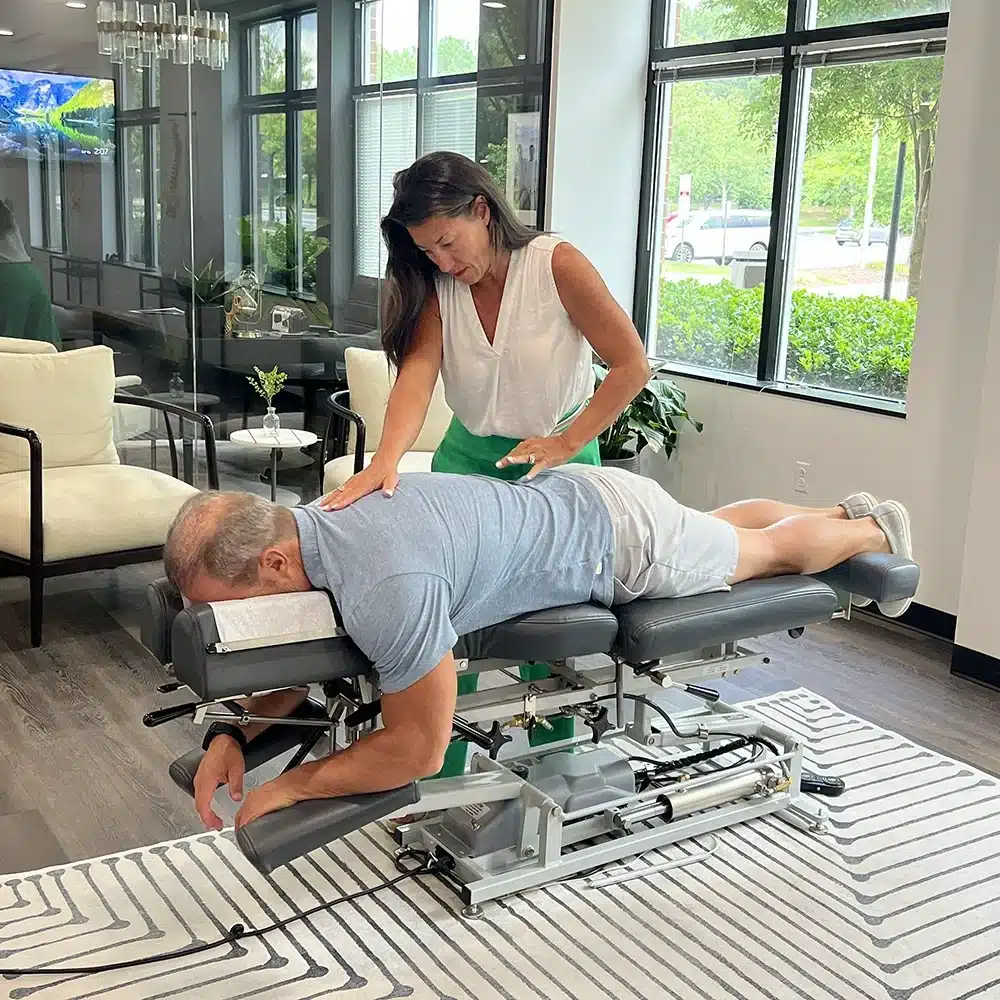
Chiropractic adjustments are hands-on techniques used to help improve joint movement and spinal alignment.
When joints are not moving well, nearby muscles may tighten. This can create stiffness, discomfort, and limited mobility.
Benefits of Spinal Alignment
Better spinal alignment may help reduce stress on the lower back, pelvis, and hips.
It may also help the body move more efficiently during daily activities.
Chiropractic care is not a magic fix, but it can be part of a helpful back pain management plan.
Improving Hip Mobility
Because the hips and lower back work together, improving hip mobility may reduce strain on the lumbar spine.
A chiropractor may check how your hips, pelvis, and spine move together.
Reducing Muscle Tension
Lower back pain often comes with tight muscles.
Chiropractic care may be combined with soft tissue work, stretching, or corrective exercises to reduce muscle tension and improve movement.
Combining Chiropractic Care With Exercise
For many people, the best results come from combining care with movement.
This may include:
- Stretching
- Core strengthening
- Glute exercises
- Posture correction
- Ergonomic changes
- Better lifting habits
This balanced approach supports long-term relief instead of only short-term pain reduction.
Daily Habits That Prevent Lower Back Pain From Returning
Once your pain improves, prevention matters.
Small daily habits can help protect your spine and reduce future flare-ups.
Move Every 30–60 Minutes
If you sit for work, set a reminder to stand, stretch, or walk.
Even one or two minutes of movement can help reduce stiffness.
Lift Properly
When lifting, bend your knees and keep the object close to your body.
Avoid twisting while carrying something heavy.
Strengthen Your Core Weekly
Core strengthening helps support your lower back.
You do not need intense workouts. Simple exercises like bird dogs, dead bugs, and pelvic tilts can help.
Stay Hydrated
Hydration supports your muscles, joints, and overall spine health.
Drink water throughout the day, especially if you are active or spend time in the heat.
Stretch After Workouts
Stretching after exercise can help reduce tightness in the hips, hamstrings, and lower back.
Keep stretches gentle and controlled.
Build Better Desk Ergonomics
Set up your workspace to support better posture.
Keep your screen at eye level. Sit with your feet flat. Use a chair that supports your lower back.
Wear Supportive Shoes
Supportive shoes can help your body absorb impact better.
This is especially important if you stand or walk for long hours.
Frequently Asked Questions About Lower Back & Hip Pain
Can walking help lower back pain?
Yes. Walking can help improve blood flow, reduce stiffness, and support gentle movement. Start with short walks and increase slowly.
Is it better to rest or stay active?
For most mild lower back pain, gentle activity is better than complete bed rest. Too much rest can make stiffness worse.
Why does my back hurt when I sit?
Sitting can tighten the hip flexors and place pressure on the lower spine. Poor posture can make this worse.
Can tight hips cause lower back pain?
Yes. Tight hips can affect pelvic movement and increase stress on the lower back.
Should I use heat or ice?
Use ice for recent injuries or swelling. Use heat for stiffness and muscle tension. Use each for 15 to 20 minutes at a time.
How long does lower back pain last?
Many mild cases improve within a few days to a few weeks. Pain that lasts longer than 12 weeks may be considered chronic and should be evaluated.
Can stress make back pain worse?
Yes. Stress can increase muscle tension and pain sensitivity, which may make lower back pain feel worse.
Final Thoughts: Small Daily Changes Create Long-Term Relief
Lower back and hip pain can be frustrating, but small daily changes can make a real difference.
You do not need to fix everything at once. Start with gentle movement, better posture, simple stretches, and beginner-friendly strengthening exercises.
Over time, these habits can help reduce stiffness, support your spine, improve hip mobility, and lower your risk of future pain.
Consistency matters more than perfection.
If your pain is severe, keeps coming back, travels down your leg, or does not improve, it may be time to speak with a chiropractor or healthcare provider. The right guidance can help you understand the cause of your pain and choose the safest path forward.