




Introduction
Sharp pain shooting down your leg. Numbness in your foot. Tingling through your hip or thigh. Trouble sitting through work, driving across town, or sleeping comfortably at night.
Many people think they simply have “back pain,” but when pain travels from the lower back into the buttock, hip, leg, or foot, the sciatic nerve may be involved. This condition is commonly known as sciatica.
Sciatica can range from mild irritation to severe, life-disrupting nerve pain. The good news is that many cases improve with conservative, non-surgical care. Natural sciatica treatment often focuses on movement, posture, inflammation control, spinal mechanics, muscle balance, and identifying the real source of nerve irritation.
This guide explains what causes sciatica, common sciatica symptoms, how to relieve sciatica pain naturally, which exercises and stretches may help, what to avoid, when symptoms become urgent, and when to see a sciatica chiropractor in Richmond, VA for professional evaluation.
What Is Sciatica?
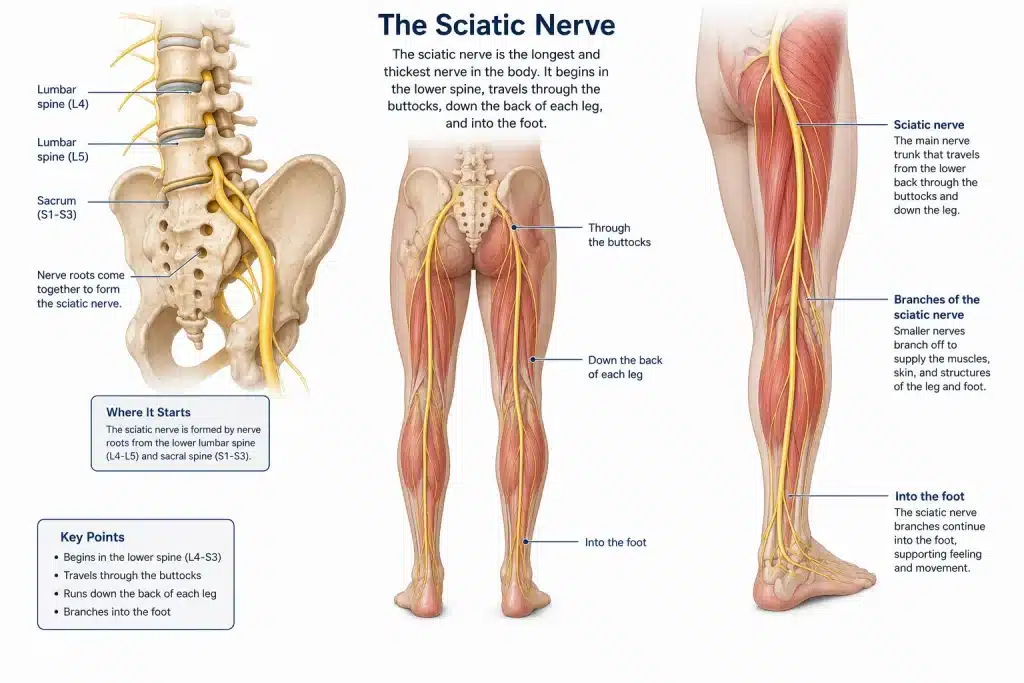
Sciatica is pain caused by irritation, compression, or inflammation involving the sciatic nerve or the nerve roots that form it. The sciatic nerve is the longest nerve in the body. It begins in the lower spine, travels through the buttocks, and runs down the back of each leg into the foot. Cleveland Clinic explains that sciatica can cause pain, tingling, numbness, or weakness that travels from the back or buttock into the leg, foot, or toes.
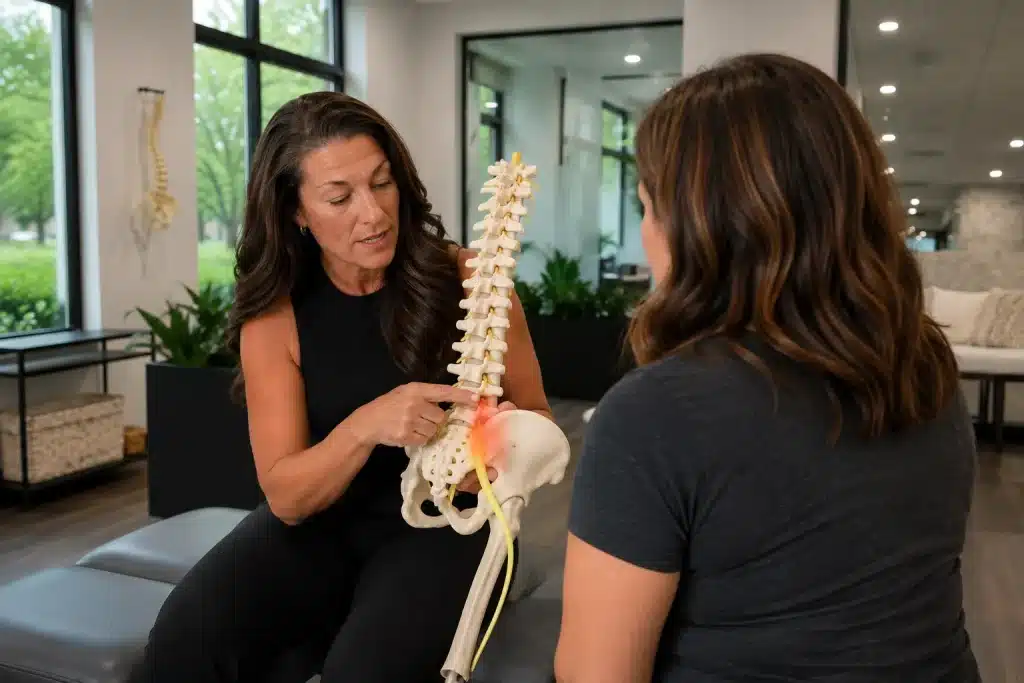
It is important to understand that sciatica is not a diagnosis by itself. It is a symptom pattern. Something is irritating or compressing the nerve, and the pain is being referred along the nerve pathway.
This is why lower back pain and sciatica often appear together. A person may feel pain in the hip, thigh, calf, or foot, but the true source may be in the lumbar spine, pelvis, disc, or surrounding soft tissue.
Image suggestion: Add a diagram showing the sciatic nerve starting in the lower spine, passing through the buttocks, and traveling down the back of each leg into the foot.
What Causes Sciatica?
Sciatica can develop for several reasons. Some causes are structural, while others are related to posture, muscle tension, movement habits, or repeated stress.
Herniated Disc
A herniated disc is one of the most common causes of sciatica. Spinal discs sit between the bones of the spine and act as shock absorbers. When disc material bulges or leaks outward, it may irritate or press on a nerve root.
The American Association of Neurological Surgeons notes that most herniated discs do not require surgery and that symptoms of sciatica or radiculopathy improve over time in about 9 out of 10 people, though recovery time varies from days to weeks.
Spinal Stenosis
Spinal stenosis means the space around the spinal nerves becomes narrowed. This can place pressure on nerve roots and lead to leg pain, numbness, tingling, or weakness. It is more common with age-related spinal changes.
Degenerative Disc Disease
As discs lose hydration and height over time, the spine may become less stable or more compressed. This can contribute to nerve irritation, lower back pain, and sciatica symptoms.
Piriformis Syndrome
The piriformis is a small muscle deep in the buttock. If it becomes tight, irritated, or overactive, it may press on or irritate the sciatic nerve. This can mimic classic sciatica, causing buttock pain that travels into the hip or leg.
Pregnancy
During pregnancy, changes in posture, pelvic position, weight distribution, and ligament laxity can increase stress on the lower back and pelvis. Some pregnant patients experience sciatic-type pain as the body adapts.
Poor Posture
Slouching, rounded shoulders, forward head posture, and a tucked or tilted pelvis can increase stress on the lumbar spine. Over time, poor posture may contribute to lower back pain and sciatica.
Prolonged Sitting
Sitting for long hours can tighten hip flexors, weaken glutes, compress the glute region, and increase disc pressure. Mayo Clinic lists prolonged sitting and a lack of movement as risk factors for sciatica-related problems.
Heavy Lifting
Jobs or activities that require frequent twisting, bending, lifting, or carrying heavy loads may increase stress on the lower back. Poor lifting mechanics can aggravate disc irritation or nerve compression.
Common Symptoms of Sciatica
Sciatica symptoms vary from person to person. Some people feel mild discomfort. Others experience intense nerve pain that affects walking, sleep, and daily activities.
Common symptoms include:
- Burning pain down the leg
- Electric shock-like pain
- Tingling in the buttock, thigh, calf, foot, or toes
- Numbness
- Leg weakness
- Pain when sitting
- Pain that travels below the knee
- Foot or toe symptoms
- Pain that worsens with coughing, sneezing, bending, or prolonged sitting
- Lower back pain with radiating leg pain
Sciatic nerve pain relief depends on what is causing the symptoms. A treatment that helps piriformis-related sciatica may not be enough for disc-related nerve compression. That is why diagnosis and assessment matter.
Who Is Most at Risk?
Certain people are more likely to develop sciatica because of their lifestyle, work demands, health status, or spinal changes.
Desk workers may be at risk because prolonged sitting can increase lower back and hip stiffness. Truck drivers and delivery drivers may experience symptoms from long periods of sitting and vibration exposure. Warehouse workers, nurses, caregivers, and tradespeople may be at risk because of repeated lifting, bending, and twisting.
Athletes may develop sciatica from repetitive loading, muscle imbalance, or overuse. Older adults may be more likely to experience spinal stenosis, degenerative disc changes, or arthritis-related nerve irritation. People carrying extra weight may have increased spinal load, and Mayo Clinic notes that obesity can increase stress on the spine.
Smoking may also increase risk by affecting circulation and tissue healing. Weak core muscles can reduce spinal support, which may make the lower back more vulnerable to strain or irritation.
Natural Ways to Relieve Sciatica
Natural sciatica treatment focuses on reducing irritation, improving movement, supporting the spine, and avoiding habits that keep the nerve sensitive. Not every strategy works for every person, so start gently and stop anything that worsens leg pain, numbness, or weakness.
Stay Moving
In the past, many people were told to rest in bed for back pain and sciatica. Today, most conservative recommendations encourage staying as active as tolerated. Prolonged bed rest can lead to stiffness, muscle weakness, and slower recovery. A Cochrane review found little or no benefit from bed rest compared with staying active for sciatica.
This does not mean pushing through severe pain. It means avoiding unnecessary inactivity and choosing gentle, tolerable movement.
Walking
Walking is one of the simplest forms of sciatica pain relief at home. It promotes circulation, keeps the spine and hips moving, and may reduce stiffness from prolonged sitting.
Start with short walks. Even 5 to 10 minutes may help during a flare-up. Keep your stride comfortable, avoid hills at first, and stop if pain rapidly worsens or travels farther down the leg.
Gentle Stretching
Stretches for sciatica should feel relieving, not aggressive. If stretching increases shooting pain, numbness, or tingling, back off.
A piriformis stretch may help if symptoms are coming from glute tightness. Lie on your back, cross one ankle over the opposite thigh, and gently pull the thigh toward your chest.
A hamstring stretch may help reduce tension along the back of the leg. Keep the knee slightly bent and avoid forcing the stretch.
A knee-to-chest stretch can gently open the lower back and hips. Bring one knee toward your chest, hold briefly, and switch sides.
The NHS provides sciatica exercise guidance and notes that gentle exercises may help many people manage symptoms safely.
Heat Therapy
Heat can be helpful when muscles feel tight, guarded, or stiff. Use a warm compress, heating pad, or warm shower for 10 to 15 minutes. Heat may be especially useful for chronic tension around the lower back, glutes, and hips.
Avoid sleeping directly on a heating pad, and do not use heat on areas with reduced sensation unless advised by a professional.
Ice Therapy
Ice may be helpful during an acute flare-up, especially when pain feels sharp, inflamed, or recently aggravated. Apply a wrapped cold pack for 10 to 15 minutes at a time. Do not place ice directly on the skin.
Some people respond better to heat, while others prefer ice. It is reasonable to try both and use whichever reduces symptoms.
Improve Sitting Posture
Sitting with sciatica can be challenging because pressure through the lower back, pelvis, and glutes may aggravate the nerve.
Try these sitting tips:
- Use a small lumbar support behind the lower back.
- Keep both feet flat on the floor.
- Avoid crossing your legs.
- Sit with hips slightly higher than knees if possible.
- Stand up every 30 to 45 minutes.
- Avoid sitting on a wallet or uneven surface.
- Keep screens at eye level to reduce slouching.
If sitting always worsens symptoms, your care plan should address posture, hip mobility, core strength, and possible disc or nerve involvement.
Sleep Position
The best sleeping position for sciatica is the one that keeps the spine, pelvis, and hips supported without increasing leg pain.
Side sleepers may feel better with a pillow between the knees. This helps keep the pelvis from rotating forward. Back sleepers may benefit from a pillow under the knees to reduce tension through the lower back.
If one position causes symptoms to travel farther down the leg, change positions. A supportive mattress and pillow setup can make a major difference.
Maintain a Healthy Weight
Excess weight can increase load through the lower back, discs, hips, and pelvis. Weight management may reduce mechanical stress and improve mobility, especially when combined with walking, strengthening, and better nutrition.
This does not require extreme dieting. Small, consistent habits can reduce inflammation and improve spinal support over time.
Anti-Inflammatory Lifestyle
Inflammation can make nerve pain more sensitive. While food alone cannot “cure” sciatica, an anti-inflammatory lifestyle may support recovery.
Focus on sleep, hydration, whole foods, lean protein, fruits, vegetables, omega-3-rich foods, stress management, and regular movement. Limit heavy alcohol use, highly processed foods, and excessive sugar if they worsen inflammation or sleep quality.
Can Chiropractic Care Help Sciatica?
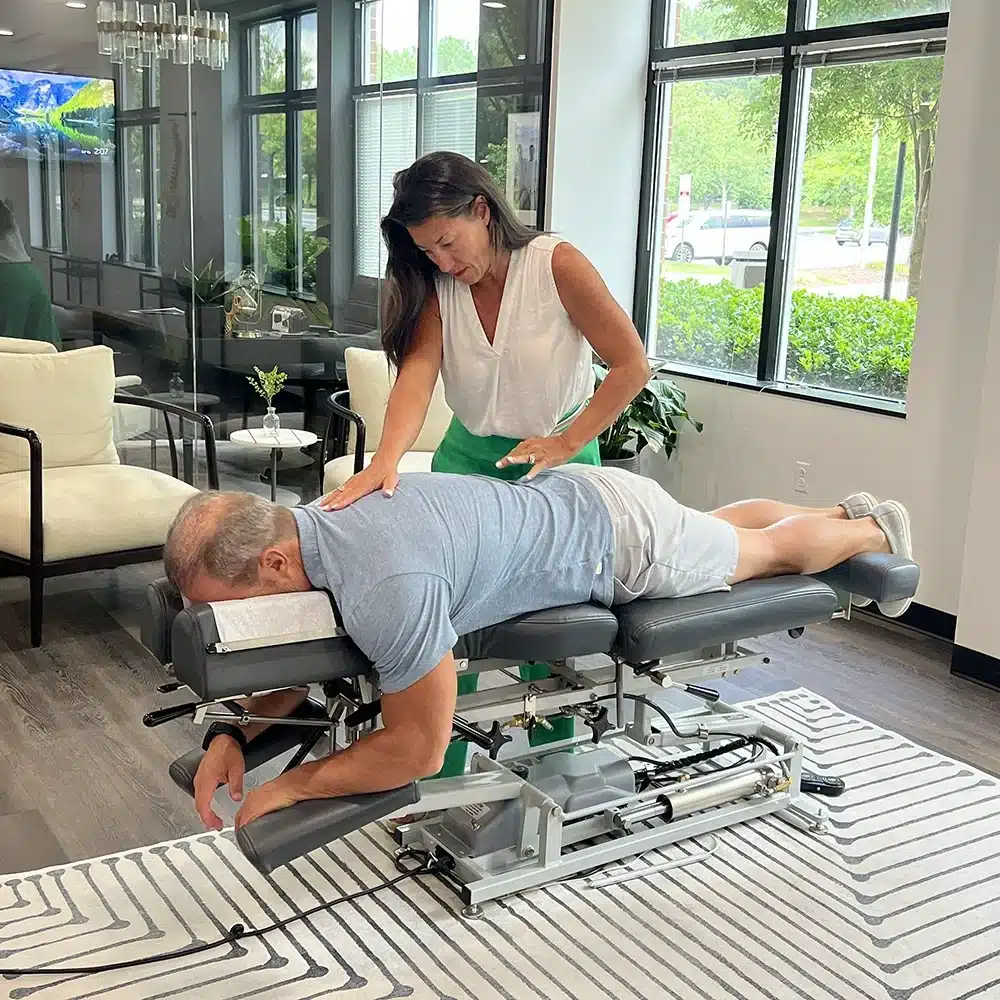
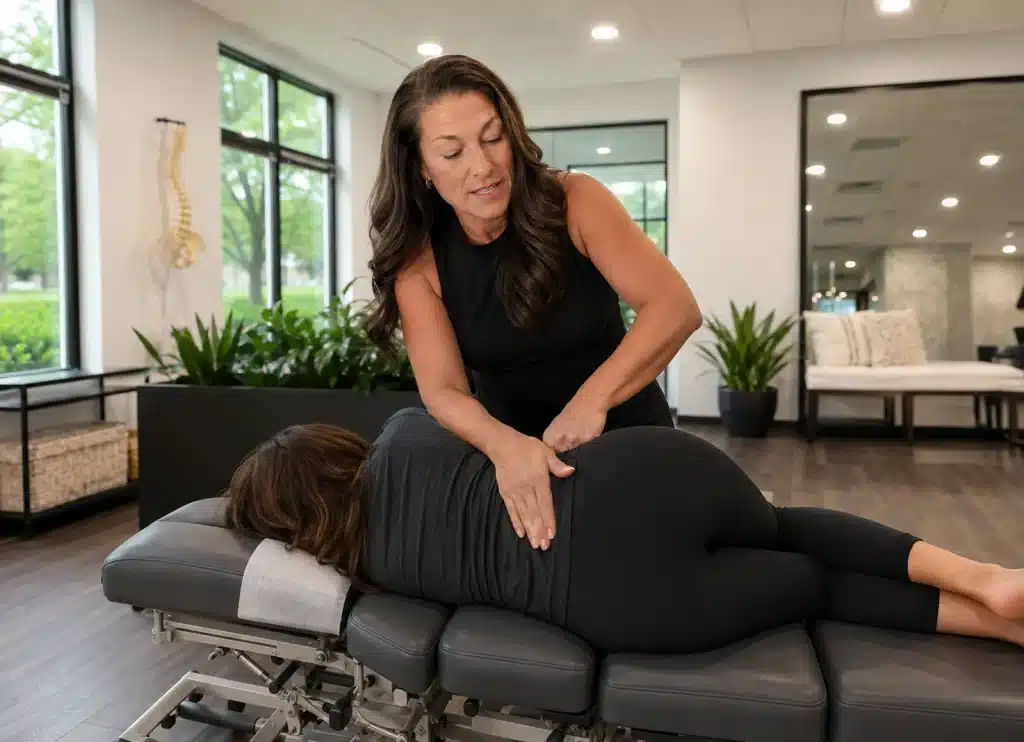
Chiropractic for sciatica focuses on improving spinal and pelvic mechanics, reducing movement restrictions, easing muscle tension, and supporting better nerve function. A sciatica chiropractor may use spinal adjustments, joint mobilization, soft tissue therapy, posture correction, and personalized rehabilitation exercises.
The goal is not to “mask” pain. It is to identify what may be irritating the sciatic nerve and reduce mechanical stress on the lower back, pelvis, hips, and surrounding tissues.
Research and clinical guidelines support conservative care for many cases of low back pain and sciatica. NICE recommends considering manual therapy, including spinal manipulation, mobilization, or soft tissue techniques, only as part of a package that includes exercise, with or without psychological therapy.
The American College of Physicians also recommends non-drug therapies such as superficial heat, massage, acupuncture, or spinal manipulation for acute or subacute low back pain.
Chiropractic care is not a guaranteed cure for sciatica, and results depend on the cause. Someone with mild mechanical irritation may respond differently than someone with severe spinal stenosis or progressive neurological weakness. A proper evaluation helps determine whether chiropractic care, non-surgical sciatica treatment, imaging, or referral is appropriate.
What Treatments Should Usually Be Avoided?
Some choices may delay recovery or make sciatica worse.
Prolonged bed rest is usually not helpful. Short rest may be necessary during severe flare-ups, but staying inactive for days can increase stiffness and weakness.
Self-prescribing pain medication without guidance can be risky. Over-the-counter medications may not be safe for people with kidney disease, ulcers, blood thinners, heart disease, or other medical conditions. Always follow label instructions and consult a provider if unsure.
Aggressive stretching during acute flare-ups can irritate the nerve further. Nerve pain does not always respond well to forceful stretching. Gentle movement is safer.
Ignoring worsening symptoms is also risky. Numbness, weakness, bowel or bladder changes, and pain that rapidly worsens should not be brushed off.
When Should You See a Chiropractor?
Consider seeing a chiropractor if your sciatica symptoms last more than two weeks, keep returning, interfere with sitting or walking, affect sleep, or reduce your quality of life.
You should also seek professional evaluation if symptoms include numbness, tingling, weakness, pain traveling below the knee, or recurring lower back pain and sciatica.
A sciatica chiropractor in Richmond, VA can help assess whether symptoms are related to disc irritation, pelvic imbalance, posture, muscle tension, joint restriction, or another cause. From there, your provider can create a personalized plan that may include chiropractic adjustments, corrective exercise, soft tissue work, ergonomic guidance, and home care strategies.
When Is Sciatica an Emergency?
Callout Box: Seek immediate medical care if you experience:
- Loss of bladder control
- Loss of bowel control
- Trouble starting or stopping urination
- Rapidly worsening leg weakness
- Numbness in the saddle area, including the groin or inner thighs
- Severe trauma
- Suspected fracture
- Fever, infection symptoms, or unexplained severe illness
These symptoms may suggest a serious condition such as cauda equina syndrome, infection, fracture, or severe nerve compression. Cleveland Clinic describes cauda equina syndrome as a medical emergency that can involve back pain, leg weakness, numbness, urinary or fecal incontinence, and urinary retention.
Do not wait for chiropractic care if emergency warning signs are present. Get medical attention immediately.
How Long Does Sciatica Usually Last?
Sciatica recovery varies. Some acute flare-ups improve within days or weeks, especially when the nerve irritation is mild and the person stays active, avoids triggers, and follows appropriate care.
Chronic sciatica may last longer than 12 weeks or return repeatedly. Recurrence is common when the underlying cause is not addressed, such as poor posture, weak core muscles, prolonged sitting, or repeated lifting mechanics.
For herniated disc-related sciatica, many people improve without surgery over time, but the timeline depends on the severity of nerve irritation, activity demands, general health, and treatment consistency.
Can Sciatica Be Prevented?
Not every case of sciatica can be prevented, but many flare-ups can be reduced with better daily habits.
Move often throughout the day. Strengthen your core, glutes, and hips. Avoid sitting for long uninterrupted periods. Practice safer lifting mechanics. Keep frequently used items close to avoid twisting and reaching. Maintain a healthy weight. Stay hydrated. Prioritize sleep. Use supportive footwear when standing or walking for long periods.
Prevention is not one big change. It is the repeated practice of small habits that reduce stress on the lower back and sciatic nerve.
Frequently Asked Questions
What is the fastest natural way to relieve sciatica?
The fastest natural approach is usually gentle movement, position changes, heat or ice, and avoiding the posture that triggered the flare-up. Short walks, supported lying positions, and gentle stretches may help. If pain worsens, travels farther down the leg, or includes weakness, seek professional care.
Can walking make sciatica worse?
Walking can help many people with sciatica, but it can worsen symptoms if done too long, too fast, or with poor mechanics. Start with short walks on flat ground. If pain increases sharply or travels farther down the leg, stop and get assessed.
Is sitting bad for sciatica?
Sitting can aggravate sciatica because it increases pressure through the lower back, pelvis, glutes, and discs. Sitting with sciatica is usually more tolerable when you use lumbar support, keep feet flat, avoid crossing legs, and take standing breaks every 30 to 45 minutes.
Is chiropractic good for sciatica?
Chiropractic care may help when sciatica is related to spinal restriction, pelvic imbalance, disc irritation, or muscle tension. It should be based on a proper exam and paired with exercise and lifestyle guidance when appropriate. It is not suitable for emergency symptoms.
Does sciatica go away on its own?
Many cases of sciatica improve over time with conservative care, especially when symptoms are mild to moderate. However, recurring or worsening symptoms should be evaluated. Pain lasting longer than a few weeks may need a more structured treatment plan.
Can stress make sciatica worse?
Stress may not directly compress the sciatic nerve, but it can increase muscle tension, worsen sleep, heighten pain sensitivity, and reduce recovery habits. Stress management, breathing, sleep improvement, and gentle movement may support sciatica pain relief.
What sleeping position helps sciatica?
Side sleeping with a pillow between the knees may help keep the pelvis aligned. Back sleeping with a pillow under the knees may reduce lower back tension. Avoid positions that increase leg pain, tingling, or numbness.
Should I use heat or ice?
Use ice for sharp, acute, or recently aggravated pain. Use heat for tight, stiff, or guarded muscles. Apply either for 10 to 15 minutes, wrapped safely. Many people use both at different times depending on symptoms.
Can dehydration affect nerve pain?
Dehydration does not usually cause sciatica by itself, but poor hydration can affect muscle function, tissue recovery, and general pain sensitivity. Hydration is one piece of a healthy recovery plan, along with movement, sleep, nutrition, and posture.
When should I seek professional treatment?
Seek professional treatment if sciatica lasts more than two weeks, keeps returning, affects walking or sleep, causes numbness or weakness, or travels below the knee. Seek emergency care for bowel or bladder changes, saddle numbness, severe trauma, or rapidly worsening weakness.
Conclusion
Most cases of sciatica improve with conservative care, especially when treatment addresses the underlying cause instead of only chasing symptoms. Natural sciatica relief may include walking, gentle stretching, heat or ice, posture changes, better sleep positioning, anti-inflammatory habits, and professional care when needed.
Early treatment often leads to better outcomes because it helps prevent nerve irritation from becoming more severe or recurring. Healthy daily habits can also reduce future flare-ups.
If sciatic nerve pain is interfering with sitting, walking, sleeping, work, or daily life, schedule an assessment with HFC Wellness. A personalized evaluation can help identify what is causing your symptoms and guide the right non-surgical sciatica treatment plan for your body.