





Your lower back pain may not come from one injury. It may come from the small things you do every day.
The way you sit, sleep, move, work, eat, and carry items can slowly add stress to your lumbar spine. Over time, these daily habits may lead to back stiffness, muscle strain, inflammation, and chronic lower back pain.
Modern lifestyles make this even worse. Many people sit for hours, look down at phones, skip exercise, and ignore early signs of discomfort until the pain becomes harder to manage.
The good news is that small changes can help protect your spinal health. You do not need to overhaul your entire life. You just need to understand which habits may be making your lower back pain worse and replace them with better ones.
Below are seven common daily habits that can quietly strain your back, plus simple fixes you can start today.

Why Daily Habits Matter More Than You Think
Small Movements Create Big Stress on the Spine
Your spine is designed to move, but repeated stress can wear it down.
Poor posture habits, awkward sitting positions, and improper lifting can place extra pressure on the lumbar spine. At first, you may only feel mild lower back discomfort. But when the same movement pattern happens daily, it can affect spinal alignment and lead to more pain.
Small habits matter because they add up.
Sitting poorly for one day may not cause a major problem. Sitting poorly every day for months can.
When Lower Back Pain Becomes Chronic
Lower back pain can become chronic when stiffness, inflammation, and poor movement patterns are ignored.
You may start by feeling tightness after sitting. Then it becomes pain when standing. Later, it may affect walking, sleeping, or exercising.
In some cases, irritated nerves may also cause sciatica symptoms, such as pain, tingling, or numbness that travels into the hip, buttock, or leg.
That is why it is important to correct daily habits early.
1. Sitting Too Long Without Moving
Why Prolonged Sitting Hurts the Lower Back
Sitting too long places pressure on the spinal discs in your lower back.
It can also tighten the hip flexors, which are the muscles in the front of your hips. When these muscles get tight, they can pull on your pelvis and increase lower back strain.
A sedentary lifestyle can also reduce blood flow. This may increase stiffness and make your back feel worse when you finally stand up.
Signs Your Desk Job Is Causing Back Pain
Your desk job may be affecting your back if you notice:
- Aching in your lower back
- Tight hips
- Pain after standing up
- Back stiffness after long meetings
- Discomfort that improves after walking
- Slouching without realizing it
These are signs that your body needs more movement and better support.
Quick Fixes That Help
Start with simple changes.
Stand up every 30 minutes. Take short walking breaks. Use lumbar support to protect the natural curve of your lower back.
You can also add simple desk stretches during the day. Even one or two minutes of movement can help reduce spinal pressure.
A better office posture can also help. Keep your feet flat, your screen at eye level, and your lower back supported.
2. Slouching While Using Your Phone or Laptop
How Poor Posture Strains the Spine
Slouching does not only affect your neck and shoulders. It can affect your entire spine.
When your head moves forward and your shoulders round, your upper body shifts out of alignment. This can create tension that travels down the back and increases pressure on the lower spine.
Over time, poor posture can lead to lower back strain, tight muscles, and reduced mobility.
The “Tech Neck” Connection
“Tech neck” happens when you look down at your phone or laptop for long periods.
Your head becomes positioned forward. Your shoulders round. Your spine compensates.
This creates a chain reaction. The neck becomes tight, the upper back rounds, the core becomes less engaged, and the lower back may take on more stress.
This is why posture correction is important for both neck pain and lower back pain.
Better Posture Habits
Try these simple posture habits:
- Keep screens at eye level
- Keep your shoulders relaxed
- Sit with your feet flat on the floor
- Avoid leaning forward for long periods
- Bring your phone up instead of bending your neck down
- Use an ergonomic setup when working
Small posture changes can reduce stress on the spine throughout the day.
3. Sleeping in Positions That Stress Your Back
Why Your Sleep Position Matters
Your back still needs support while you sleep.
Sleeping on your stomach may flatten your natural spinal curves and force your neck to turn to one side. This can create stress from the neck down to the lower back.
A poor mattress can also increase lumbar stress. If your mattress sags, your hips may sink too much, which can affect spinal alignment during sleep.
The Best Sleeping Positions for Lower Back Pain
Two sleep positions are usually better for lower back support.
If you sleep on your side, place a pillow between your knees. This helps keep your hips and spine aligned.
If you sleep on your back, place a pillow under your knees. This can reduce pressure on the lower back.
The goal is to keep your spine in a neutral position.
When It’s Time to Replace Your Mattress
Your mattress may be part of the problem if:
- It sags in the middle
- You wake up stiff
- Your pain improves during the day
- You sleep better in another bed
- Your hips sink too much
- Your mattress is old and no longer supportive
Mattress support matters because your spine spends hours in the same position every night.
4. Skipping Exercise and Core Strength Training
Weak Core Muscles Increase Lower Back Pain
Your core muscles help support your spine.
When your core is weak, your lower back may work harder than it should. This can lead to muscle fatigue, instability, stiffness, and pain.
Core strength does not mean doing intense ab workouts. It means building the muscles that help keep your spine stable.
Low-Impact Exercises That Help
Low-impact movement can support back pain relief without placing too much stress on the spine.
Good options include:
- Walking
- Swimming
- Yoga
- Gentle stretching
- Pilates
- Mobility exercises
These activities can help improve circulation, flexibility, core strength, and spinal stability.
Start slowly and stay consistent.
Exercises That Can Make Pain Worse
Some exercises can make lower back pain worse if done with poor form.
Be careful with:
- Heavy lifting with poor posture
- Sudden twisting movements
- Overtraining
- High-impact workouts during flare-ups
- Sit-ups that strain the neck and back
- Movements that cause sharp pain
If an exercise increases pain, stop and adjust. Pain is a signal, not a challenge to push through.
5. Carrying Heavy Bags the Wrong Way
One-Sided Weight Changes Spinal Balance
Carrying a heavy bag on one side can pull your body out of balance.
This creates uneven pressure on the hips, shoulders, and spine. Over time, it can lead to spinal imbalance, back muscle strain, and lumbar stress.
Even a laptop bag or purse can cause problems if it is too heavy or always carried on the same side.
Common Mistakes People Make
Common carrying mistakes include:
- Overloaded purses
- Heavy backpacks
- Laptop bags on one shoulder
- Carrying groceries on one side
- Holding a child on the same hip every time
- Letting bags hang too low
These habits may seem small, but they can affect posture support and spinal alignment.
Smarter Ways to Carry Weight
Use both backpack straps when possible. Keep bags light. Switch sides if you must carry something on one shoulder.
Keep heavy items close to your body. Avoid carrying more than necessary.
If you carry a laptop daily, consider using a backpack instead of a shoulder bag.
6. Eating Foods That Increase Inflammation
The Link Between Diet and Lower Back Pain
Food does not directly cause every case of lower back pain. But diet can affect inflammation in the body.
Inflammation can irritate joints, muscles, and tissues. For people with chronic pain, this may make symptoms feel worse.
A healthier diet can support spinal health, joint comfort, and overall recovery.
Foods That May Trigger Pain
Some foods may contribute to inflammation when eaten often.
These include:
- Sugary drinks
- Processed foods
- Fried foods
- Excess alcohol
- Refined carbohydrates
- Too much fast food
You do not need to be perfect. But reducing these foods may help support your body better.
Anti-Inflammatory Foods That Support Spinal Health
Focus on foods that help your body recover and function well.
Good options include:
- Leafy greens
- Berries
- Salmon and other omega-3 foods
- Nuts and seeds
- Olive oil
- Whole grains
- Plenty of water
Hydration also matters. Muscles and joints need water to function properly.
7. Ignoring Early Warning Signs of Lower Back Pain
Why Minor Pain Should Not Be Ignored
A small ache may not seem serious at first.
But if you ignore it and continue the same habits, it may become a bigger issue. Minor pain can turn into chronic lower back pain when movement problems, muscle tension, or spinal dysfunction continue unchecked.
Early action is often easier than waiting until the pain affects your daily life.
Red Flags That Need Attention
Some symptoms should not be ignored.
Watch for:
- Numbness
- Shooting leg pain
- Weakness
- Pain lasting more than a few weeks
- Pain that gets worse over time
- Loss of bladder or bowel control
- Severe pain after an injury
- Pain with fever
Shooting pain, numbness, or tingling may be related to nerve pain or sciatica symptoms.
When to See a Chiropractor or Healthcare Professional
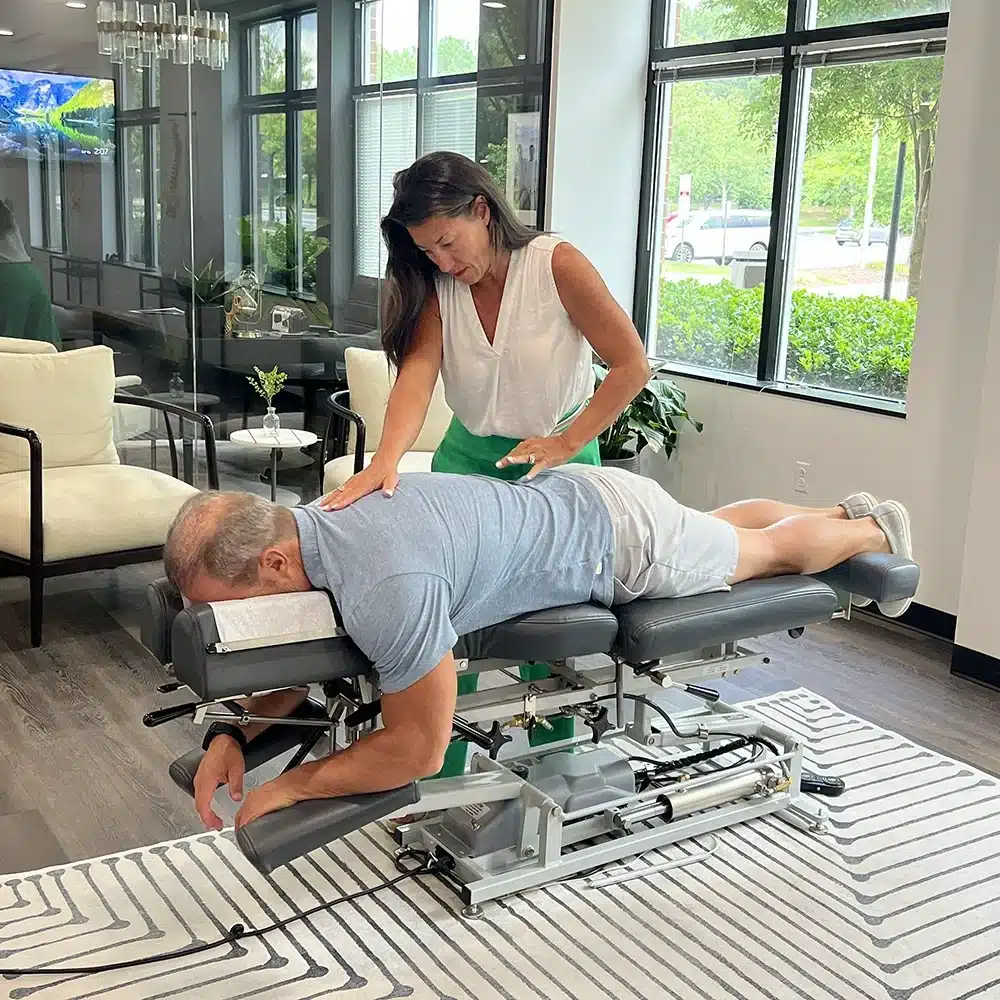
Consider seeing a chiropractor or healthcare professional if your pain keeps returning, limits your movement, or does not improve with basic home care.
A professional can check your movement, posture, spinal alignment, and possible causes of pain.
Early treatment may help prevent the problem from becoming worse.

Simple Daily Habits That Help Protect Your Lower Back
Lower back pain prevention starts with daily habits.
You can support your back by doing small things consistently.
Try to:
- Move more often
- Improve your posture
- Strengthen your core muscles
- Drink enough water
- Prioritize sleep
- Manage stress
- Stretch gently
- Use proper lifting form
- Set up an ergonomic workstation
Daily Back Health Checklist
Ask yourself:
- Did I stretch today?
- Did I sit for more than 1 hour without moving?
- Is my workstation ergonomic?
- Did I drink enough water?
- Did I move my body today?
- Did I sleep in a supportive position?
- Did I carry heavy items evenly?
These small checks can help you notice habits before they become problems.
Frequently Asked Questions About Lower Back Pain
What is the most common cause of lower back pain?
The most common causes include muscle strain, poor posture, weak core muscles, prolonged sitting, and poor movement habits. Sometimes lower back pain may also come from disc issues, arthritis, or nerve irritation.
Can poor posture cause chronic lower back pain?
Yes. Poor posture can place repeated stress on the lumbar spine, hips, and back muscles. Over time, this can lead to stiffness, muscle tension, and chronic lower back pain.
Is walking good for lower back pain?
Yes. Walking is often helpful because it improves blood flow, reduces stiffness, and supports gentle movement. Start with short walks and increase slowly based on comfort.
How should I sleep to avoid lower back pain?
Side sleeping with a pillow between your knees or back sleeping with a pillow under your knees may help reduce lower back pressure. Avoid stomach sleeping if it makes your pain worse.
When should I worry about lower back pain?
You should seek professional care if your pain lasts more than a few weeks, travels down your leg, causes numbness or weakness, gets worse over time, or affects your daily activities.
Final Thoughts
Lower back pain is often linked to daily habits, not just injuries.
The way you sit, sleep, move, eat, and carry weight can either protect your spine or place extra stress on it. The good news is that simple changes can help.
Start small. Move more often. Improve your posture. Strengthen your core. Drink water. Pay attention to early warning signs.
You do not need to do everything perfectly. You just need to build habits that support your back every day.
With consistency, better spinal health is possible.