


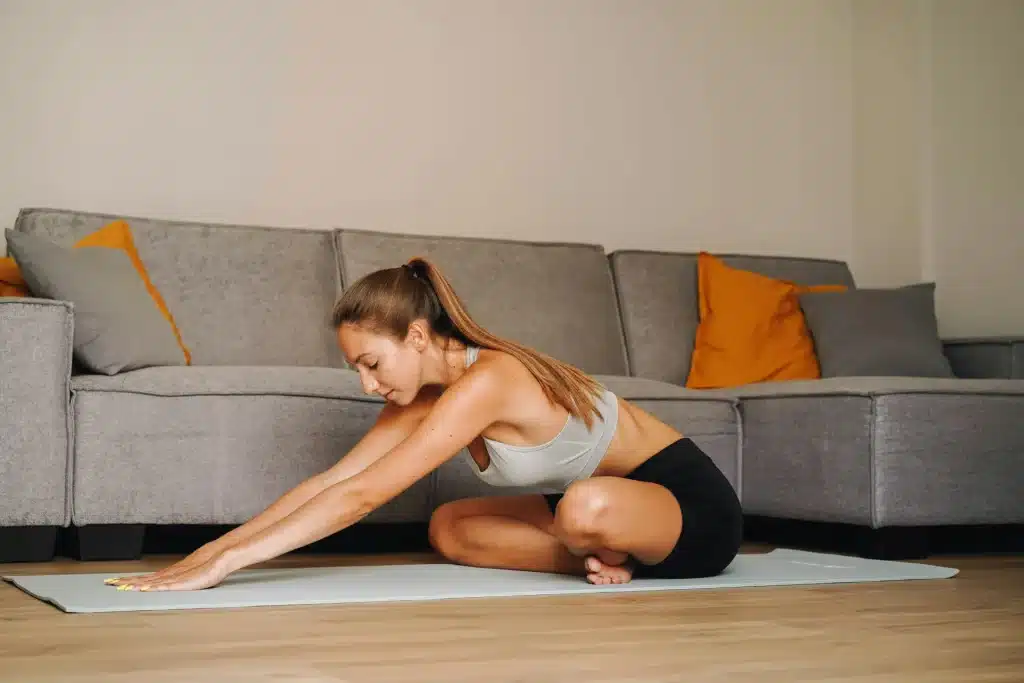
Tight hips and a tight lower back often happen together.
That is because your hips, pelvis, glutes, and lumbar spine all work as one connected system. When one area becomes stiff or weak, another area usually has to compensate.
This is common for people who sit for long hours, work at a desk, drive often, or do not move enough during the day. Over time, prolonged sitting can tighten the hip flexors, limit hip mobility, affect pelvic alignment, and increase stress on the lower back. Harvard Health notes that hip flexor stretches can help relieve tightness, improve flexibility, and improve range of motion in the hips.
From a chiropractic perspective, tight lower back and hip muscles are not just a flexibility issue. They can affect posture, spinal alignment, daily movement, and how much pressure your lower back handles.
The good news is that simple back and hip stretches can help. You do not need a complicated routine. A few gentle stretches done consistently can support lower back pain relief, improve flexibility, and help your body move more freely.
Below are five beginner-friendly stretches for tight hips and lower back stiffness that you can safely do at home.
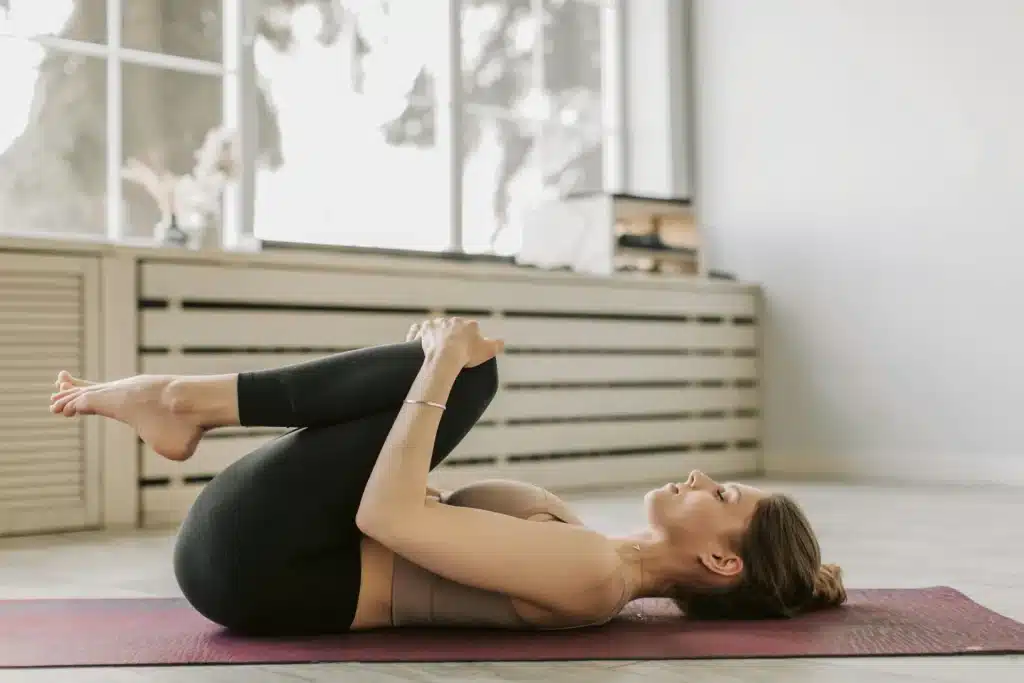
Why Tight Hips and Lower Back Pain Often Happen Together
Your lower back and hips are closely connected.
The hip flexors sit at the front of the hips. The glutes support the back of the hips. The pelvis connects the hips to the lumbar spine. When these areas are not moving well, your lower back may take on extra work.
For example, sitting all day can keep your hip flexors in a shortened position. When this happens often, the hips may become stiff. That stiffness can pull on the pelvis and increase tension in the lower back.
The muscles that support the back include the hip flexors, hamstrings, glutes, and abdominal muscles. Harvard Health explains that these muscles work together to support movement and posture, which is why stretching and strengthening them can help with recurring lower back discomfort.
When your hips lack mobility, your lower back may compensate during walking, bending, lifting, or exercising. This can lead to back stiffness, muscle tension, and poor posture.
Common Signs Your Hips and Lower Back Need Stretching
You may benefit from a mobility routine if you notice:
- Stiffness after sitting
- Pain when standing up
- Reduced hip mobility
- Tightness when walking
- Tightness during exercise
- Poor posture
- Morning lower back discomfort
- Difficulty bending forward
- Tightness in the front of the hips
- Lower back stiffness after driving
These symptoms do not always mean something serious is wrong. But they are signs that your body may need more movement, stretching, and posture correction.
Before You Stretch: Important Safety Tips
Stretching should feel gentle, not painful.
Before starting, warm up for 3 to 5 minutes. You can walk around the room, march in place, or do slow bodyweight movements. Mayo Clinic notes that exercise can help ease back pain and prevent further discomfort when done appropriately.
Follow these safety tips:
- Stretch slowly.
- Do not bounce.
- Breathe during each stretch.
- Stop if pain becomes sharp.
- Stop if pain radiates down your leg.
- Avoid forcing your body into a position.
- Start with shorter holds if you are new to stretching.
Stretching should create mild tension, not intense pain.
When to See a Chiropractor or Healthcare Professional
You should see a chiropractor or healthcare professional if you have:
- Numbness
- Severe pain
- Pain after an injury
- Pain that travels down the leg
- Weakness in the leg or foot
- Persistent stiffness lasting weeks
- Pain that keeps getting worse
- Back pain that affects sleep or daily activity
Light activity and stretching can help recovery, but Mayo Clinic Health System advises listening to your body and avoiding activities that worsen pain.
1. Kneeling Hip Flexor Stretch
The kneeling hip flexor stretch is one of the best hip flexor stretches for people who sit often.
It targets the front of the hip and can help reduce tension that affects pelvic alignment and lower back comfort.
Why This Stretch Works
Tight hip flexors can pull the pelvis forward and increase compression in the lower back.
This stretch helps lengthen the front of the hip. It may also reduce the feeling of tight hips and improve your ability to stand upright with better posture.
How to Do It
- Kneel on one knee.
- Place the opposite foot in front of you.
- Keep your front knee bent at about 90 degrees.
- Gently push your hips forward.
- Keep your chest tall.
- Hold for 30 seconds.
- Switch sides.
You should feel the stretch in the front of the hip on the kneeling side.
Expert Tip
Slightly squeeze the glute on the side you are stretching.
This helps keep your pelvis in a better position and prevents you from arching your lower back too much.
Common Mistakes
Avoid these mistakes:
- Arching the lower back
- Leaning too far forward
- Holding your breath
- Letting the front knee move too far forward
- Forcing the stretch
Keep the movement controlled and pain-free.
2. Child’s Pose Stretch
Child’s Pose is a gentle yoga stretch that helps relax the lower back.
It is often helpful for people who feel lower back stiffness after sitting, standing, or working for long periods.
Why This Stretch Helps the Lower Back
Child’s Pose gently stretches the spine, hips, and lower back muscles.
It may help decompress the lumbar spine and reduce muscle tension from prolonged sitting.
This stretch is also calming because it encourages slow breathing and relaxation.
Step-by-Step Instructions
- Kneel on the floor.
- Sit your hips back toward your heels.
- Extend your arms forward.
- Lower your chest toward the ground.
- Relax your neck and shoulders.
- Hold for 30 to 60 seconds.
Breathe slowly while holding the stretch.
Modification for Beginners
Place a pillow under your hips or chest if the stretch feels too intense.
You can also widen your knees to make more space for your torso.
This makes the stretch more comfortable for beginners or anyone with tight hips.
3. Figure Four Stretch
The Figure Four stretch is a great hip opener.
It targets the glutes and piriformis area, which can become tight from sitting, walking, running, or poor posture.
Benefits of This Stretch
This stretch helps open tight hips and glutes.
It may reduce pressure around the lower back and improve hip rotation. Better hip rotation can make walking, bending, and daily movement feel easier.
The Figure Four stretch is also helpful because it can be done lying down, which gives your lower back more support.
How to Perform the Stretch
- Lie on your back.
- Bend both knees.
- Cross one ankle over the opposite knee.
- Gently pull the supporting leg toward your chest.
- Keep your neck and shoulders relaxed.
- Hold for 30 seconds.
- Switch sides.
You should feel the stretch in the hip and glute of the crossed leg.
Expert Advice
Keep the stretch pain-free.
Do not pull too hard. Do not lift your head or tense your shoulders.
If you feel pinching in the hip or pain down the leg, stop and adjust your position.
4. Cat-Cow Stretch
Cat-Cow is a simple spinal mobility exercise.
It helps your back move through gentle flexion and extension, which can reduce stiffness and improve body awareness.
Why Chiropractors Recommend It
Cat-Cow helps improve spinal mobility.
It encourages healthy movement between the hips, pelvis, and spine. This can be especially helpful if your back feels stiff in the morning or after a long day of sitting.
Because the movement is gentle, many beginners can do it comfortably.
Instructions
- Start on your hands and knees.
- Place your hands under your shoulders.
- Place your knees under your hips.
- Slowly arch your back and lift your chest.
- Then gently round your spine.
- Move slowly between both positions.
- Repeat for 8 to 10 reps.
Do not rush the movement. Keep your breathing steady.
Best Time to Do This Stretch
Cat-Cow can be helpful:
- In the morning
- After long workdays
- Before workouts
- After sitting for hours
- During a short mobility break
It is a simple way to wake up your spine and reduce back stiffness.
5. Pigeon Stretch
The Pigeon stretch is a deeper hip stretch.
It targets the hip rotators and glutes. These muscles can affect hip mobility, posture, and lower back tension.
Why This Stretch Is So Effective
The Pigeon stretch helps open the hips and improve mobility.
When the hip rotators and glutes are tight, the lower back may compensate. Improving hip movement can help reduce stress on the lumbar spine.
This stretch can feel intense, so it is important to do it slowly and avoid forcing the position.
How to Safely Perform It
- Start on your hands and knees.
- Bring one knee forward.
- Place that leg in front of your body.
- Extend the opposite leg behind you.
- Keep your hips as level as possible.
- Lean forward gently.
- Hold for 20 to 30 seconds.
- Switch sides.
You should feel the stretch in the hip and glute, not sharp pain in the knee or lower back.
Beginner Alternative
Try a seated pigeon stretch in a chair.
Sit tall in a chair. Cross one ankle over the opposite knee. Gently lean forward while keeping your back straight.
This version is easier to control and safer for beginners.
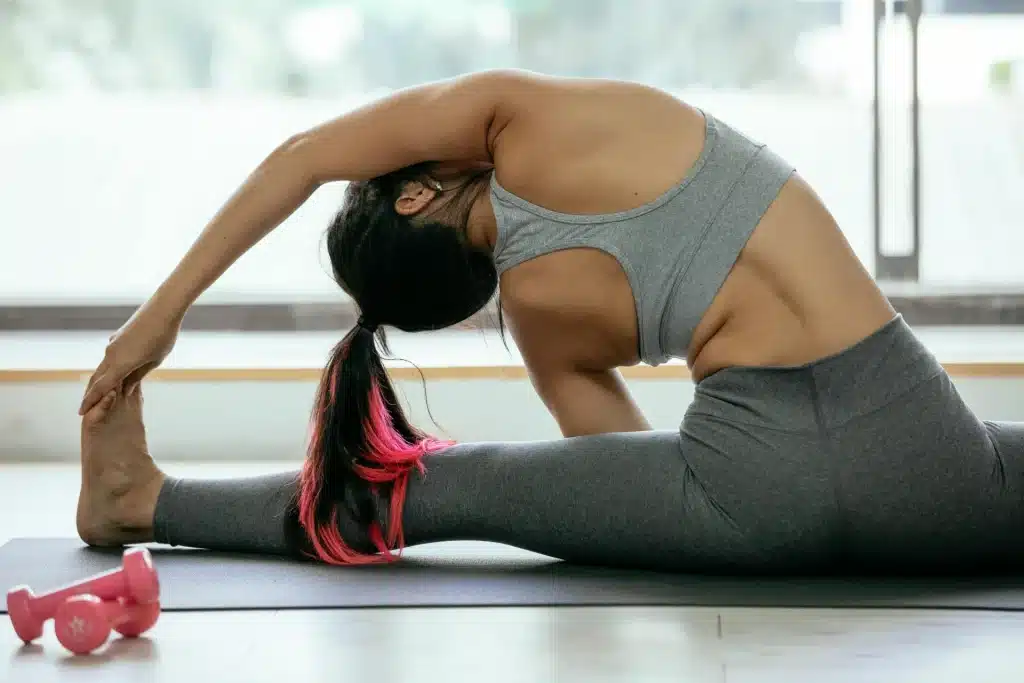
How Often Should You Stretch Tight Hips and Lower Back?
A simple 5 to 10 minute daily routine is enough for many people.
Consistency matters more than intensity. Stretching once for a long time is less helpful than stretching gently every day.
Mayo Clinic notes that continued light activity and stretching can support recovery from back pain, as long as the activity does not worsen symptoms.
Try this simple daily routine:
Morning
- Cat-Cow Stretch
- Child’s Pose
This helps reduce morning lower back stiffness and prepares your spine for the day.
Midday
- Kneeling Hip Flexor Stretch
This is helpful if you sit for work or drive often.
Evening
- Figure Four Stretch
- Pigeon Stretch
These stretches can help loosen the hips and glutes after a long day.
Start with one round of each stretch. If your body responds well, you can slowly add more time.
Additional Tips to Prevent Tight Hips and Lower Back Pain
Stretching helps, but it works best when combined with better daily habits.
Improve Your Sitting Habits
Sitting for long periods can tighten the hips and increase lower back stiffness.
Try to:
- Stand every 30 to 60 minutes
- Use lumbar support
- Keep your feet flat on the floor
- Keep your screen at eye level
- Avoid slouching
- Take short walking breaks
Small posture correction habits can reduce daily stress on your spine.
Strengthen Supporting Muscles
Stretching improves flexibility. Strength helps support your spine.
Focus on strengthening:
- Glutes
- Core muscles
- Hamstrings
- Hip stabilizers
Stronger support muscles can reduce strain on the lower back and improve pelvic alignment.
Stay Active Throughout the Day
Your body is made to move.
Walking, mobility breaks, and light exercise can help keep your hips and lower back from becoming stiff.
Try adding short movement breaks throughout the day instead of waiting until your back feels tight.
Frequently Asked Questions
What causes tight hips and lower back pain?
Tight hips and lower back pain are often caused by prolonged sitting, poor posture, inactivity, weak core muscles, and limited hip mobility. Sitting for long periods can shorten the hip flexors and increase strain on the lumbar spine.
Can stretching relieve lower back stiffness?
Yes, gentle stretching may help relieve lower back stiffness by improving flexibility, reducing muscle tension, and supporting better movement. Stretching works best when paired with light activity and strengthening exercises.
How long does it take to loosen tight hip muscles?
It depends on your body and how consistent you are. Some people feel relief after a few sessions, while others may need several weeks of regular stretching and mobility work.
Are these stretches safe for beginners?
Yes, these stretches are beginner-friendly when done gently. Avoid bouncing, forcing the stretch, or pushing through sharp pain. Stop if symptoms travel down the leg or become worse.
Should I stretch every day?
Daily stretching can be helpful for tight hips and lower back stiffness. A short 5 to 10 minute routine is usually enough to start. Keep the stretches gentle and consistent.
Final Thoughts
Tight hips and lower back pain are often connected.
When your hips are stiff, your lower back may work harder than it should. Over time, this can affect posture, spinal alignment, flexibility, and daily movement.
The good news is that simple stretches can help.
Start with gentle movements like Cat-Cow, Child’s Pose, Kneeling Hip Flexor Stretch, Figure Four Stretch, and Pigeon Stretch. Stay consistent, breathe slowly, and avoid forcing any position.
Small daily habits can lead to better mobility, less stiffness, and a healthier spine.