




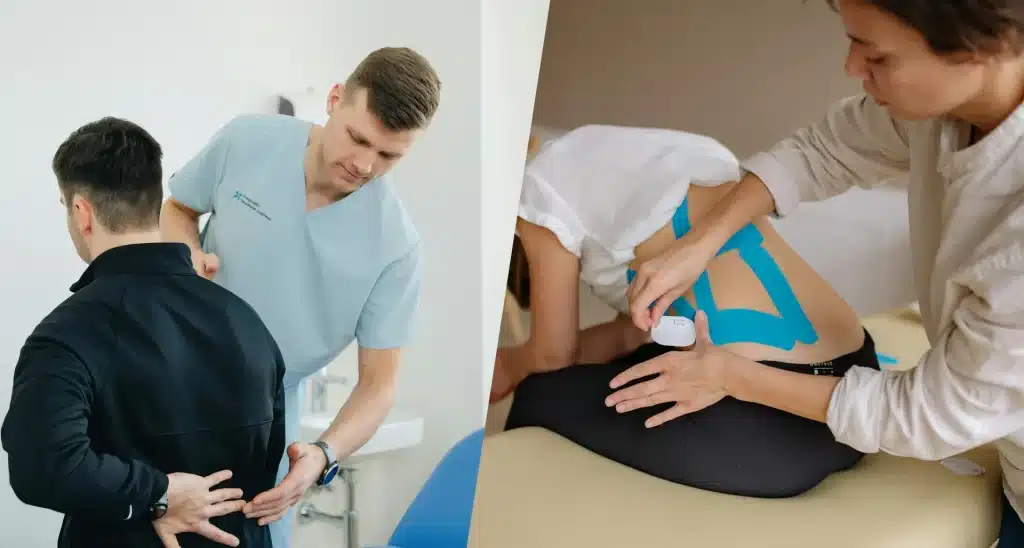
You bend down to tie your shoes and feel pain shoot through your back.
At first, you may think it is just regular lower back pain. But then the pain starts traveling into your hip, buttock, or leg. That is when many people start wondering: “Is this back pain, or is it sciatica?”
Lower back pain and sciatica are often confused because they can start in the same area. Both may involve the lumbar spine, muscle tightness, stiffness, and trouble moving. But they are not always the same problem.
Lower back pain usually stays mostly in the back. Sciatica often travels down the leg because it involves irritation or pressure on the sciatic nerve. The sciatic nerve runs from the lower back through the buttocks and down each leg.
Knowing the difference matters. The right diagnosis can lead to faster pain relief, better treatment, and fewer recurring flare-ups.
This guide explains the key differences between lower back pain and sciatica, common symptoms, causes, treatment options, and when to seek help.
What Is Lower Back Pain?
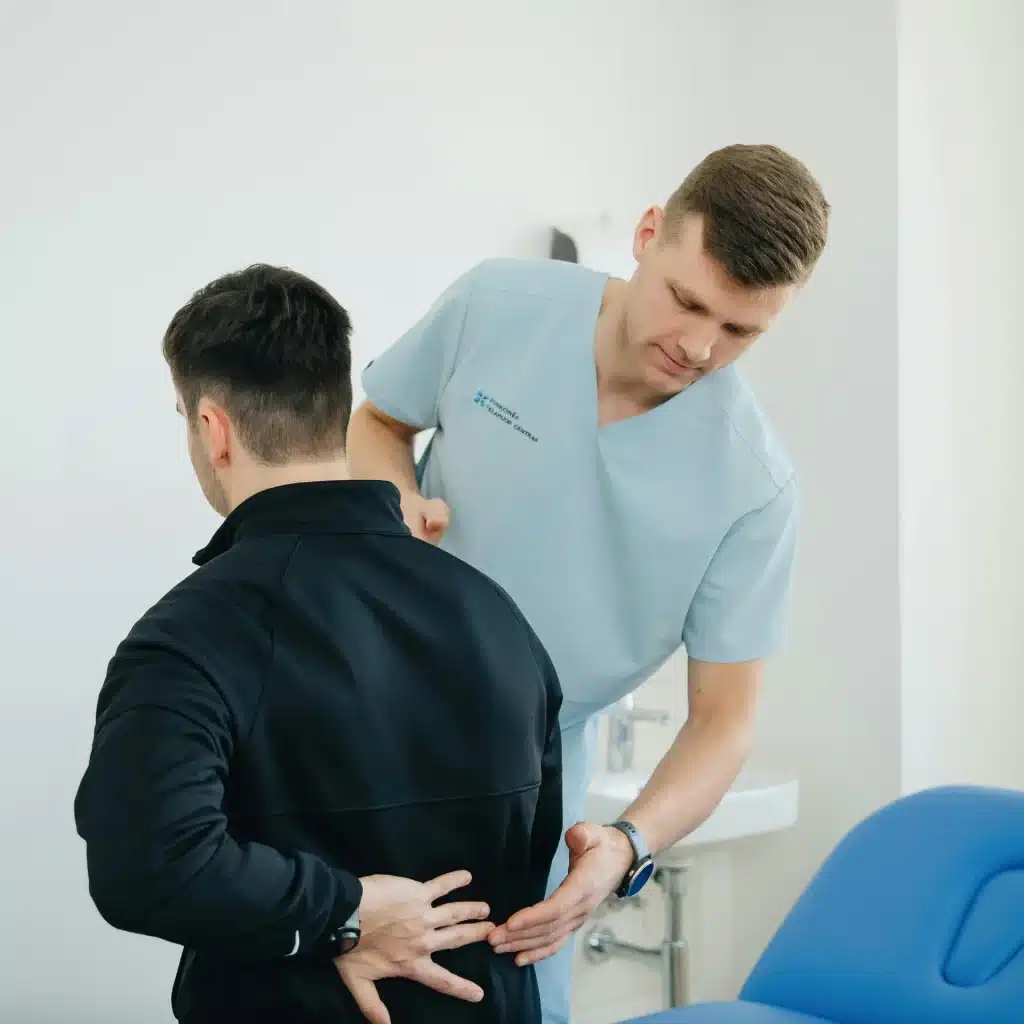
Lower back pain is pain, stiffness, or discomfort in the lower part of the spine. This area is also called the lumbar spine.
It can feel mild and achy, or it can feel sharp and limiting. Some people feel it after lifting something heavy. Others notice it after sitting too long, sleeping in a poor position, or moving the wrong way.
Common Symptoms of Lower Back Pain
Lower back pain symptoms often include:
- Aching or stiffness in the lumbar spine
- Pain that stays mostly in the lower back
- Muscle tightness
- Limited movement
- Pain when standing, lifting, or bending
- Back stiffness after sitting
- Soreness in the lower spine
- Muscle spasms
Lower back pain may also spread into the hips or buttocks. But in many cases, it does not travel far down the leg.
Common Causes of Lower Back Pain
There are many causes of lower back pain. Some are related to muscles. Others involve the spine, joints, discs, or nerves.
Common causes include:
- Poor posture
- Muscle strain in the lower back
- Sitting too long
- Weak core muscles
- Degenerative disc disease
- Arthritis in the spine
- Poor lifting habits
- Tight hips or hamstrings
- Lack of movement
Back pain can also come from conditions like sprains, strains, degenerative disc disease, and pinched nerves.
When Lower Back Pain Becomes Chronic
Lower back pain may become chronic when it lasts longer than 12 weeks.
Chronic back pain can make daily life harder. It may affect your work, sleep, exercise, and mood. You may also start avoiding movement because you are afraid of making the pain worse.
But avoiding movement for too long can sometimes increase stiffness and weakness.
If lower back pain keeps coming back or does not improve, it is a good idea to get evaluated.
What Is Sciatica?
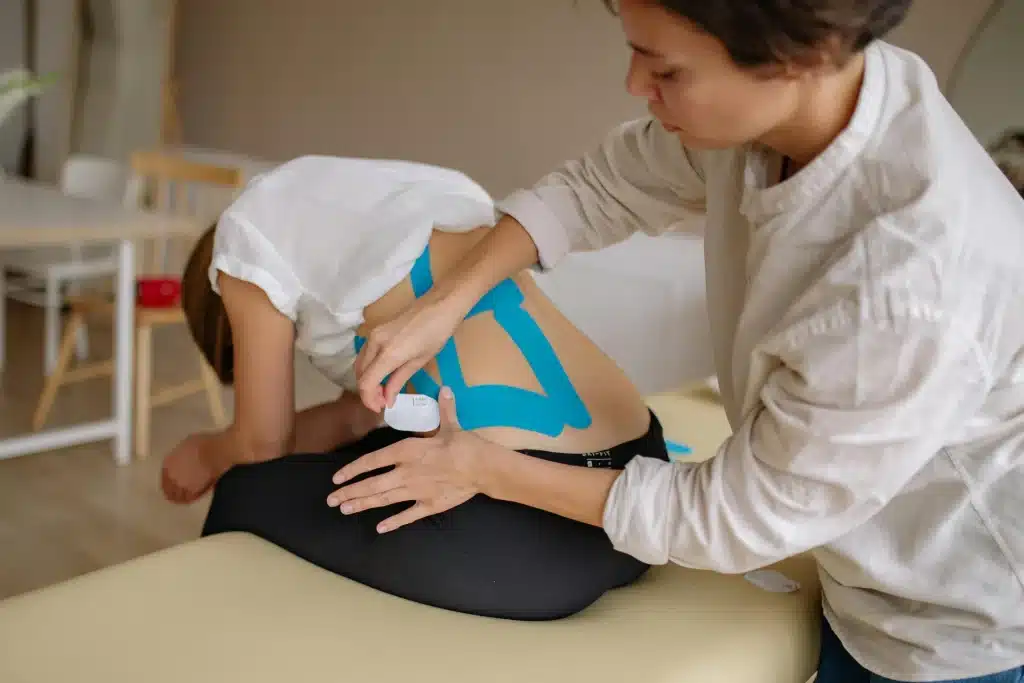
Sciatica is nerve-related pain. It happens when the sciatic nerve, or the nerve roots that form it, become irritated, compressed, or inflamed.
The sciatic nerve starts in the lower back, passes through the buttocks, and travels down each leg. That is why sciatica pain often moves beyond the back and into the hip, buttock, thigh, calf, or foot.
Sciatica Explained in Simple Terms
Think of the sciatic nerve like a large electrical cable.
When something presses on that nerve, pain can travel along its path. This is why sciatica may feel like shooting, burning, tingling, or electric pain down one leg.
Sciatica is not just ordinary muscle soreness. It is often connected to nerve irritation.
Common Symptoms of Sciatica
Sciatica symptoms may include:
- Sharp or burning pain
- Pain shooting down one leg
- Tingling or numbness
- Weakness in the foot or leg
- Pain that gets worse when sitting
- Pain that feels like an electric shock
- Radiating pain from the lower back into the leg
- Nerve pain in the leg
Sciatica pain can also become worse when coughing, sneezing, bending, or sitting for a long time.
Common Causes of Sciatica
Sciatica can happen when something irritates or compresses the nerve.
Common causes include:
- Herniated disc
- Spinal stenosis
- Piriformis syndrome
- Pregnancy-related pressure
- Injury to the lumbar spine
- Degenerative disc disease
- Bone spurs
- Inflammation near the nerve
A herniated disc or bone overgrowth can place pressure on nerve roots in the lumbar spine, which may cause inflammation, pain, and numbness in the leg.

Lower Back Pain vs. Sciatica: The Biggest Differences
Lower back pain and sciatica can overlap, but there are key differences.
The biggest clue is where the pain goes.
Where the Pain Travels
Lower back pain usually stays in the back.
It may spread slightly into the hips or buttocks, but it often remains local.
Sciatica usually travels down the leg. It may start in the lower back or buttock, then move into the thigh, calf, foot, or toes.
If your pain radiates below the knee, sciatica or nerve irritation may be involved.
Type of Pain
Lower back pain often feels like:
- Dull aching
- Tightness
- Muscle soreness
- Stiffness
- Spasms
- Pressure in the lower spine
Sciatica often feels like:
- Sharp pain
- Burning pain
- Electric shock-like pain
- Tingling
- Numbness
- Weakness
- Radiating nerve pain
A simple way to remember it: lower back pain often feels muscular, while sciatica often feels nerve-related.
One Side vs. Both Sides
Sciatica often affects one side of the body.
You may feel pain down your right leg or left leg, but not both. Lower back pain may affect one side, both sides, or the center of the lower back.
If your pain is mostly one-sided and travels down the leg, sciatica is more likely.
Movement Triggers
Lower back pain often gets worse with:
- Lifting
- Bending
- Twisting
- Standing too long
- Poor posture
- Sudden movement
Sciatica often gets worse with:
- Sitting too long
- Coughing
- Sneezing
- Bending forward
- Driving
- Certain hip positions
These patterns are not always exact, but they can help you understand what may be causing your pain.
Could You Have Both Conditions at the Same Time?
Yes, you can have lower back pain and sciatica at the same time.
This is very common because sciatica often begins from a problem in the lower back.
Why Lower Back Pain and Sciatica Often Overlap
A herniated disc can cause local lower back pain while also irritating a nerve that sends pain down the leg.
Muscle inflammation can also affect nearby nerves. Tight muscles in the hips or buttocks may add pressure or irritation.
This means you may feel both muscle pain and nerve pain.
Signs You May Have Both
You may have both lower back pain and sciatica if you notice:
- Lower back pain plus leg numbness
- Pain that travels into the buttock or leg
- Pain that changes throughout the day
- Trouble walking or standing
- Pain that feels achy in the back but sharp in the leg
- Tingling in the foot
- Weakness in the leg
When symptoms overlap, it is best to get a proper assessment instead of guessing.
When Lower Back Pain Is an Emergency
Most back pain is not an emergency. But some symptoms need immediate medical attention.
Red Flag Symptoms You Should Never Ignore
Seek urgent care if you experience:
- Loss of bladder control
- Loss of bowel control
- Severe leg weakness
- Sudden numbness in the groin area
- Fever with back pain
- Severe pain after a fall or injury
- Pain that keeps getting worse
- Unexplained weight loss with back pain
Loss of bladder or bowel control and muscle weakness are serious symptoms that should be checked right away.
When to See a Chiropractor or Doctor
You should consider seeing a chiropractor or healthcare provider if:
- Pain lasts more than a few weeks
- Pain keeps coming back
- Pain affects your work or sleep
- You have recurring flare-ups
- Pain travels down the leg
- You feel numbness, tingling, or weakness
- At-home care is not helping
Early care can help identify the cause and prevent the problem from getting worse.
How Chiropractors Diagnose Lower Back Pain and Sciatica
A chiropractor will usually start with a conversation about your symptoms.
They may ask where the pain started, where it travels, what makes it worse, and what helps it feel better.
Physical Exams and Movement Testing
A chiropractic assessment may include:
- Posture checks
- Range of motion testing
- Reflex testing
- Mobility assessment
- Muscle strength checks
- Spinal alignment evaluation
- Nerve-related movement tests
These tests help determine whether your pain is more likely coming from muscles, joints, discs, or nerves.
Imaging Tests That May Be Needed
Not every case needs imaging. But sometimes, imaging may be helpful.
Possible tests include:
- X-rays
- MRI scans
- Nerve testing
MRI scans may be used when a provider needs to check for disc issues, nerve compression, or other structural causes.
Best Treatments for Lower Back Pain
Treatment depends on the cause of your pain.
For many people, lower back pain improves with conservative care, movement, posture correction, and strengthening.
At-Home Relief Options
At-home lower back pain relief may include:
- Ice therapy during the early stage of pain
- Heat therapy for tight muscles
- Gentle stretching
- Walking
- Better posture
- Avoiding heavy lifting during flare-ups
- Using lumbar support
- Staying active within your comfort level
Too much bed rest may make symptoms worse. For sciatica, Mayo Clinic notes that while resting for a day or so may help, staying inactive can worsen symptoms.
Chiropractic Care for Lower Back Pain
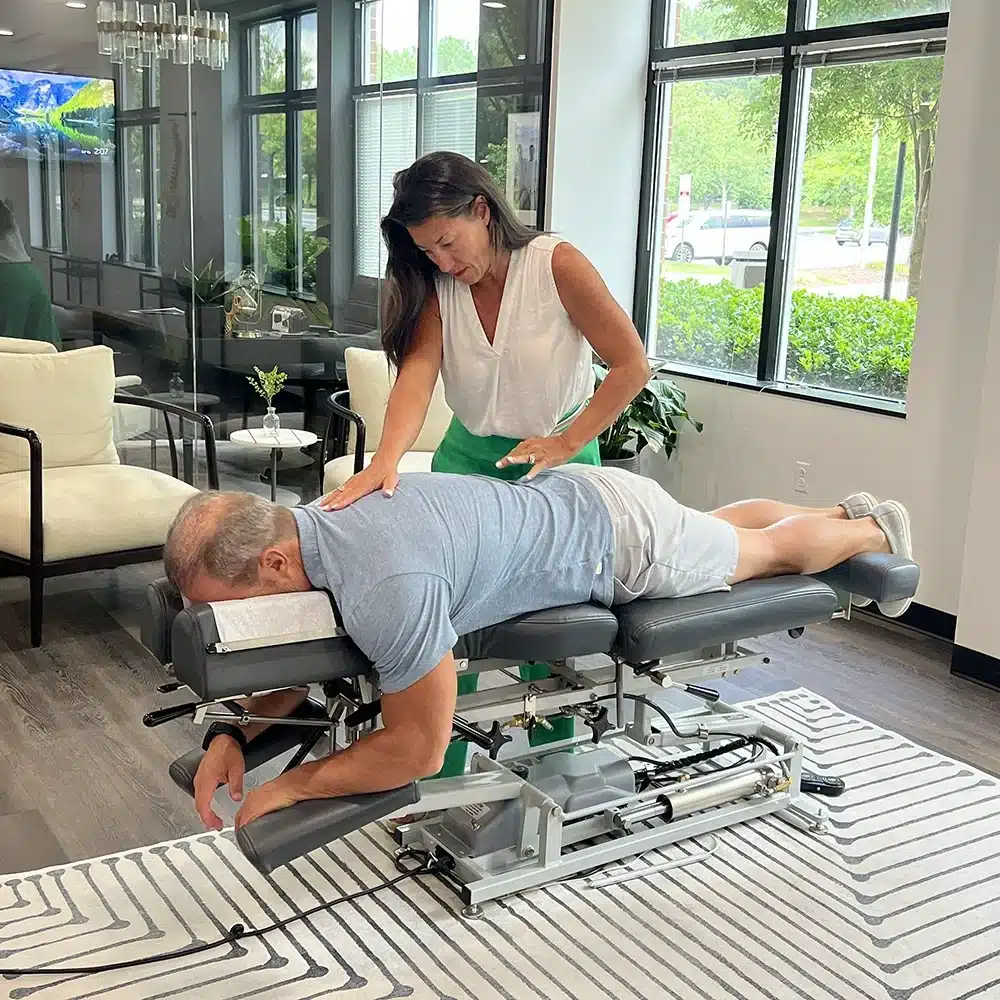
Chiropractic care may help improve spinal movement, reduce joint restriction, and support better mobility.
Care may include:
- Spinal adjustments
- Mobility work
- Soft tissue therapy
- Stretching guidance
- Posture recommendations
- Home exercise plans
The goal is to reduce stress on the spine and help the body move better.
Lifestyle Changes That Prevent Flare-Ups
Long-term relief often requires better daily habits.
Helpful lifestyle changes include:
- Core strengthening
- Ergonomic work setup
- Healthy weight management
- Regular walking
- Better lifting habits
- Stretching tight hips and hamstrings
- Avoiding long periods of sitting
These habits support the lumbar spine and reduce recurring strain.
Best Treatments for Sciatica
Sciatica treatment focuses on reducing pressure or irritation on the sciatic nerve.
Because sciatica is nerve-related, the pain may take time to calm down.
Reducing Pressure on the Sciatic Nerve
Sciatica pain treatment may include:
- Gentle stretching
- Nerve mobilization
- Walking
- Decompression therapy
- Posture changes
- Avoiding long sitting
- Improving hip mobility
- Reducing inflammation
The goal is to create more space and less irritation around the nerve.
Chiropractic Care for Sciatica Relief
Chiropractic care for sciatica may focus on spinal alignment, mobility, and reducing mechanical stress on the lower back.
If a joint or disc-related issue is irritating the nerve, improving movement in the lumbar spine may help reduce pressure.
This is usually done through a non-invasive care approach.
What Makes Sciatica Worse
Sciatica may get worse with:
- Sitting too long
- Heavy lifting
- Poor posture
- Twisting while lifting
- Long drives
- Sudden bending
- Ignoring early symptoms
If certain movements trigger nerve pain, avoid pushing through them.
Simple Stretches That May Help Both Conditions
Gentle stretching may help reduce tightness and improve mobility.
Stop any stretch that causes sharp pain, numbness, or worsening leg symptoms.
Knee-to-Chest Stretch
Lie on your back with your knees bent.
Bring one knee toward your chest and hold for 20 to 30 seconds. Switch sides.
This may help relax the lower back and hips.
Piriformis Stretch
Lie on your back.
Cross one ankle over the opposite thigh. Gently pull the uncrossed leg toward your chest.
Hold for 20 to 30 seconds.
This stretch may help reduce tension in the buttock area, which can sometimes affect sciatic nerve discomfort.
Cat-Cow Stretch
Start on your hands and knees.
Slowly arch your back, then round it. Move gently through each position.
Repeat 8 to 10 times.
This helps improve spinal mobility and reduce stiffness.
Walking for Mobility
Walking is simple, but it can be powerful.
Short walks improve blood flow, reduce stiffness, and keep your body moving without heavy strain.
Start with a few minutes and increase slowly.
How to Prevent Lower Back Pain and Sciatica
Prevention starts with daily habits.
You cannot control every cause of pain, but you can reduce stress on your spine.
Daily Habits That Protect Your Spine
Try to:
- Lift correctly
- Stay active
- Improve posture
- Avoid sitting too long
- Stretch daily
- Keep your hips mobile
- Use lumbar support when needed
- Take walking breaks
- Sleep in a supportive position
Small habits done daily can help reduce flare-ups.
The Importance of Core Strength
Your core supports your lumbar spine.
When your core is weak, your lower back may work harder than it should. This can lead to fatigue, strain, and pain.
Helpful exercises may include:
- Bird dogs
- Dead bugs
- Glute bridges
- Pelvic tilts
- Side planks
Start slowly and focus on control.
Sleep Positions That Reduce Back Stress
Sleep posture matters.
If you sleep on your side, place a pillow between your knees.
If you sleep on your back, place a pillow under your knees.
These positions may help reduce pressure on the lower back and keep the spine more neutral.
Frequently Asked Questions About Lower Back Pain and Sciatica
Can lower back pain turn into sciatica?
Yes. Lower back pain can sometimes lead to sciatica if a disc, joint, or muscle issue irritates the sciatic nerve or nearby nerve roots.
Is walking good for sciatica?
Walking may help some people with sciatica by improving blood flow and reducing stiffness. Start with short, comfortable walks and stop if symptoms worsen.
How do I know if my pain is nerve-related?
Nerve-related pain often feels sharp, burning, electric, or radiating. It may travel down the leg and include numbness, tingling, or weakness.
Can a chiropractor help with sciatica?
A chiropractor may help with sciatica by assessing spinal movement, posture, and possible nerve irritation. Care may include spinal adjustments, mobility work, soft tissue therapy, and exercise guidance.
What sleeping position is best for lower back pain?
Side sleeping with a pillow between the knees or back sleeping with a pillow under the knees may help reduce lower back pressure.
When should I worry about lower back pain?
You should seek care if pain lasts more than a few weeks, travels down your leg, causes numbness or weakness, affects your sleep or work, or comes with bladder or bowel changes.
Final Thoughts: Knowing the Difference Can Speed Up Recovery
Lower back pain and sciatica can feel similar at first, but they are not always the same.
Lower back pain often stays local. Sciatica usually radiates down the leg.
That difference matters because it can change the best treatment approach.
If your pain is mild, simple steps like walking, stretching, posture correction, and core strengthening may help. But if your pain travels down your leg, causes numbness, or keeps returning, it is best to get evaluated.
The sooner you understand what is causing your pain, the sooner you can take the right steps toward relief.